Support

Church of the Divine Savior

About

The Church of the Divine Savior (Iglesia del Divino Salvador) is not just a religious building, but one of the most significant and magnificent churches in Seville, a true gem of Spain. Located in the heart of the city on the bustling Plaza del Salvador, it immediately catches the eye with its majestic appearance and rich history, making it a major tourist attraction.
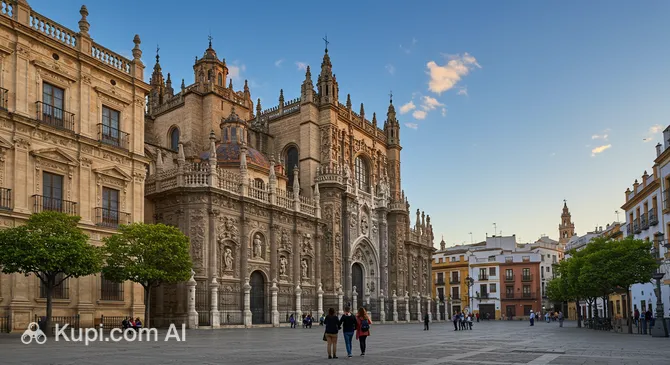
Church of the Divine Savior. Illustration.
Source: Kupi.com AI

Traveler photos:

This church is a striking example of Baroque architecture. Its impressive facade and luxurious interior are breathtaking and make it one of the main architectural jewels of the Andalusian capital. Interestingly, the modern building was erected on the site of the ancient Ibn Addabbas Mosque, which adds another historical layer to its centuries-old heritage.

Today, the Church of the Divine Savior is not only an active house of worship but also an important cultural center in Seville. It attracts both worshippers and numerous tourists seeking to connect with history, enjoy outstanding art, and experience the unique atmosphere of this holy place. A visit to the church will undoubtedly enrich your journey and allow you to gain a deeper understanding of the cultural heritage of this amazing city.

Contacts

To get the most up-to-date information on the opening hours of the Church of the Divine Savior, possible tours, or contact details, we recommend checking the attraction's official website, if available, or contacting the tourist information centers in Seville. Useful information can also often be found on information boards directly at the entrance to the church.

How to contactContact
AddressPl. del Salvador, 3, Casco Antiguo, 41004 Sevilla, Spain
Phone number+34 954 21 16 79
Websiteiglesiadelsalvador.es

What to Do

Once inside the Church of the Divine Savior, visitors are immersed in the atmosphere of Baroque splendor. You will see lavish Baroque altarpieces striking in their detail, intricate wood carvings, and an abundance of gilded decorations that create a sense of solemnity. Special attention should be paid to the painted vaults and, of course, the main altarpiece—a true work of art adorned with exquisite sculptures and numerous works by famous masters of the 17th and 18th centuries. Every detail of the interior tells its own story and testifies to the high skill of its creators.

In addition to contemplating architectural and artistic masterpieces, at the Church of the Divine Savior, you can get better acquainted with its history and spiritual life. Visitors have the opportunity to participate in services if they wish to experience the religious aspect of the site. For those who want to learn more about the temple's architecture and history, self-guided tours or informative excursions are available. This is a wonderful opportunity to leisurely explore every corner of the church and appreciate its cultural significance.

The Church of the Divine Savior often serves as a starting point for further exploration of Seville's historic center. After viewing its treasures, you can spend some pleasant time in the adjacent square, which is always full of life. Numerous cafes and bars are located here, offering a place to relax and share impressions of what you've seen while enjoying the atmosphere of one of the city's liveliest corners.

Getting There

The Church of the Divine Savior is conveniently located in the heart of Seville's historic center, on Plaza del Salvador. This makes it easily accessible for walking, especially if you are already exploring other city landmarks. For example, from the famous Seville Cathedral, the church is just a 5–7 minute leisurely stroll away.

If you prefer using public transport, getting to the temple is also straightforward. The nearest stop on the T1 tram line is Plaza Nueva. Additionally, many bus routes pass through the central part of the city, with stops within walking distance of Plaza del Salvador. This is a convenient way to reach the church from various districts of Seville.

For travelers arriving by car, it is worth noting that the streets in Seville's historic center are quite narrow, and parking can be challenging. Although there are paid parking lots near the church, many tourists find it more convenient to leave their car in a parking lot further from the center or use public transport or a taxi to avoid the difficulties of finding a spot and maneuvering through ancient streets.

Nearest city: Seville

History & Facts

The history of the Church of the Divine Savior dates back centuries, and its foundation preserves memories of various cultures that once flourished in Seville. Remarkably, the current magnificent building was erected on the site of the Ibn Addabbas Mosque, which was built back in the 9th century. This fact highlights the layered history of the city and how sacred sites were passed from one era to another, changing their appearance but retaining their spiritual significance.

After the Christian conquest of Seville in the 13th century, the former mosque was not immediately demolished but underwent a transformation into a Christian temple. The site officially received the status of the Collegiate Church of the Savior in 1340. However, over time, the old building fell into disrepair, and in the 17th century, the decision was made to demolish it to make room for a new, more majestic temple worthy of the parish's growing importance.

Construction of the modern church we see today began in 1674. The original design belonged to the architect Esteban García. Work on this ambitious project continued for several decades and was completed by another outstanding master, Leonardo de Figueroa, under whose leadership the church was finally finished in 1712. It is thanks to these architects that the temple acquired its characteristic features of lush Sevillian Baroque.

Throughout its long history, the Church of the Divine Savior has undergone numerous restorations aimed at preserving its unique appearance and structure. One of the most extensive and significant restorations was completed relatively recently, in 2008. These comprehensive works made it possible to return the temple to its original splendor, restore lost details, and ensure its preservation for future generations, allowing us today to admire this historical and architectural masterpiece.

Time Needed

When planning a visit to the Church of the Divine Savior in Seville, you should consider how much time you are willing to dedicate to this magnificent place. For a quick look at the main interior features, an introduction to the temple's general history, and taking a few memorable photos, 30 to 60 minutes is usually enough. This time is sufficient to appreciate the scale of the Baroque architecture and the main altarpieces.

If your plans are more extensive and you would like to do more than just tour the church—for example, attend a service to experience the spiritual atmosphere more deeply, or simply enjoy being in the lively Plaza del Salvador by the church walls—then it is worth setting aside a bit more time. In this case, your visit may last up to an hour and a half or even a bit longer, depending on your interests and desire for a leisurely immersion into the atmosphere of this iconic Seville landmark.

Working Hours

The Church of the Divine Savior in Seville is generally open to visitors, but exact opening hours can vary depending on the season, the day of the week, and the holding of religious services and events. Usually, such significant temples are available for visits during the day but may be closed to tourists during Mass or other church rites. To get the most current information about visiting hours and possible changes to the schedule, it is highly recommended to check the church's official website (if available), Seville's tourist portals, or contact local tourist information centers directly before your visit.

While advance booking is usually not required for a simple tour of the church, it may be necessary during peak tourist seasons or for visiting certain parts of the temple (for example, if special exhibitions or tours are being held). Clarifying this issue in advance will help you plan your visit without any hassle. Generally, the Church of the Divine Savior is open year-round, but it is always best to double-check the information, especially if your trip coincides with major religious holidays.

Nearby

A visit to the Church of the Divine Savior is undoubtedly a highlight of your journey through Seville. However, to make your experience even more enriching and complete, it is worth paying attention to the attractions located in the immediate vicinity. Exploring the surrounding area will allow you to dive deeper into the atmosphere of this amazing city in Spain and discover new interesting places.

Often, it is the short walks from the main site that lead to unexpected discoveries and help you better understand the character and history of the area. Near the Church of the Divine Savior, a whole range of fascinating locations awaits you, each worthy of your attention. Below is a list of some of them, along with their distances.

NameDistance
Flamenco Dance Museum0.2 km
Casa de la Memoria Flamenco Cultural Center0.3 km
Filo0.3 km
Metropol Parasol0.4 km
Casa de Pilatos0.5 km
General Archive of the Indies0.6 km
Bar Postiguillo Tapas0.6 km

Have you reached the end of the page?

So the route has been studied inside and out