Support

Maria Luisa Park

About

Maria Luisa Park (Parque de María Luisa) is the main and perhaps most famous public park in Seville, located in the heart of the city along the banks of the Guadalquivir River. This magnificent green oasis, spanning about 34 hectares, was once part of the gardens of the San Telmo Palace. Today, it serves as a favorite spot for both locals and tourists, providing an ideal refuge from the southern sun where one can enjoy coolness and quiet.
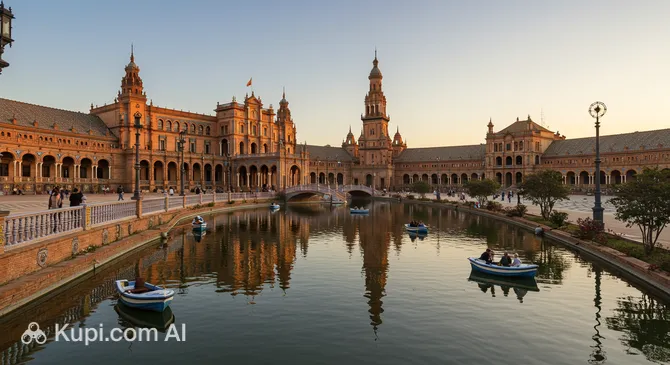
Maria Luisa Park. Illustration.
Source: Kupi.com AI

Traveler photos:

The park's architectural and landscape design is a unique blend of Renaissance and Moorish motifs. This is evident in everything from the elegant pavilions and fountains decorated with traditional Andalusian tiles to the numerous sculptures and cozy gazebos. Walking through its shaded alleys, you will constantly discover new picturesque corners created for contemplation and tranquility.

Maria Luisa Park is not just a green zone but a true open-air botanical garden. It is home to many species of trees, shrubs, and flowers, many of which are carefully marked with information plaques. A special atmosphere is created by thematic squares and alleys dedicated to prominent figures of Spanish culture, making a walk through the park not only pleasant but also educational. It is a place where nature, art, and the history of Spain merge harmoniously.

Contacts

Maria Luisa Park is a public space open to everyone, and admission is free. It is located at Paseo de las Delicias, s/n, 41013, Seville. You can reach the park by public transport: several bus routes, the metro to the Prado de San Sebastián station, or the tram to the Puerta de Jerez stop. It is recommended to check the current opening hours on the official Seville tourism website, as they may vary depending on the season.

How to contactContact
AddressP.º de las Delicias, s/n, 41013 Sevilla, Spain
Phone number+34 955 47 32 32
Websitewww.sevilla.org

What to Do

In Maria Luisa Park, every visitor will find something to their liking. It is an ideal place for leisurely walks along shaded paths, where you can admire numerous fountains and sculptures or relax on cozy benches. The crown jewel of the park is undoubtedly the famous Plaza de España (Plaza de España)—a monumental architectural ensemble built for the Ibero-American Exposition of 1929. Here you can spend hours examining the ceramic tile panels dedicated to the provinces of Spain or rent a boat and take a ride along the picturesque canal surrounding the square.

In addition to architectural masterpieces, the park offers cultural leisure. Two major museums are located on its grounds: the Archaeological Museum of Seville and the Museum of Arts and Traditions, housed in former exhibition pavilions. For nature lovers and families with children, meeting the local residents—peacocks and ducks by the ponds—will be a real treat. To see the park from above, be sure to climb Monte Gurugú hill, where an artificial waterfall and a viewing platform with a magnificent view await you.

Getting There

Maria Luisa Park is conveniently located in the central part of Seville, making it easily accessible for tourists. If you are staying in the historic center, one of the best ways to reach the park is a leisurely stroll. The walk itself will be a pleasant adventure, as the park is located near the banks of the Guadalquivir River and blends harmoniously into the city landscape.

For those who prefer public transport, there are several convenient options. Numerous bus routes pass near the park, connecting it with different parts of the city. Additionally, a tram stop is located very close by, near the famous Plaza de España, making this type of transport another great way to reach your destination.

If you are traveling by car, please note that there are paid parking lots in the vicinity of the park. For fans of active recreation and cycling, there are special bike paths leading directly to the park, allowing you to combine your visit with a pleasant ride through the city.

Nearest city: Seville

History & Facts

The history of Maria Luisa Park is inextricably linked with a generous gift from the Spanish royal family. In 1893, Infanta Maria Luisa Fernanda of Spain, Duchess of Montpensier, donated a significant part of the gardens of her San Telmo Palace to the city of Seville. This gesture laid the foundation for the city's main park, which was named in her honor, forever etching her name into the city's history.

The transformation of private gardens into a public space began in 1911 under the guidance of the prominent French landscape architect Jean-Claude Nicolas Forestier. Together with Sevillian architect Aníbal González, he created a unique landscape where elements of Moorish style, Gothic, and Renaissance intertwined harmoniously. Their joint work gave the park a romantic atmosphere with shaded alleys, ponds, fountains decorated with traditional tiles, and elegant gazebos.

The park opened to the public in 1914, but its most significant transformation was linked to the preparations for the Ibero-American Exposition of 1929. It became the central venue for this grand event, and it was then that monumental structures became symbols of Seville—the famous Plaza de España and the Plaza de América—were erected. These architectural ensembles were originally built as pavilions for the countries participating in the exhibition.

After the exhibition ended, the magnificent pavilions were not abandoned but found new life. Many were converted into museums: for example, the former Pavilion of Fine Arts became the Archaeological Museum, and the Mudejar-style pavilion became the Museum of Arts and Traditions. Thanks to this, Maria Luisa Park became not only a favorite place for walking and relaxation but also an important cultural center for the city.

Time Needed

When planning a visit to Maria Luisa Park, you should budget your time depending on your interests. For a complete but relatively quick introduction to the park, including a walk along the main alleys and a look at the famous Plaza de España, it is recommended to set aside at least 2–3 hours. This is enough time to feel the atmosphere of this green oasis, see the main fountains and monuments, and take beautiful photos.

If you want to enjoy the park without rushing, have a small picnic on the grass, or explore all its corners in detail, it is better to plan for half a day. This will allow for a leisurely stroll and a visit to the museums located within the park—the Archaeological Museum and the Museum of Arts and Traditions. Such an extended visit will give you the opportunity to truly immerse yourself in the calm and peaceful atmosphere of this magical place in the heart of Seville.

Working Hours

Maria Luisa Park delights visitors with its accessibility, as it is open daily and, importantly, entry is completely free. Generally, the park welcomes guests from early morning until late evening. In summer, for example, opening hours are usually set from 8:00 AM to 10:00 PM.

However, it is worth noting that the exact schedule of Maria Luisa Park may vary depending on the time of year and ongoing events. Therefore, to make your visit as comfortable as possible, it is strongly recommended to check the current opening hours on the eve of your visit on the official park website or at local tourist information centers in Seville. Advance ticket booking or registration to visit the park itself is usually not required, as it is a public space.

8:00 – 12:00

Nearby

Visiting Maria Luisa Park is a wonderful adventure in its own right, but exploring its surroundings can significantly enrich your experience. A walk through nearby attractions will allow you to dive deeper into the history and culture of Seville, turning a simple park visit into a full exploration of one of the city's most beautiful districts.

The area around the park is filled with iconic landmarks, many of which are within walking distance. This makes the park an ideal starting point for further exploring the treasures of the Andalusian capital. Below is a list of interesting sites located very close by.

NameDistance
Plaza de España0.3 km
Seville Aquarium0.5 km
Royal Alcázar of Seville1 km
Puerta de Jerez1.1 km
Tower of Gold1.2 km
General Archive of the Indies1.3 km
Bar Postiguillo Tapas1.4 km

Have you reached the end of the page?

So the route has been studied inside and out