Support

Luxor Museum

About

The Luxor Museum is a true treasure trove for anyone interested in ancient history. Located in the city of Luxor, on the east bank of the majestic Nile in Egypt, this archaeological museum specializes in the art of Ancient Egypt and the early Christian period. Its exhibition offers a unique opportunity to connect with a heritage spanning millennia.
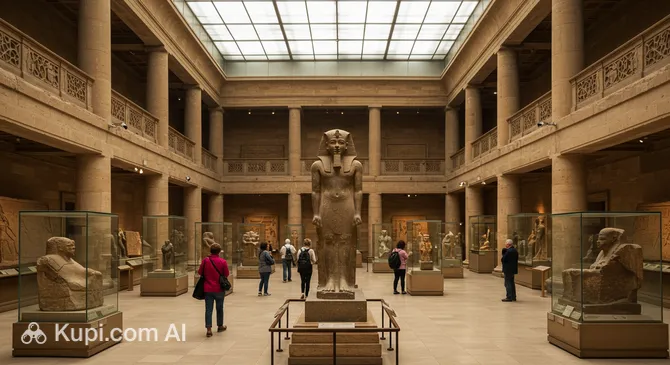
Luxor Museum. Illustration.
Source: Kupi.com AI

Traveller photos:

The museum's collection covers an impressive time span—over four thousand years, starting from the prehistoric era and ending with the Islamic period. A special feature of the Luxor Museum is its location: it is situated very close to the original sites of many exhibits—the famous Luxor and Karnak temples. This allows visitors not just to see the artifacts, but to better understand their historical context and significance.

The museum building itself, designed by architect Mahmoud el-Hakim, is an elegant two-story structure. In addition to the rich indoor exhibition, the museum features a charming garden where part of the collection can be seen in the open air. It is a wonderful place to dive deeper into the history and culture of the region while enjoying a peaceful atmosphere.

Contacts

For the most up-to-date information on the Luxor Museum, including visiting hours, entrance fees, and current exhibitions, we recommend consulting official sources. Contact details and the museum's address are provided below:

How to contactContact
AddressKornish Al Nile, Luxor City, Luxor, Luxor Governorate 1362503, Egypt
Websiteэкскурсии-в-египте.рф

What to Do

In the Luxor Museum, visitors embark on a fascinating journey through the history of Ancient Egypt. The main activity here is, of course, exploring the vast collection of artifacts, which includes majestic statues of pharaohs and deities, delicate sculptures, everyday objects, jewelry, and works of art. Each exhibit is carefully selected and accompanied by information that allows for a deeper understanding of its meaning and context, immersing you in the atmosphere of a long-gone era.

Among the outstanding exhibits that are a must-see is the famous block statue of Yamunedjeh. This courtier of Pharaoh Thutmose III was not only a talented architect but also a skilled diplomat of his time, and his depiction provides insight into the high-ranking personalities of that era. Studying such artifacts allows visitors to form a more complete picture of the culture, religion, and social structure of Ancient Egypt.

For those wishing to capture their impressions, the Luxor Museum provides the opportunity for photography; however, this requires the purchase of a separate ticket. It is important to remember that photography is allowed without flash, additional lighting, or tripods to ensure the preservation of the priceless exhibits. It is also worth noting that the museum is constantly evolving: work has been ongoing since March 2004 to create an extension with a large exhibition hall, promising even more interesting discoveries for visitors in the future.

Getting There

Getting to the Luxor Museum is quite simple, as it is conveniently located in the heart of Luxor, on the Nile Corniche (Corniche el-Nil). This makes it easily accessible from most hotels and other tourist spots in the city.

One of the most common ways to reach the museum is by taxi. Taxis in Luxor are relatively inexpensive, and you can easily find one in any part of the city. The ride from central hotels or the train station takes just a few minutes. It is recommended to agree on the fare with the driver in advance or ensure the meter is running.

For a more budget-friendly option, consider local public transport, such as shuttle taxis (microbuses) or city buses, if they run along the route passing the museum. This method may require some knowledge of local routes or assistance from residents, but it will help save on transportation costs.

If you are staying nearby or exploring other attractions on the waterfront, the Luxor Museum can also be reached on foot. A stroll along the Nile can be a pleasant experience in itself, especially during the cooler parts of the day. The museum is within walking distance of the Luxor Temple, allowing you to combine visits to both.

Nearest city: Luxor

History & Facts

The history of the Luxor Museum dates back to 1962, when the Ministry of Culture of Egypt launched an important initiative. The idea was to create a museum space where archaeological treasures discovered nearby—in the famous Luxor and Karnak temple complexes—could be properly presented. This allowed visitors to experience ancient masterpieces in close proximity to their historical context.

The realization of this idea began with the architectural design. In 1973, the renowned Egyptian architect Mahmoud el-Hakim, whose name is associated with the museum's elegant two-story structure, presented his project. After the completion of construction and preparatory work, the Luxor Museum officially opened its doors to the public in 1975. This event was a significant milestone in preserving and promoting the rich cultural heritage of Ancient Egypt, attracting researchers and tourists from around the world.

The creation of the museum's unique collection was the result of fruitful collaboration. Specialists from the Department of Egyptian and Classical Art at the Brooklyn Museum were actively involved in the process. For several years, they worked side-by-side with Egyptian colleagues, carefully selecting the most valuable and representative monuments. Exhibits for the new museum came from various storehouses and the collection of the famous Cairo Museum. Thanks to these joint efforts, an exhibition was created that fully and vividly reflects the grandeur and diversity of ancient Egyptian civilization.

Time Needed

When planning a visit to the Luxor Museum, you should set aside at least 2-3 hours for the tour. This is generally enough time to get acquainted with the main exhibition, examine key artifacts at a leisurely pace, and get a general overview of the rich collection. The museum is not as massive as, for example, the Cairo Museum, which allows for a more concentrated immersion into the history of Thebes.

However, if you are a great fan of ancient Egyptian history and art or wish to study each exhibit in detail, read all the descriptions, and perhaps visit temporary exhibitions (if any are being held), a visit to the Luxor Museum could easily take half a day (about 4-5 hours). You should also account for time to view the exhibits in the museum garden and perhaps for a short break.

In general, the optimal time depends on your personal interest and pace. We recommend checking the museum layout in advance to plan a route through the halls and exhibits that interest you most. This will help you make the most efficient use of the time allocated for visiting this gem of Luxor.

Working Hours

The Luxor Museum is generally open to visitors year-round, but exact opening hours may vary depending on the season (e.g., summer and winter schedules) and may change due to holidays or special events. Typically, museums in Egypt operate from morning until evening, but for the most current information on Luxor Museum hours, it is highly recommended to check the official website of the Egyptian Ministry of Tourism and Antiquities or verify the information locally, for example, at your hotel or with tour guides in Luxor.

Regarding ticket booking, advance reservations are usually not required for individual visitors; tickets can be purchased at the museum's box office immediately before entry. However, if you plan to visit the museum as part of a large tour group or during the peak tourist season, checking this matter with your tour operator or on official resources is a good idea. In any case, it is better to arrive early to avoid long queues and enjoy the exhibition in peace.

9:00 – 14:00, 5:00 – 20:00

Nearby

A visit to the Luxor Museum is undoubtedly a highlight for any traveler interested in the history of Ancient Egypt. However, to make your discovery of Luxor even more complete and rewarding, it is worth exploring the attractions located in the immediate vicinity. Studying the surroundings will allow you to dive deeper into the atmosphere of this amazing city and see even more historical and cultural treasures.

There are several interesting sites near the Luxor Museum that deserve your attention. They will expand your understanding of Luxor's rich heritage and complement the impressions from visiting the museum itself.

NameDistance
Mummification Museum0.8 km
Luxor Temple0.9 km
Abu Haggag Mosque1 km
Luxor Temple1.1 km
Temple of Mut1.2 km
Thebes Restaurant1.3 km
Karnak Temple1.8 km

Reached the bottom of the page?

Looks like you know this route inside out