Support

Valley of the Queens

About

The Valley of the Queens is a significant archaeological site located on the west bank of the Nile, near Luxor in Egypt. This place, known in Arabic as Wadi el-Malikat ("Valley of the Queens"), served as a necropolis for the wives of pharaohs, their children, and some high-ranking courtiers during the New Kingdom era. Unlike the more famous Valley of the Kings, it was primarily the final resting place for female members of the royal family and their descendants.
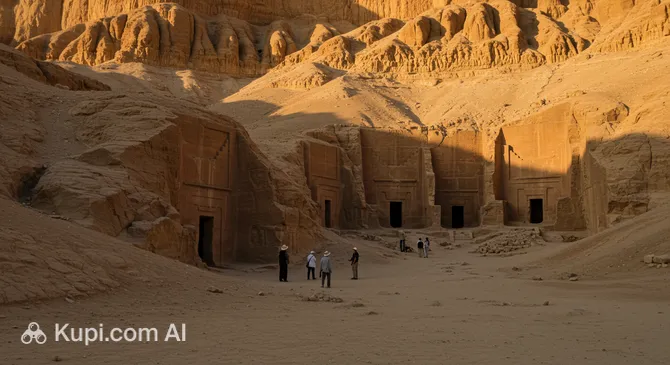
Valley of the Queens. Illustration.
Source: Kupi.com AI

Traveller photos:

More than 90 tombs have been discovered in the Valley of the Queens, many of which are striking for their vivid and well-preserved wall paintings and reliefs. These images are not only of immense artistic value but also serve as an important source of information about religious beliefs, funerary rituals, and the daily life of ancient Egyptians. Each tomb is unique, yet all reflect the desire to ensure the deceased a prosperous existence in the afterlife.

Of particular note is the tomb of Nefertari, the beloved wife of Pharaoh Ramses II. It is considered one of the most magnificent and exquisitely decorated tombs not only in the Valley of the Queens but in all of Egypt. Its walls are covered with detailed color paintings depicting the queen accompanied by gods and scenes from the "Book of the Dead." Visiting the Valley of the Queens is a unique opportunity to experience the greatness of ancient Egyptian civilization and see masterpieces of funerary art.

Contacts

The Valley of the Queens does not have a single official website or direct contact information for tourists. To get the most up-to-date information on opening hours, ticket prices, and visiting conditions, we recommend contacting tourist information centers in Luxor, licensed guides, or checking details with your hotel.

You can also contact the Egyptian Ministry of Tourism or local travel agencies for additional information to help plan your visit.

How to contactContact
AddressPHHV+368, Luxor, Luxor Governorate 1340410, Egypt

What to Do

The Valley of the Queens, located near Luxor, offers visitors a unique opportunity to touch the greatness of Ancient Egypt and learn more about the lives and beliefs of the royal wives and children of pharaohs. The main activity here is exploring the tombs, many of which are striking for their preservation and the beauty of their wall paintings. Tourists can enter several burial chambers to see firsthand the vibrant frescoes depicting deities, scenes from the afterlife, and ritual ceremonies intended to ensure eternal life for the deceased.

The tomb of Queen Nefertari (QV66) attracts special attention, being considered one of the most beautiful and well-preserved in Egypt. Its walls are covered with exquisite drawings that convey the smallest details of clothing, jewelry, and religious symbols. In addition to Nefertari's tomb, the burial chambers of other queens and princes are open to visitors, each with its own unique features and stories to tell. A walk through the valley allows you not only to see ancient burials but also to enjoy the impressive desert landscapes and rocky cliffs surrounding this historical site.

For those interested in history and archaeology, the Valley of the Queens provides a chance to learn about ancient monument conservation methods and perhaps even observe researchers at work if any are active during the visit. This place literally breathes history, and every stone here holds secrets from thousands of years ago. For a comfortable visit, it is recommended to bring water, a hat for sun protection, and to wear comfortable shoes, as exploring the tombs and walking the grounds involves traveling on foot, including over uneven terrain.

Getting There

The Valley of the Queens is located on the west bank of the Nile, about 2–3 kilometers south of the famous Valley of the Kings and approximately 10 kilometers from the center of Luxor. There are several convenient ways to reach this unique historical site, depending on your preferences and budget.

One of the most popular options is by taxi or rental car. The drive from Luxor to the Valley of the Queens takes about 30–40 minutes. Most taxi drivers know the route well and can offer to wait for you at the entrance while you explore the tombs. This is a convenient method if you value comfort and independence in your travels.

Another common way is to join an excursion bus. Many travel companies in Luxor offer comprehensive tours that include visits not only to the Valley of the Queens but also to the Valley of the Kings and other significant landmarks on the west bank of the Nile. This is an excellent choice for those who want to get the most information from a guide and not worry about logistics.

For a more authentic experience, you can use a combination of ferry and taxi. First, you will need to take a ferry across the Nile from the east bank (where the center of Luxor is located) to the west bank. After crossing, you can hire a taxi or use local microbuses to take you directly to the Valley of the Queens. Before your trip, it is always helpful to check the current route and estimated fare with local guides or at your hotel.

Nearest city: Luxor

History & Facts

The Valley of the Queens, situated on the west bank of the Nile across from modern-day Luxor (ancient Thebes), served as the burial site for the wives and children of pharaohs, as well as some high-ranking nobles during the New Kingdom period, from approximately the 16th to the 11th centuries BC. Although it is called the Valley of the Queens, it was not only the pharaohs' consorts who were buried here, but also their numerous offspring, creating an extensive necropolis for royal families. The peak of tomb construction occurred during the 19th and 20th dynasties, when Thebes was the magnificent capital of Egypt.

Undoubtedly, the most famous and impressive tomb in the Valley of the Queens is QV66, which belonged to Queen Nefertari, the beloved wife of the great Pharaoh Ramses II. Discovered in 1904 by the Italian archaeologist Ernesto Schiaparelli, this tomb is breathtaking due to its exceptionally well-preserved wall paintings. The vivid and detailed depictions on the walls narrate Nefertari's journey into the afterlife accompanied by ancient Egyptian gods, showcasing the supreme skill of ancient artists.

In addition to Nefertari's tomb, the Valley of the Queens contains the graves of other important figures, including several sons of Pharaoh Ramses III, such as Princes Amenherkhepshef and Khaemwaset. This sacred necropolis is an integral part of the vast Theban Necropolis, which was included in the UNESCO World Heritage list in 1979 due to its exceptional historical and cultural value. This recognition highlights the global significance of this unique archaeological site.

To this day, the Valley of the Queens continues to amaze and attract researchers, archaeologists, and tourists from all over the world. Ongoing excavations and studies reveal new pages of Ancient Egyptian history, allowing for a deeper understanding of the culture, beliefs, and funerary rituals of one of the greatest civilizations of the past. A visit to the Valley of the Queens is an opportunity to touch eternity and see with your own eyes the splendor created millennia ago.

Time Needed

When planning a visit to the Valley of the Queens in Luxor, you should expect that exploring the main attractions will take between 1 and 2 hours. This time is usually sufficient to see several tombs open to the public, take memorable photos, and enjoy a leisurely walk through the grounds of this unique historical complex.

For a more thoughtful and detailed study of the Valley of the Queens, especially if you have a deep interest in ancient Egyptian history and want to carefully examine the wall paintings and hieroglyphs in the tombs, it is recommended to set aside a bit more time. In this case, your stay here could last up to 2.5 hours. This will allow you to immerse yourself in the atmosphere of antiquity without rushing and appreciate the craftsmanship of ancient architects and artists.

Working Hours

The Valley of the Queens, located in Luxor, is typically open to visitors daily. According to available information, summer hours are set from 6:00 AM to 5:00 PM, and winter hours are from 6:00 AM to 4:00 PM. Nevertheless, opening times may change depending on the season, weather conditions, and other factors, so it is highly recommended to check the current hours on the official website of the attraction or at local tourist information centers before planning your visit.

While the Valley of the Queens is a popular destination, information regarding the need for advance ticket booking can vary. To avoid potential inconvenience, especially during the peak tourist season, it is advisable to clarify this point beforehand through official resources or travel operators. Generally, the Valley of the Queens is available for visits year-round, allowing travelers to explore this amazing site at any time.

6:00 – 17:00

Nearby

Visiting the Valley of the Queens is undoubtedly one of the highlights of a trip to Luxor. However, to fully immerse yourself in the atmosphere of ancient Egypt and make your journey even more enriching, it is worth exploring other iconic sites nearby. Studying the surrounding areas will allow you to form a more complete picture of the grandeur of the ancient Egyptian civilization and see unique monuments, each with its own story.

Many of these attractions are located very close and are easily accessible, complementing your journey with new discoveries and emotions. They will provide a deeper understanding of the context of the pharaohs' era and showcase the variety of funerary complexes and temples concentrated on the west bank of the Nile.

NameDistance
Tomb of Nefertari0.1 km
Deir el-Medina0.8 km
Temple of Amun at Medinet Habu1.2 km
Valley of the Kings1.6 km
Ramesseum1.7 km
Valley of the Kings1.7 km
Tombs of the Nobles1.7 km

Reached the bottom of the page?

Looks like you know this route inside out