Support

Rethymno

About

Rethymno is a true gem of Crete’s northern coast, nestled comfortably between the island’s two largest cities, Heraklion and Chania. This city charms visitors with its unique atmosphere, where ancient history is harmoniously interwoven with vibrant resort life. Strolling through Rethymno feels like traveling through time, discovering the rich heritage left behind by the Venetians and Ottomans.

The heart of the city is its Old Town, a labyrinth of cobbled streets lined with colorful houses featuring Venetian balconies and elegant doorways. Here, you can wander for hours, coming across old fountains or Turkish mosques that bear witness to centuries of history. One of the main attractions is the majestic Venetian fortress, the Fortezza, which rises proudly over the city and the sea, offering breathtaking panoramic views. The picturesque Venetian Harbor with its lighthouse and numerous tavernas is also well worth your attention.
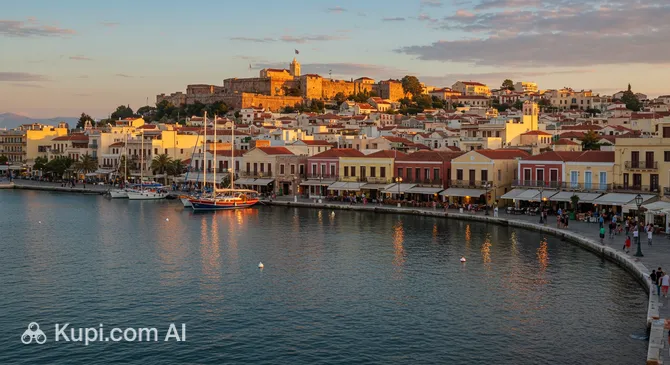
Rethymno. Illustration.
Source: Kupi.com AI

Rethymno is not only about history but also about magnificent sandy beaches that stretch for many kilometers along the coast, inviting you to relax by the azure sea. The city, with a population of about 32,500, is the administrative center of the prefecture of the same name in Greece. It is surrounded by scenic mountains and pine forests, creating excellent conditions for nature lovers and active travelers.

The atmosphere of Rethymno is permeated with Mediterranean relaxation and the sincere hospitality of the locals. Everyone will find something to enjoy here: from cozy cafes and traditional tavernas serving authentic Cretan cuisine to lively bars and colorful markets. The city attracts young people, families with children, and those seeking a peaceful and educational getaway.

If you dream of a trip that combines beach relaxation, immersion in history, and discovery of a unique culture, Rethymno is the perfect choice for you. This charming Cretan city is waiting to give you unforgettable impressions!

You can find more interesting facts on the history of Rethymno city
Weather Overview

The weather in Rethymno is characterized by a typical Mediterranean climate. Summers here are hot and mostly dry, with average maximum temperatures in July and August reaching around 28°C, and rainfall is minimal. Winters are mild and wetter, with average temperatures in January around 11°C and many rainy days. Spring and autumn are pleasant transitional seasons with moderate temperatures and little rainfall. Expect warm, sunny summers and mild, wet winters. For more detailed information about the weather by month, you can check the detailed forecast: Rethymno Climate.

Average monthly temperature

Average monthly precipitation

Interesting Facts

Beyond its famous beaches and Venetian harbor, Rethymno hides many surprising stories and little-known details that make it even more alluring for curious travelers.

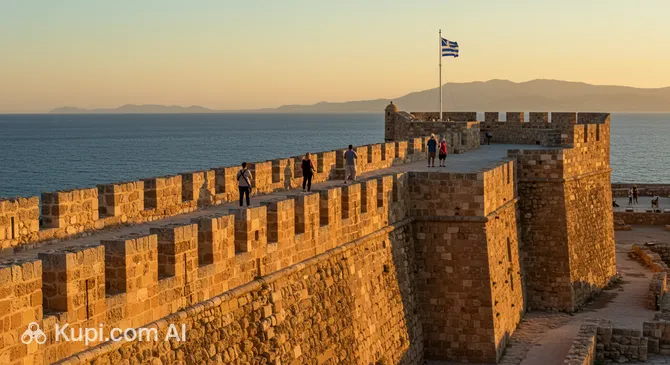
Fortezza of Rethymno. Illustration.
Source: Kupi.com AI

Traveler photos:

  • The majestic Fortezza of Rethymno, built by the Venetians in the 16th century, was originally designed not just as a military fortification, but as a fully autonomous city capable of sheltering the entire population of Rethymno within its walls during enemy attacks.

  • The charming Rethymno Lighthouse, which greets ships at the entrance to the old Venetian harbor, was built in 1864. It still serves its purpose today and remains one of the city's most recognizable and frequently photographed symbols.

  • The famous Rimondi Fountain, created in 1626, is more than just a beautiful example of Venetian architecture. According to local legend, if you drink water from all three of its lion heads, you are certain to return to Rethymno again.

How to Get There

Rethymno is located on the northern coast of Crete, roughly halfway between the island's two main air gateways. There is no airport in Rethymno itself, so travelers usually fly into the neighboring cities of Chania or Heraklion and then reach their destination by bus, taxi, or rental car. You can find all the details and plan your route by following the link: more on how to get to Rethymno.

The closest airport to the resort is Chania International Airport (IATA: CHQ), located in the city of Chania. The distance to Rethymno is about 36 km. This is a convenient option for those looking to minimize transfer time. A taxi or car ride takes approximately 1 hour and 15 minutes. The airport serves many European flights and is the second busiest on the island.

Another popular option is Heraklion Airport (IATA: HER), also known as Nikos Kazantzakis Airport. It is located in the city of Heraklion, about 62 km from Rethymno. This is Crete's main and largest airport with very high passenger traffic. The travel time from here to Rethymno is about 1 hour and 55 minutes by taxi or bus. Due to the high volume of flights, many tourists choose this arrival point.

For convenience, here is a summary of the main airports:

AirportPassenger trafficDistance
Chania International Airport3.6 mln36 km
Heraklion Airport9.4 mln62 km
Santorini International Airport2.9 mln145 km
Sitia Airport62 000147 km
Milos Airport77 501148 km

Regarding rail transport, it is important to note that there is no railway service on the island of Crete, including the city of Rethymno. There are no trains or light rails here. The main alternative for traveling between cities is the comfortable intercity buses operated by KTEL, which run regularly along the coast, connecting Rethymno with Heraklion, Chania, and other locations.

Main Attractions

Rethymno, a charming city on the northern coast of Crete, is famous for its well-preserved Venetian-era Old Town and a variety of attractions that draw travelers in. Every corner here breathes history, while the picturesque landscapes and cultural sites offer unforgettable experiences. Here are just a few of the places you must visit in Rethymno.

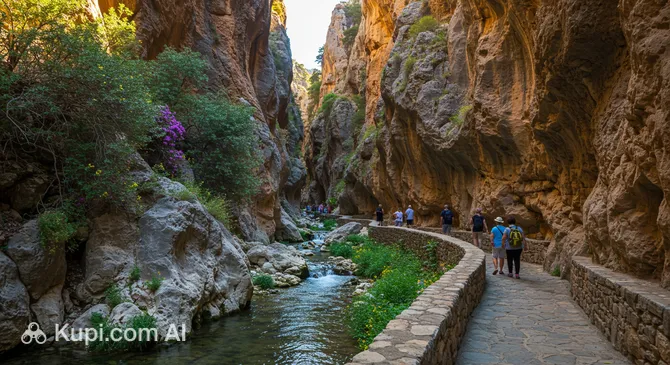
For nature lovers and hikers, the Mili Gorge will be a true discovery. This scenic gorge, located near the city, offers a refreshing escape from the urban hustle. You can walk along the river, enjoying lush greenery, old water mills, and the remains of an abandoned village. The route is easy and suitable for the whole family, providing an opportunity to connect with Cretan nature and history.

Mili Gorge. Illustration.
Source: Kupi.com AI

Traveler photos:

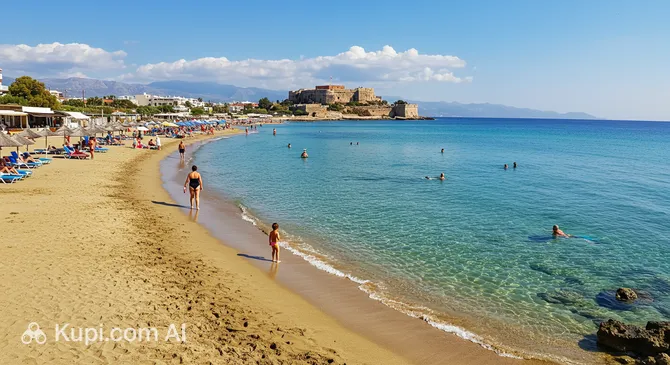
The famous Rethymno Beach stretches for many kilometers along the eastern part of the city, offering golden sand and the crystal-clear waters of the Cretan Sea. It is an ideal spot for sunbathing, swimming, and water sports. Numerous tavernas, cafes, and bars line the beach, where you can relax and enjoy local cuisine with a sea view. The well-developed infrastructure makes it convenient for both families with children and young people.

Rethymno Beach. Illustration.
Source: Kupi.com AI

Traveler photos:

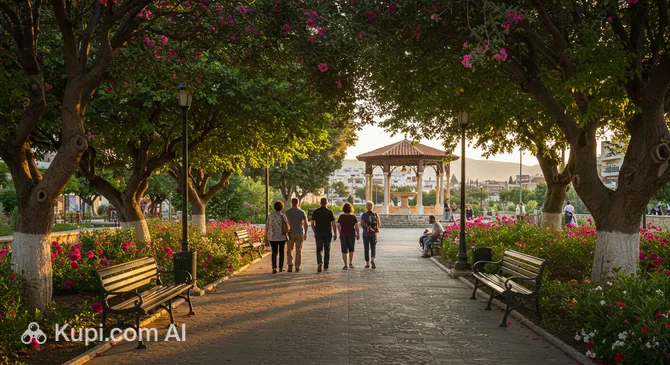
In the very center of the city lies the Rethymno Municipal Garden—a true green oasis. This beautiful park offers shade and coolness on hot days, serving as a favorite relaxation spot for both locals and tourists. You can stroll through well-kept alleys, admire a variety of plants, rest on a bench, or visit the small library and playground. The garden also frequently hosts various cultural events and festivals.

Rethymno Municipal Garden. Illustration.
Source: Kupi.com AI

Traveler photos:

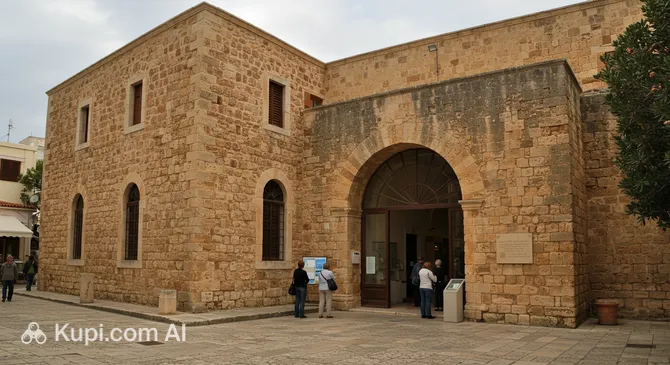
For history and archaeology enthusiasts, a visit to the Archaeological Museum of Rethymno is a must. Its exhibits feature valuable finds from the region, ranging from the Neolithic era and the Minoan civilization to the Roman period. Collections of ceramics, sculptures, coins, and jewelry help visitors gain a deeper understanding of this land's rich past.

Archaeological Museum of Rethymno. Illustration.
Source: Kupi.com AI

Traveler photos:

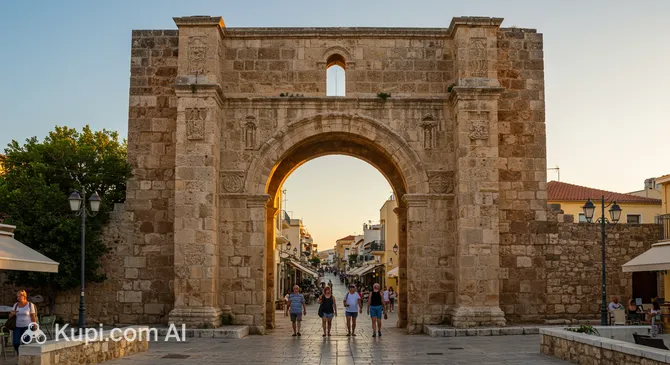
The historical entrance to the Old Town is the Guora Gate, also known as Megali Porta (the Great Gate). It is the only surviving gate of the ancient Venetian city walls, built in the late 16th century. Passing through it, you feel as though you have been transported back several centuries into a labyrinth of narrow streets filled with Venetian mansions and blooming courtyards.

Guora Gate. Illustration.
Source: Kupi.com AI

Traveler photos:

Local Cuisine

The cuisine of Rethymno is a true gastronomic journey infused with the aromas of Crete. Local dishes are based on the freshest vegetables, blessed olive oil, treasures from the Aegean Sea, and fragrant herbs grown on the island. The city's food scene will delight both lovers of traditional recipes and seekers of new taste sensations.

Be sure to try the famous Cretan dakos—crunchy barley rusks topped with chopped tomatoes, tender feta or myzithra cheese, and generously drizzled with olive oil and oregano. No less popular is the hearty moussaka, prepared here in a special way, often following family recipes passed down through generations. Seafood lovers should visit the local tavernas, which serve freshly caught fish, squid, octopus, and mussels, grilled or cooked in aromatic sauces. Special attention should be given to goat and lamb dishes, slow-cooked in the oven with herbs or grilled over charcoal until golden brown.

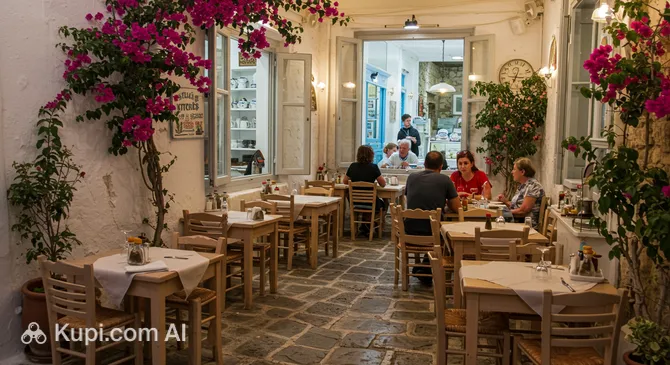
Stella's Kitchen. Illustration.
Source: Kupi.com AI

Traveler photos:

Street food in Rethymno is also noteworthy: try the fragrant cheese pies (kalitsounia) or spinach pies (hortopita). At farmers' markets, you can find various types of olives, sun-dried tomatoes, local cheeses like graviera, and, of course, the famous Cretan honey, often served with thick yogurt for dessert. You can experience authentic flavors at tavernas such as Stella's Kitchen, where Cretan culinary traditions are honored.

As for drinks, you should definitely try the aromatic Greek coffee prepared in a briki. On a hot day, a frappe or freshly squeezed orange juice will be refreshing. In the evening, locals and tourists enjoy local wines or the traditional strong drink raki (tsikoudia), which is often served as a digestif. The food culture here is very social: it is customary to gather in large groups in tavernas to enjoy food and conversation. In the summer, Rethymno often hosts gastronomic festivals where you can sample the full variety of Cretan delicacies.

Travel Tips

Welcome to sunny Rethymno! To ensure your trip to this charming Cretan city is as comfortable and pleasant as possible, we have prepared a few practical tips.

  1. Clothing and Essentials: Rethymno has a Mediterranean climate. In summer (June–August), choose light clothing made from natural fabrics, and be sure to bring a hat, sunglasses, and sunscreen with high SPF. In spring and autumn, the weather is pleasant, but evenings can be cool—a light jacket or sweater will come in handy. Winter is mild but rainy, so a waterproof jacket and umbrella are useful. A key point is comfortable shoes, as you will be walking a lot on the cobbled streets of the Old Town. When visiting monasteries and churches, choose clothing that covers your shoulders and knees. Don't forget a European adapter for your electronics (Type F).

  2. Getting Around: The historical center of Rethymno is best explored on foot—this way you won't miss any picturesque details. For trips to the suburbs or other cities in Crete, you can use KTEL buses—they are quite comfortable and run on schedule. Taxis are available, but it’s better to agree on the price in advance or make sure the driver turns on the meter. Renting a car or scooter is a good option for exploring the island independently, but keep in mind that parking in central Rethymno can be a challenge, especially in high season.

  3. Finances: The official currency in Greece is the Euro (EUR). ATMs are widespread, especially in tourist areas. International bank cards (Visa, Mastercard, etc.) are widely accepted in most hotels, restaurants, and large shops. However, it is always useful to have some cash for small purchases, markets, or small tavernas. An approximate daily budget might be 50–70 euros per person (excluding accommodation), depending on your dining and entertainment preferences. Inform your bank of your travel plans before you go to avoid card blocks. Tipping in restaurants is welcomed (usually 5–10% of the bill if you liked the service) or you can simply round up the bill.

  4. Health and Safety: Pharmacies (Greek "farmakeio" – φαρмаκείο) are easy to find; information about duty pharmacies is usually posted on their doors. For emergency medical assistance, call 112. Rethymno is generally a safe city. However, as elsewhere, follow basic precautions: keep an eye on your belongings in crowded places (especially on the waterfront and in the Old Town), and do not leave valuables unattended. Walking on well-lit streets in the evening is usually safe.

  5. Communication: The official language is Greek. In the tourism sector (hotels, restaurants, shops), many people speak English, and less frequently German or French. Learning a few basic Greek phrases, such as "kalimera" (good morning), "kalispera" (good evening), "efcharisto" (thank you), and "parakalo" (please/you're welcome), will help you win over the locals. Mobile SIM cards from local operators can be bought at their offices or at kiosks. Wi-Fi is available in most hotels, cafes, and restaurants. Useful local apps include navigation services (such as Google Maps or Maps.me for offline maps), taxi apps (check for region-specific ones like FreeNow), or the KTEL bus company app for checking schedules.

  6. Local Etiquette: Greeks are hospitable and friendly people. A greeting is usually accompanied by a handshake. A relaxed pace is part of the local mentality, so don't be surprised if service in a taverna is unhurried. Show respect for local traditions and culture, especially when visiting religious sites. Loud talking and excessive expressiveness in public places can be perceived mixedly.

  7. What to Avoid: You should not take photos of people without their prior consent, especially in private settings or in churches. Be careful with gestures: for example, an open palm with spread fingers (the "moutza" gesture) is considered offensive. Also, avoid entering into discussions on sensitive political or historical topics unless you are sure of your knowledge and neutrality.

  8. Rethymno Features: Many small shops and boutiques may close for a siesta (roughly from 2:00 PM to 5:00 or 6:00 PM), especially in the hot summer months. However, the city comes alive in the evening, and a walk along the waterfront or dinner in one of the Old Town's tavernas is a real treat. If your trip coincides with local celebrations, such as the Rethymno Carnival (usually in February–March) or the Cretan Diet Festival (July), be sure to attend—it’s an unforgettable experience.

We hope these tips help you plan your trip better and fully enjoy the beauty and hospitality of Rethymno. We wish you an unforgettable holiday in Crete!

Entertainment & Nightlife

As darkness falls, Rethymno is transformed, offering its guests a chance to dive into a lively and diverse nightlife. The city is famous for its ability to combine a relaxed daytime atmosphere with energetic evening entertainment. The main hubs for nightlife enthusiasts are undoubtedly the Old Town and the waterfront.

Hidden within the labyrinth of narrow streets in the Old Town are numerous cozy bars, traditional tavernas open late into the night, and stylish cocktail bars. You can find venues for every taste: from quiet jazz clubs to places with live Greek music. The waterfront, in turn, attracts more boisterous and modern clubs and bars with sea views. The atmosphere in most establishments is casual and friendly. The crowd is mixed—tourists and locals of all ages. Most bars start filling up closer to midnight, while clubs come alive even later and stay open until morning. There is usually no specific dress code, but smart casual is preferred for some of the more upscale clubs.

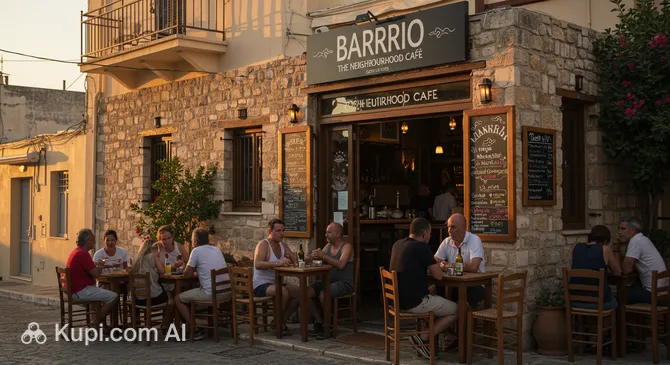
Barrio The Neighbourhood Cafe. Illustration.
Source: Kupi.com AI

Traveler photos:

Among the popular spots, Barrio The Neighbourhood Cafe is worth noting, known for its pleasant atmosphere and good selection of drinks. Many restaurants, such as Nostos or Stella's Kitchen, also stay open late, allowing you to enjoy dinner before heading out for nightly adventures. While Rethymno doesn't have massive night markets like some Asian cities, you can find souvenir shops open late in the evening along the waterfront and in the Old Town.

Practical Tips: The best time to go bar-hopping is after 10:00 PM or 11:00 PM. Average cocktail prices range from 8 to 15 euros. You can get around the city center at night on foot, as the main entertainment areas are close to each other. Taxis are available and can be called by phone or found at designated stands. The Old Town and the waterfront are considered safe for nighttime walks, though standard precautions should always be taken.

During the day, Rethymno also offers plenty of interesting activities. You can visit historical sites such as the Fortezza of Rethymno or the Rimondi Fountain. Culture lovers will appreciate the Archaeological Museum of Rethymno. For a peaceful break, the Rethymno Municipal Garden is ideal. Although there are no large amusement parks within the city itself, its charm and historical heritage more than make up for it.

Parks & Museums

Rethymno is a city where history and nature are harmoniously intertwined, offering travelers both peaceful green corners for relaxation and a rich cultural heritage reflected in its museums and historical monuments.

For those seeking freshness and tranquility, the Rethymno Municipal Garden is a true oasis. This shady park in the city center is the perfect place for leisurely strolls among palms and flowers, where you can hide from the summer heat and enjoy the silence. Children often play here, and locals relax on the benches.

Rethymno Municipal Garden. Illustration.
Source: Kupi.com AI

Traveler photos:

Nature and outdoor enthusiasts should definitely visit the Mili Gorge, located near the city. This picturesque spot with lush vegetation, ruins of old water mills, and a small river offers exciting hiking trails. A walk through the gorge is an immersion into untouched Cretan nature and history.

Mili Gorge. Illustration.
Source: Kupi.com AI

Traveler photos:

The famous Rethymno Beach cannot be overlooked—a long sandy stretch that is not only a place for swimming and sunbathing but also a beautiful natural area for seaside walks, especially at sunset.

Rethymno Beach. Illustration.
Source: Kupi.com AI

Traveler photos:

To gain a deeper understanding of Rethymno's history and culture, be sure to stop by the Archaeological Museum of Rethymno. Its exhibits feature finds from various eras, from the Neolithic to the Roman period, discovered in the region. The museum's collection includes ceramics, sculptures, coins, and jewelry that tell the story of Crete's rich past.

Archaeological Museum of Rethymno. Illustration.
Source: Kupi.com AI

Traveler photos:

While Rethymno does not have many large art galleries, the Old Town itself can be considered an open-air museum. Strolling through its narrow streets, where every stone breathes history, will provide just as many impressions.

The majestic Fortezza of Rethymno, a 16th-century Venetian fortress, dominates the city and is its main symbol. It is not just a defensive structure, but an entire historical complex with building ruins, a mosque, and stunning views of the sea and city. Visiting the Fortezza is a must for every tourist.

Fortezza of Rethymno. Illustration.
Source: Kupi.com AI

Traveler photos:

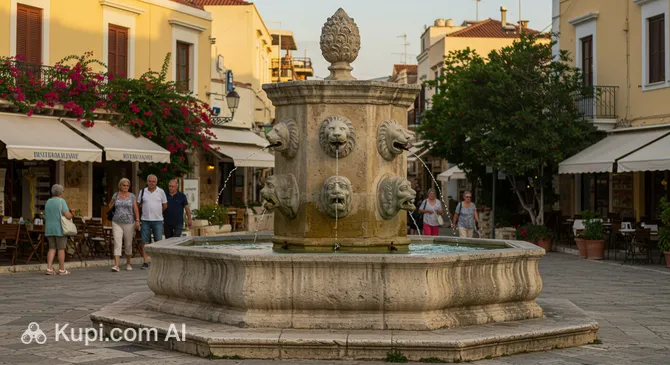
In the heart of the Old Town, you will find the charming Rimondi Fountain, built in 1626. This Venetian fountain with three lion heads, from which water once flowed, remains a popular meeting spot and one of Rethymno's landmarks. Nearby is the historical Guora Gate (Megali Porta)—the only surviving fragment of the old city wall.

Rimondi Fountain. Illustration.
Source: Kupi.com AI

Traveler photos:

For an authentic experience, turn off the main tourist routes and explore the lesser-known alleys of the Old Town. Peek into small courtyards where time seems to have stood still, or find one of the many small churches to feel the true spirit of Rethymno.

Getting Around

Public transport in Rethymno consists primarily of a bus network, which is a convenient and economical way to get around both the city itself and to the surrounding areas and other settlements on the island. There is no metro, tram, or trolleybus system; the main carrier is the KTEL bus company, which operates both urban and intercity routes.

City buses in Rethymno connect the center with more outlying districts, including the beach areas. KTEL intercity buses allow you to reach Heraklion, Chania, and other key points on Crete. The Rethymno bus station, from which most buses depart, is located near the city center. Schedules can be found directly at the bus station or on the carrier's official website.

Bus tickets are usually purchased at the bus station ticket offices, at special kiosks (periptero), or sometimes from the driver (in which case the price may be slightly higher). For some routes or when buying from the driver, the exact change may be required. Fares are very affordable, especially for short distances within the city. Information about special tourist travel cards or mobile apps for payment in Rethymno is limited, so it is best to rely on buying single tickets. Do not forget to validate your ticket when boarding the bus if required.

Buses in Rethymno run fairly regularly, especially during the high tourist season (from spring to autumn). In the winter, as well as in the early morning and late evening, intervals may be longer. Therefore, if you are planning a trip, especially for a long distance or during off-peak hours, it is recommended to check the current schedule in advance.

In addition to buses, other modes of transport are available in Rethymno. Taxis can be found at designated stands or called by phone; they operate on a meter, but it is better to agree on a price for long-distance trips in advance. Renting cars, scooters, and ATVs is very popular, providing more freedom to explore the picturesque surroundings and beaches. For leisurely rides within the city, especially through its charming old part and along the waterfront, you can rent a bicycle.

Many travelers note that the historical center of Rethymno is quite compact and is best explored on foot to enjoy the atmosphere of the narrow streets. Public transport becomes particularly useful for trips to beaches outside the center or for traveling across the island.

Accommodation

Rethymno offers a wide range of accommodation options to suit the needs of any traveler. Here you will find everything from cozy budget guesthouses and apartments in the Old Town to mid-range hotels and luxury resort complexes located along the coast. Many tourists prefer to stay in the historic center to be within walking distance of attractions like the Fortezza of Rethymno or the Rimondi Fountain, as well as numerous tavernas and shops. Others choose hotels near Rethymno Beach to enjoy the sea breeze and easy access to the water.

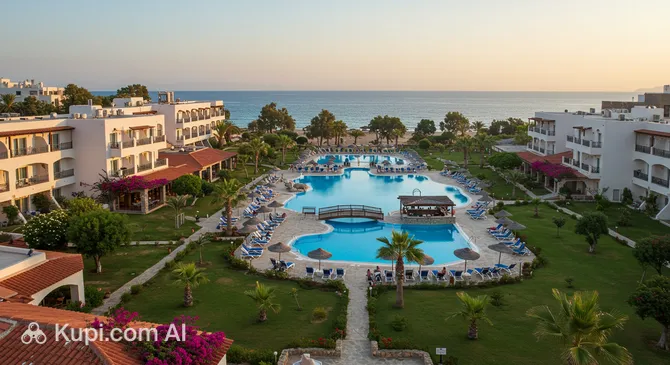
Creta Palace. Illustration.
Source: Kupi.com AI

Traveler photos:

Among the well-known options is the Creta Palace resort, which offers a high level of service and a variety of amenities. The choice of accommodation is extensive: from economical options suitable for backpackers to family apartments and fashionable hotels for discerning guests. Prices vary depending on the season, comfort level, and location.

To search for and book accommodation in Rethymno, it is convenient to use popular online platforms where you can compare prices and read reviews from other travelers. Direct booking through hotel websites is also an option. It is highly recommended to book accommodation in advance, especially if your trip coincides with the peak tourist season (summer months), as the best options are snapped up quickly.

Nearby Cities

For those who want to explore the surrounding area, Rethymno serves as an excellent starting point for exciting day trips. Nearby cities, each with its own unique charm, are within easy reach. For example, it is worth visiting Chania, known for its picturesque Venetian harbor and colorful Old Town. Equally interesting is Heraklion, the capital of Crete, where you can immerse yourself in the history of the Minoan civilization by visiting the Archaeological Museum and the ruins of the Palace of Knossos. Meanwhile, Agios Nikolaos will enchant you with its famous Lake Voulismeni, around which local life revolves.

CityPopulationDistance
Chania53 91046 km
Heraklion211 37059 km
Nea Alikarnassos14 63561 km
Agios Nikolaos27 074113 km
Ierapetra12 355120 km

These nearby destinations provide a more complete picture of Crete's diverse culture, history, and landscapes, enriching your trip with new discoveries.

Shopping & Souvenirs

Shopping in Rethymno is a pleasant addition to your holiday, especially if you appreciate authentic goods and leisurely walks through colorful streets. The city is not famous for huge shopping centers, but it offers plenty of opportunities to buy unique souvenirs, local delicacies, and handmade items. The main focus here is on traditional Cretan products such as olive oil, honey, herbs, ceramics, and leather goods.

The primary shopping destination in Rethymno is its charming Old Town. Stroll through the narrow Venetian streets, especially Arkadiou and Souliou, which are teeming with small shops, boutiques, and souvenir stalls. Here you will find everything from clothes and shoes by local designers to jewelry and artworks. The atmosphere of the Old Town itself invites a relaxed selection of gifts and keepsakes.

In Rethymno, you will not find the large, modern shopping complexes typical of major cities. Shopping here is more traditional and intimate, dominated by small family-run shops and workshops. This allows you to immerse yourself deeper into the local culture and find truly unique items.

It is definitely worth visiting the local weekly market (Laiki Agora), which usually takes place on Thursday mornings (it is recommended to check the days and hours locally as they may change). This is a real feast for foodies and lovers of fresh produce: here you can buy seasonal fruits and vegetables, olives, the famous Cretan cheese, fragrant honey, herbs, spices, as well as fresh fish and seafood. Sometimes you can also find inexpensive clothing, textiles, or household items at the market.

As for souvenirs, you should bring a piece of the Cretan soul home from Rethymno. Look out for:

  • Olive oil of the highest quality and cosmetics based on it.
  • Cretan honey, especially thyme or pine honey.
  • Local alcoholic drinks: raki (tsikoudia) or high-quality Cretan wine.
  • Fragrant herbs and spices such as oregano, rosemary, sage, or the legendary dictamnus.
  • Handmade ceramic items with traditional patterns.
  • High-quality leather goods: sandals, bags, belts.
  • Original jewelry, often inspired by Minoan culture or Byzantine motifs.
  • Traditional textiles, embroidery, and lace.

Most shops in Rethymno operate on a standard Greek schedule: roughly from 9:00-10:00 AM to 1:30-2:00 PM, followed by a siesta, and then reopening from 5:30-6:00 PM to 8:30-9:00 PM. During the peak tourist season, many shops in the Old Town may stay open longer and without a long afternoon break. On Sundays, most shops, except for some tourist stalls, are usually closed. Cash (Euros) is accepted everywhere, and most shops also accept bank cards. However, it is better to have some cash on hand for purchases at the market or in very small shops.

For tourists from countries outside the European Union, there is the possibility of VAT refunds (Tax Free Shopping). If you make purchases over a certain amount in a shop participating in the Tax Free system, ask the seller for a special form. By presenting this form along with your purchases and passport at customs when leaving Greece (and the EU), you can get a partial refund of the money spent.

Reached the end of the page?

That means the route is fully explored