Support

Reggio Emilia-Centro

About

Steeped in an atmosphere of authentic Italian hospitality, the historic center of Reggio Emilia is a picturesque labyrinth of streets where Roman echoes meet Baroque elegance. This district in Reggio Emilia is the true heart of the Emilia-Romagna region, carefully preserving the heritage of the ancient Via Emilia road. Visitors can expect a stunning blend of monumental cathedrals, cozy squares, and vibrant cultural life.
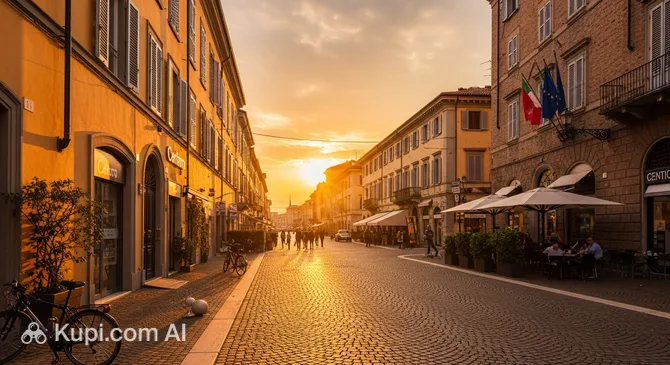
Reggio Emilia Historic Center
Reggio Emilia Historic Center. Иллюстрация. Источник: Kupi.com AI

Central to the architectural ensemble are squares like Piazza Prampolini, home to the majestic Cathedral and the Municipal Palace. It was in this part of Italy that the national banner—the famous tricolor—was born, making the city an important symbol of national unity. The compact nature of the center allows tourists to easily explore it on foot, discovering authentic shops and hidden courtyards.

Beyond its historical significance, the center is famous for its role in the "Food Valley." Here, gastronomy is elevated to an art form: the aromas of fresh pastries and famous local DOP products fill the air, inviting you to step into family-run restaurants. This is a place where history is not frozen in museums but continues to live in every bicycle moving over the cobblestones and in the lively conversations over a cup of espresso.

Contacts

To help you plan your visit to the historic part of the city, here are the main contact details for the information center.

How to contactContact
AddressVia Mario Calderini, 5/A, 42121 Reggio Emilia RE, Italy

What to Do

Start your walk through the center at Piazza Prampolini, where you can spend hours admiring the details of the cathedral, the baptistery, and the ancient Bordello Tower. History buffs shouldn't miss the Tricolor Museum—entry is free, and the exhibits tell the fascinating story of the birth of the Italian flag. Equally impressive is the Valli Municipal Theatre, considered one of the most beautiful opera houses in the region.

Pay special attention to the spiritual landmarks: the Basilica della Ghiara is breathtaking with its intricate frescoes and altarpieces by masters like Guercino and Carracci. For those seeking more worldly leisure, shopping in the historic buildings along Via Emilia or visiting the Parmeggiani Gallery are ideal options.

Don't forget the culinary experience. The historic center is the perfect place to taste DOP products. Try authentic tortellini or local cheese in the small shops that have been operating here for decades. In the evening, you can rent a bicycle like the locals and ride through the lively squares, enjoying the atmosphere of an Italian evening stroll—the passeggiata.

Getting There

Getting to the heart of the city is easy, as the historic center of Reggio Emilia is very compact and perfect for pedestrians. If you arrive by train, the local Reggio Emilia station is just one kilometer from the main squares—a pleasant 10–15 minute walk. For those using high-speed trains (Milan–Bologna line), the arrival point is the futuristic Reggio Emilia AV Mediopadana station. From there, you can quickly reach the center by bus or taxi in about 15 minutes.

Travelers by car can use the A1 motorway, taking the exit for the city and then following the historic Via Emilia. Keep in mind that there are Limited Traffic Zones (ZTL) in the very center, so it is best to leave your car in one of the park-and-ride lots on the perimeter of the old town.

The nearest major international airport is in Bologna (BLQ), approximately 50 kilometers away. A train ride or airport shuttle bus to Reggio Emilia takes about an hour, making the city easily accessible for international tourists.

Ближайший город: Reggio Emilia

History & Facts

The history of this place began in antiquity, when in 187 BC, Roman Consul Marcus Aemilius Lepidus founded a colony called Regium Lepidi. The city grew along the vital transport artery of the Via Emilia, which still defines the layout of the center today. After the fall of the Roman Empire, the settlement survived periods of decline and raids, but it was reborn in the Middle Ages as a free commune and later became part of the holdings of the powerful d’Este dynasty.

A special chapter in the city's chronicles was written on January 7, 1797. It was here, in the hall of the local parliament, that the green, white, and red tricolor was first adopted as the flag of the Cispadane Republic. This banner later became the national flag of all Italy, earning the city the proud title of "City of the Tricolor."

In the 20th century, Reggio Emilia gained worldwide fame for its innovative approach to early childhood education, known as the "Reggio Approach." Founded by educator Loris Malaguzzi after World War II, this system still draws thousands of specialists and researchers from around the world, turning the historic center into a site for cutting-edge cultural exchange.

Time Needed

For a quick look at the architecture and main squares, 2–4 hours is sufficient. This provides plenty of time for a leisurely stroll along the city's main axis, viewing the cathedral facades, and stopping for a quick coffee at one of the street cafes.

However, if you plan to visit the Tricolor Museum, step inside the Basilica della Ghiara, and enjoy a full meal in the "Food Valley," it is better to dedicate a full day to your visit. The city center invites long contemplation and thoughtful exploration of its historic details.

Working Hours

As a public space, the historic center of Reggio Emilia is open to visitors 24/7. However, individual museums, churches, and municipal buildings have their own operating hours, which may change depending on the season or holidays.

To ensure a successful visit to specific sites like the Tricolor Museum or the Valli Theatre, we recommend checking the current schedule on the official websites of these institutions in advance.

Nearby

Exploring the surroundings of the main historic hub will allow you to deeper experience the atmosphere of the Emilia-Romagna region. Within walking distance, you'll find both grand squares and quiet monastery courtyards.

NameDistance
Terme del Colesterolo0.1 km
Taberu Fusion Experience0.1 km
Camillo Prampolini Square0.2 km
Museum of the Tricolour0.2 km
Reggio Emilia Cathedral0.2 km
Antonio Fontanesi Square0.3 km
Piazza dei Martiri del 7 Luglio 1960 (formerly Piazza della Vittoria)0.3 km

Reached the end of the page?

That means the route is fully explored