Support

Seal Pavilion

About

The Seal Pavilion (also known as Azarasi-kan) is a specialized aquarium complex in Tokyo, entirely dedicated to the lives and habits of charming marine mammals. Located in the cozy Shinagawa district, this Japan attraction has gained popularity for its intimate format and the chance to see animals at arm's length. It's a quiet, family-oriented place where the focus is on a calm atmosphere and close contact with the inhabitants of the deep sea.
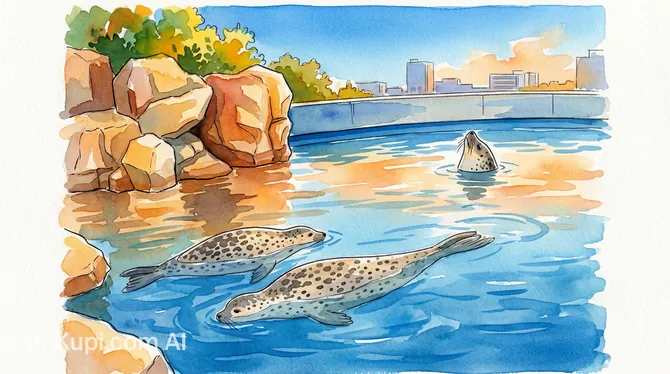
Seal Pavilion. Illustration.
Source: Kupi.com AI

Traveler photos:

The main architectural feature of the pavilion is its unique cylindrical tanks and transparent panels, which allow visitors to observe the seals from various angles. The innovative design makes it possible to see the animals gracefully maneuvering in the water, diving, and interacting with each other, demonstrating their natural behavior within the urban environment of the metropolis.

The facility is highly rated by visitors for its cleanliness, well-maintained environment, and genuine care for the animals. Here, you can not only admire the cute azarasi (the Japanese word for seals) but also learn about local species of marine fauna. The pavilion's compact size makes it an ideal stop for a brief but emotionally rewarding visit as part of a larger itinerary through the landmarks of the Japanese capital.

Contacts

When planning a visit to the Seal Pavilion in Tokyo, we recommend checking the current opening hours and any special events, such as feeding sessions, in advance. Since this is a local facility, information on schedule changes may be updated on-site or through the main aquarium complex's resources.

Checking this information beforehand will help you better plan your day in the Shinagawa area and avoid any overlap, especially if you are traveling during public holidays or school vacations in Japan.

How to contactContact
Address3-chōme-2-1 Katsushima, Shinagawa City, Tokyo 140-0012, Япония
Phone+81 3-3762-3433

What to Do

At the Seal Pavilion, the main attraction is observing marine life in its dynamic environment. Visitors can spend hours watching seals swim through vertical glass tubes, performing graceful turns and somersaults. Guests are especially delighted by the feeding shows, where they can witness not only the animals' appetite but also their high intelligence and readiness to interact with their keepers.

For photography enthusiasts, this place offers excellent opportunities for close-up shots of seals. Thanks to the transparency of the walls and thoughtful lighting, the photos turn out bright and vivid. Information boards about ecology, diet, and care are often placed near the pools, adding educational value to the visit.

In addition to seal watching, depending on the season, you might find temporary exhibits dedicated to other marine life, such as penguins or rare fish. The place is perfect for family outings: children are thrilled to be "face-to-face" with the animals through the glass. After the tour, you can stop by a small rest area to relax and pick up some souvenirs featuring the pavilion's main stars.

Getting There

The Seal Pavilion is located at 3-chōme-2-1 Katsushima, Shinagawa City. The most convenient way to get here is by public transport, which works flawlessly in Tokyo. The nearest station is Katsushima, and you can also use nearby stations in the Shinagawa area served by the JR Yamanote or Keikyu lines. The walk from the station to the pavilion takes about 5–10 minutes along quiet city streets.

If you are traveling from the city center, such as Tokyo Station, take the JR Keihin-Tohoku line to Shinagawa Station (a 15–20 minute journey) and then take a short taxi ride or walk. For those arriving from Haneda Airport, the Shinagawa area is accessible via direct bus routes and trains, making the location very convenient for tourists.

Pedestrian access to the site is well-organized, and the neighborhood is quiet with developed infrastructure. JR Pass holders should remember that it can be used on government train lines; however, it is best to avoid peak hours for a more comfortable journey. Note that parking nearby is limited, so public transport remains the preferred choice.

Nearest city: Tokyo

History & Facts

The history of the Seal Pavilion is inextricably linked to the development of the Japanese tradition of aquarium keeping, which began to take shape back in the 19th century. However, the true bloom of such facilities occurred in the post-war period, when zoos and aquariums in Japan began transforming from simple animal displays into modern centers for education and ecotourism.

It is believed that the concept of the pavilion in Tokyo was inspired by innovative designs from the 1980s, first pioneered at the Asahikawa Zoo. It was then that architects began incorporating cylindrical pools and transparent tunnels, allowing visitors to observe seals in a "360-degree" format, mimicking their natural habitat. This approach highlights the Japanese philosophy of contemplation and closeness to nature.

Today, this site is a prime example of the country's popular “kawaii culture,” where the focus is on the charm and friendliness of marine mammals. The lack of large-scale commercialization helps maintain a cozy atmosphere, focusing on educational programs and a respectful attitude toward ocean biodiversity, making the pavilion an important spot on the city's ecological education map.

Time Needed

The Seal Pavilion is a fairly compact and cozy facility, so 30 to 60 minutes is usually enough for a visit. It is an ideal spot for a short stop while walking around the Shinagawa district in Tokyo. A full tour of the exhibit takes about half an hour, making it easy to fit the visit into a busy sightseeing schedule.

If you plan to catch the feeding times or want to take many high-quality photos of the seals in motion, you should budget a bit more time. Families with children are also encouraged not to rush: little ones can spend a long time by the transparent tank walls, watching the marine animals play and perform tricks.

Working Hours

The Seal Pavilion hospitably opens its doors to visitors from 10:00 AM to 5:00 PM almost every day. It is important to note that the facility is usually closed for maintenance on Tuesdays, so plan your visit for any other day of the week, including weekends when the pavilion operates as usual.

We recommend arriving at opening time or in the first half of the day to catch the animals at their most active. Please note that the schedule may change slightly depending on the season or public holidays in Tokyo, so it is worth checking the official resources for updates before heading to the Shinagawa area.

DayWorking hours
Monday10:00–17:00
TuesdayЗакрыто
Wednesday10:00–17:00
Thursday10:00–17:00
Friday10:00–17:00
Saturday10:00–17:00
Sunday10:00–17:00

Nearby

Exploring the surroundings of the Seal Pavilion will allow you to create a full day's itinerary. The Shinagawa area is rich in contrasts: here, modern aquarium science sits alongside quiet sacred sites. Very close by is the large-scale Shinagawa Aquarium, and visiting it would be a logical continuation of your exploration of the marine world.

For those who want to experience traditional Japanese architecture and culture, the historic Iwai Shrine is within walking distance. It is also worth stopping by Heiwanomori Park, where you can take a break from the city bustle and enjoy the greenery. Such a variety of locations makes a walk through this part of the city rewarding and educational for travelers with any interests.

NameDistance
Shinagawa Aquarium0 km
Rooftop Kamata Ferris Wheel3.6 km
Gundam Base Tokyo5.3 km
Aquarium Gakyo5.4 km
Immersive Fort Tokyo5.5 km
Odaiba Beach6 km
Reserve Roastery Tokyo7.9 km

Reached the end of the page?

That means the route is fully explored