Support

Kandagawa Shinsui Terrace

About

Kandagawa Shinsui Waterfront is a unique recreational area located in the Shinjuku district of Tokyo. It is a specially equipped artificial terrace on the banks of the legendary Kandagawa River, designed so that residents and visitors to Japan can safely interact with the water right in the heart of the metropolis.
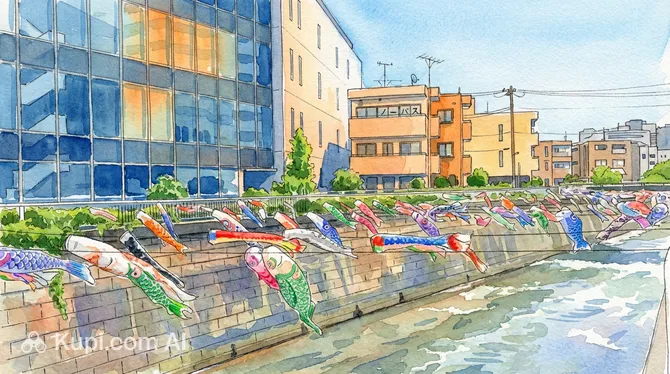
Kandagawa Shinsui Terrace. Illustration.
Source: Kupi.com AI

Traveler photos:

This complex is notable for its unusual design: it is surrounded by monumental white concrete walls about 10 meters high, which serve as flood protection. Inside the terrace, the water depth is maintained at 20 centimeters, creating the effect of a natural shallow area perfect for barefoot walks and children's play.

Although the place is often called a “water park,” it is much closer to an ecological educational space. The Kandagawa Shinsui Waterfront offers a rare chance to feel the rhythm of a real river, see small fish, and enjoy the coolness of flowing water without leaving the bustling Takadanobaba neighborhoods.

Contacts

When planning a visit to the Kandagawa Shinsui Waterfront, please keep in mind that access to the water zone depends heavily on the season and current weather conditions. We recommend checking the latest schedule and information regarding cultural events at the Totsuka Municipal Center or on the official Shinjuku City website before your visit.

How to contactContact
Address2-chōme-18-1 Takadanobaba, Shinjuku City, Tokyo 169-0075, Япония
Phone+81 3-5273-3924

What to Do

A visit to the Kandagawa Shinsui Waterfront is primarily a tactile experience. Here, you can step into the river barefoot or in water shoes to feel the invigorating coolness of the current. Children often come here with nets, hoping to catch small fish like ayu, which inhabit these waters. Adults appreciate the place for the opportunity to simply sit on the terrace steps with their feet in the water, resting from the summer heat of Tokyo.

During the summer, the waterfront becomes the center of the district's cultural life. Thematic workshops are held here, such as “Let's go to the Kandagawa!”, where you can learn more about the river's ecosystem. Of particular interest are the fabric-dyeing festivals: masters demonstrate the ancient technique of rinsing canvases with traditional yuzen patterns directly in the river flow, turning the terrace into a living open-air museum.

For a comfortable visit, it is recommended to bring a towel and a change of clothes. Safety is a priority here: lifeguards constantly monitor the water level and visitors' behavior, making the waterfront an excellent spot for family leisure. After relaxing by the water, you can stop by the neighboring community center to see exhibitions dedicated to hydraulic engineering and the history of the river.

Getting There

Getting to the Kandagawa Shinsui Waterfront in Tokyo is very simple thanks to its proximity to a major transport hub. The site is located just a 2-minute walk from Takadanobaba Station, which is served by the JR Yamanote Line and the Seibu Shinjuku Line. If you prefer the subway, take the Tozai Line—the walk from the station to the river takes no more than 5–7 minutes.

If you are traveling from central districts such as Shinjuku, the train ride takes only 10–15 minutes. After exiting the station, head north toward the Kandagawa River; the terrace is located right behind the Totsuka Municipal Center building. The high white walls of the embankment fortifications, visible from the bridge, will serve as your landmark.

It is worth noting that there is no dedicated car parking at the waterfront. However, for those traveling on two wheels, free bicycle parking is provided for the first two hours. This makes the waterfront an excellent stop during a cycling tour of Tokyo.

Nearest city: Tokyo

History & Facts

The Kandagawa Shinsui Waterfront was designed and built between 1998 and 1999. Originally, this project was purely utilitarian: the high ten-meter concrete walls and terraced descent were constructed by Tokyo Metro to protect the Takadanobaba district from the destructive floods that used to occur on the Kandagawa River due to its steep gradient.

The history of this location is inextricably linked to the craft traditions of Japan. For centuries, the Shinjuku district was a hub for fabric-dyeing masters. The clear waters of the Kandagawa were used to rinse silk during the creation of famous kimonos. Today, the waterfront serves as a venue for festivals reviving the ancient “mizumoto” technique—the public rinsing of dyed fabrics in the river flow.

Since 2014, the Tokyo authorities have opened this engineering facility for public use during the summer. Thus, a technical structure designed to contain water has been transformed into a cozy space for “water contact” (shinsui), where modern hydraulic engineering harmonizes with educational programs and urban environmental care.

Time Needed

A standard visit to the Kandagawa Shinsui Waterfront usually takes 1 to 2 hours. This is ample time to walk through the water, observe the local fauna, and enjoy the unusual atmosphere of a river terrace in the heart of the metropolis. If you are traveling with children or decide to participate in one of the summer workshops, your stay may extend to 3 hours.

Outside the summer season, when access to the water itself is closed for safety, viewing the waterfront from above takes no more than 15–20 minutes. The duration of a visit also depends on the weather: on particularly hot days, the terrace becomes a popular spot for a long break in the cool of the Kandagawa River.

Working Hours

The main feature of the Kandagawa Shinsui Waterfront is its strictly seasonal schedule. Direct access to the water terrace is open only during the summer school holidays—typically from mid-July to early August. During this period, visitors are welcome daily from 10:00 AM to 3:00 PM.

Throughout the rest of the year, the entrance to the lower levels is closed due to the risk of sudden flash floods; however, the waterfront itself can be viewed from above at any time. Remember that the facility's operation depends directly on the weather forecast: in the event of heavy rain or warnings of rising water levels in the Kandagawa River, the terrace may be closed immediately.

10:00–15:00

Nearby

The area surrounding the Kandagawa Shinsui Waterfront in Tokyo offers many interesting spots to enrich your walk. Nearby is the exquisite Mejiro Garden—a quiet corner with traditional landscape design and a pond where you can escape the city bustle. For those who value history and a spiritual atmosphere, the ancient Kishimojin Temple, famous for its majestic ginkgo tree, is a must-see.

If you are interested in art and the heritage of samurai dynasties, it is worth visiting the Eisei Bunko Museum, which houses unique artifacts. To recharge after a long day of sightseeing, you can stop by the authentic hot springs of Mannenyu Onsen. This proximity of natural areas, historical shrines, and cultural centers allows guests of Japan to experience the multifaceted face of the Japanese capital in a single itinerary.

NameDistance
Suga Shrine3.7 km
Tokyo Imperial Palace5.4 km
Shibuya Coffee Bar5.6 km
Nijubashi Bridge5.8 km
Nezu Museum5.9 km
Blue Note Tokyo6 km
Studio Tour Tokyo – The Making of Harry Potter6.3 km

Reached the end of the page?

That means the route is fully explored