Support

ART AQUARIUM MUSEUM

About

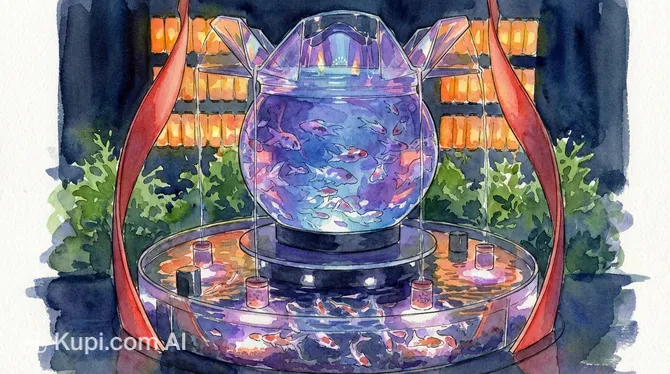
Imagine a space where the boundaries between nature and digital art blur, creating surreal landscapes. This is exactly what the Art Aquarium Museum in Tokyo is—a unique exhibition located in the heart of the fashionable Ginza district. Here, thousands of goldfish become part of grand installations, swimming in complex glass vessels accompanied by mesmerizing music and changing lights.

\n

The museum occupies the ninth floor of the new Ginza Mitsukoshi department store building and is a true labyrinth of light and mirrors. Unlike traditional aquariums, the focus here is on Japanese aesthetics and philosophy. Every zone of the museum—whether it's the "Origamarium" or the "Bamboo Grove"—is steeped in the spirit of Japan, blending Edo-era traditions with cutting-edge LED technology and projections.
\n
Art Aquarium Museum. Illustration.
Source: Kupi.com AI

Traveler photos:

\n

This place is rightfully considered one of the most photogenic in the Japanese capital. Visitors can see the rarest breeds of fish, whose scales shimmer with all the colors of the rainbow in laser beams. Seasonal exhibition changes dedicated to cherry blossoms, maples, or hydrangeas make every visit unique, turning an ordinary walk into a magical journey.

Contacts

To plan your visit to the Art Aquarium Museum, we recommend checking the latest information on official resources. Opening hours and the availability of certain exhibits may vary depending on the season and special events.

How to contactContact
AddressЯпония, 〒104-8212 Tokyo, Chuo City, Ginza, 4-chōme−6−16 三越新館 9階 9階入場口
Phone+81 3-3528-6721
Websiteartaquarium.jp

What to Do

The main activity at the Art Aquarium Museum is contemplation. You can walk through the Goldfish Corridor, where the walls seem infinite due to mirrors, and see the "Origamarium"—giant tanks shaped like traditional Japanese paper figures. Dynamic lighting and video projections create the feeling that the fish are dancing to the beat of the music, leaving a deep aesthetic impression.

\n

For photography enthusiasts, the museum offers an endless number of spectacular angles. Waterfall installations, illuminated domes, and zones designed in the style of traditional Japanese gardens with seasonal motifs provide the perfect backdrop for photos. Here, you can not only admire the beauty but also study a variety of species: some goldfish breeds are so rare that they are hard to find anywhere else.

\n

To finish your tour, it's worth stopping by the museum shop. It features exclusive souvenirs inspired by goldfish themes and Japanese art—from elegant accessories to sweets in original packaging. Thanks to the calm atmosphere and lack of hustle, visiting the museum is a great way to relax in the middle of a bustling metropolis.

Getting There

The Art Aquarium Museum is located at: 〒104-8212 Tokyo, Chuo City, Ginza, 4-chōme−6−16, on the 9th floor of the new Mitsukoshi Ginza shopping center building. This is the very heart of the prestigious Ginza district, so getting here is easy from anywhere in the city.

\n

The fastest and most convenient way is to use the subway. The building is located directly across from Ginza station (Exit A7) or a five-minute walk from Ginza 1-Chome station (Exit 9). If you prefer walking, the route from Tokyo Central Station will take about 15–20 minutes.

\n

Entrance to the museum is through the reception on the ninth floor. Given the central location and potential parking difficulties in this area, public transport is the most preferred option for tourists.

Nearest city: Tokyo

History & Facts

The history of the Art Aquarium Museum is closely linked to its creator—Japanese producer Hidetomo Kimura. He reimagined Japan's traditional fascination with goldfish, which dates back to the Edo period (1603–1868), and transformed it into modern digital art. In those times, watching goldfish symbolized harmony and coolness during hot summer days.

\n

The museum opened in its current permanent form in May 2022. Prior to this, the project existed as temporary exhibitions in the Nihonbashi district, which were incredibly successful. The move to the Ginza Mitsukoshi building allowed the exhibition to expand and be accessible to visitors year-round.

\n

Kimura’s concept involves creating "living paintings," where the fish act as the main characters, while the aquariums serve as frames and sets. The hall designs often use classic motifs such as kimono patterns, bamboo groves, and Kutani ceramics, highlighting the project's deep connection to Japanese cultural heritage.

Time Needed

To leisurely explore all nine thematic zones of the Art Aquarium Museum, take beautiful photos, and browse the souvenir shop, tourists are recommended to allocate about 1–1.5 hours. This is quite enough for a full immersion into the meditative atmosphere of the exhibition halls.

\n

If your schedule is very tight, the main route can be completed in 45–60 minutes. However, given the complexity and detail of the installations, it's better not to rush so you have time to see the rare fish breeds and enjoy the play of light and music.

Working Hours

The Art Aquarium Museum is open daily, from Monday to Sunday. The museum doors are hospitably open from 10:00 to 19:00, though it should be noted that entry for new visitors ends an hour before closing—at 18:00.

\n

Please note that the operating schedule may change slightly depending on holidays or the launch of new seasonal exhibitions. Before your visit, we advise checking the current schedule on the museum's official website to ensure your trip goes perfectly.

10:00–19:00

Nearby

A stroll through the Ginza district after visiting the aquarium will be a great addition to your itinerary. Just a few minutes' walk away is the legendary stationery store Itoya Ginza, where you can find unique Japanese art supplies and souvenirs.

\n

If you want to dive into the atmosphere of old Tokyo, stop by the Okuno Building—a historical landmark with a unique manual elevator and galleries. For those who prefer shopping and relaxing in modern spaces, the Midtown Hibiya complex is nearby, offering panoramic city views and many cozy cafes.

NameDistance
Nijubashi Bridge1.5 km
Tokyo Imperial Palace1.9 km
teamLab Borderless2.3 km
Kidzania Tokyo2.8 km
teamLab Planets TOKYO3.3 km
Suga Shrine4.1 km
Odaiba Beach4.5 km

Reached the end of the page?

That means the route is fully explored