Support

Edo Castle Ruins

About

In the heart of the bustling metropolis of Tokyo lie the silent witnesses of former samurai greatness—the Edo Castle Ruins. This historic site, also known as Chiyoda Castle, represents the remains of Japan's largest flatland fortress, founded in 1457 by the general Ota Dokan. Today, this territory is part of the Imperial Palace complex and holds the status of a national treasure, offering tourists a unique opportunity to touch the era of the great shoguns.
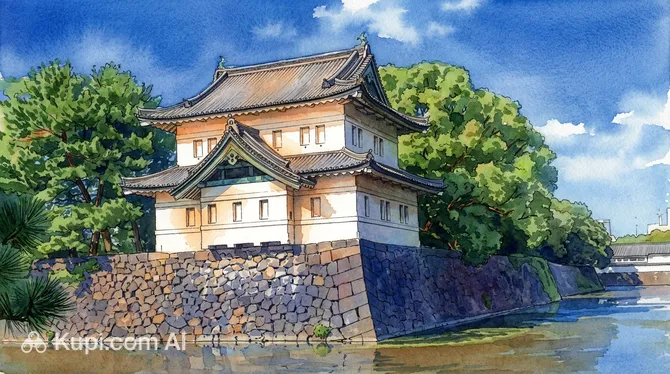
Edo Castle Ruins. Illustration.
Source: Kupi.com AI

Traveler photos:

The main features of the attraction are its cyclopean stone walls and deep, water-filled moats that once made the castle practically impregnable. Among the surviving structures, the foundation of the main tenshu tower, the elegant Fujimi watchtower, and the massive Otemon Gate attract particular attention. This site wonderfully combines the features of an archaeological park and a green oasis, where massive fortifications sit alongside well-manicured lawns.

Visiting the ruins allows you not only to study the intricacies of medieval Japanese architecture but also to enjoy a stunning contrast: ancient stonework and earthen ramparts look spectacular against the backdrop of the glass skyscrapers of the Marunouchi district. With a rating of 4.4 and thousands of positive reviews, this place is deservedly considered a must-see for anyone interested in the history and culture of the Land of the Rising Sun.

Contacts

To ensure your visit to the Edo Castle Ruins in Tokyo is as comfortable as possible, we recommend checking for the latest information on visiting rules in advance. Although the site is a government-run national park, internal regulations or access to specific areas may change depending on the season or official events.

Before your trip, it is advisable to check the official website or contact the park administration by phone. This will help avoid any inconveniences, especially if you plan to combine a walk through the ruins with a visit to the restricted areas of the Imperial Palace.

How to contactContact
Address1-1 Chiyoda, Chiyoda City, Tokyo 100-8111, Япония
Phone+81 3-3213-1111
Websitewww.env.go.jp

What to Do

A walk through the grounds of the Edo Castle Ruins is a kind of meditative journey into the past. Here, you can leisurely explore well-kept paths while admiring the power of the ancient walls, built from giant granite blocks without the use of mortar. Be sure to climb to the foundation of the main tenshu tower: it was once the tallest building in Japan, and today this vantage point offers an impressive view of Tokyo's modern business center.

Photography and architecture enthusiasts should take note of the Otemon Gate and the miraculously preserved Fujimi-yagura turret, which served as the main citadel in its time. The majestic moats, where carp swim lazily, create the perfect backdrop for photos. If you're lucky, you can join one of the free guided tours, where guides reveal the secrets of construction and talk about the clever traps that protected the shogun's residence from enemies.

The complex is beautiful at any time of year: in spring, it is blanketed in soft pink cherry blossom petals, and in autumn, it is painted in the fiery colors of Japanese maples. It is a great place for a quiet break from the city bustle—you can have a small picnic on the grass, do yoga, or simply watch the herons by the water. Its proximity to traditional gardens allows you to combine the exploration of rugged fortifications with the contemplation of rare plants and exquisite landscape compositions.

Getting There

The Edo Castle Ruins are located at 1-1 Chiyoda, Chiyoda City, Tokyo 100-8111, in the very heart of the Japanese capital. Thanks to its central location, getting here by public transport is easy. The main hub is Tokyo Station (JR Yamanote, Marunouchi, Chuo lines), which is a 10–15 minute walk from the main gates. Even closer is Otemachi Station (Mita, Chiyoda lines)—a walk from there takes about 5–10 minutes, while Nijubashimae or Sakurada-mon stations are located practically at the entrance.

If you are traveling from Narita Airport, the most convenient option is the Narita Express train, which will take you to Tokyo Station in about an hour. From popular districts such as Shibuya or Shinjuku, a taxi ride will take 10 to 20 minutes depending on traffic and cost approximately 1,000–2,000 yen. You can also use the Toei Bus city buses running from Nihonbashi.

For those who enjoy walking, a route from Ginza or Asakusa is a great option—the walk along the picturesque castle moats takes about 20–30 minutes. Tourists often choose to rent bicycles or scooters, for which parking is provided at the entrances. Please note that parking for private cars is very limited, so using the well-developed Tokyo metro system remains the most sensible choice. Try to avoid rush hours (7 to 9 AM and 5 to 7 PM) for a more pleasant journey.

Nearest city: Tokyo

History & Facts

The history of this iconic site began in 1457, when the samurai commander Ota Dokan erected a fortress on a strategically important plot near the shores of Tokyo Bay. Over the centuries, the castle passed from one influential clan to another until it became the primary residence of Tokugawa Ieyasu in 1590. Under his leadership, a grand reconstruction began, turning Edo into the center of the Japanese shogunate and one of the most impregnable fortresses of its time.

During the Edo period, the castle was the heart of Japan's political life. Shoguns of the Tokugawa clan ruled here for 15 generations. The city that grew around the castle developed rapidly: by the 18th century, the population of Edo exceeded one million people, making it the largest metropolis in the world at that time. The castle repeatedly faced trials—devastating fires in 1657 and 1772, as well as powerful earthquakes, caused serious damage, but each time the complex was restored, becoming even more fortified.

From 1869, after the fall of the shogunate, the castle grounds officially became the residence of the Japanese monarchs—the Tokyo Imperial Palace. Unfortunately, many original buildings, including the majestic main tenshu tower, were lost due to lightning strikes and fires in the 19th century. Nevertheless, the surviving elements were recognized as national treasures. Today, the ruins serve as a living reminder of Tokyo's incredible transformation from a small fishing village into a modern global hub.

Time Needed

To explore the Edo Castle Ruins without rushing, walk along the massive walls, and examine the surviving foundations, most travelers need between 1.5 and 2.5 hours. This is enough time for a leisurely look at the main gates, the Fujimi turret, and for taking memorable photos against the backdrop of the moats.

If you plan to supplement your itinerary with a visit to the adjacent East Gardens or a full tour of the Imperial Palace grounds, you should budget at least 3–4 hours. Keep in mind that on weekends and during peak tourist seasons (such as the cherry blossom period), the length of your stay may increase due to the larger number of visitors at entrances and popular photo spots.

Working Hours

When planning a visit to the Edo Castle Ruins, it is important to take into account the specific operating schedule of this historic zone. The territory is usually open to the public from Tuesday to Thursday, as well as on Saturday and Sunday, from 09:00 to 16:00. Please note that the complex is generally closed to the public on Mondays and Fridays.

Entrance to the park area remains free, making it accessible to everyone. However, operating hours may change depending on public holidays or ceremonial events held on the Imperial Palace grounds. To ensure your walk around Tokyo isn't cut short by closed gates, we strongly recommend checking the current schedule on the official website before leaving your hotel.

DayWorking hours
MondayЗакрыто
Tuesday09:00–16:00
Wednesday09:00–16:00
Thursday09:00–16:00
FridayЗакрыто
Saturday09:00–16:00
Sunday09:00–16:00

Nearby

A visit to the Edo Castle Ruins can easily be turned into a full cultural day, as the Chiyoda district is literally packed with attractions. Very close by are the Imperial Palace East Gardens, where historical architecture harmoniously blends with traditional Japanese landscape art. This is the perfect place for those who want to see preserved gates and defensive structures surrounded by blooming cherry blossoms or vibrant autumn maples.

If you want to switch from a historical perspective to a modern one, the National Museum of Modern Art, Tokyo is just a few minutes' walk away. A walk along the castle moats can also lead you to the picturesque Nijubashi Bridge or the peaceful Kokyo Gaien National Garden. Exploring these surroundings will allow you to deeper feel the contrast between the ancient samurai heritage and the rapid pace of the modern metropolis.

NameDistance
Tokyo Imperial Palace0.4 km
Nijubashi Bridge0.9 km
Suga Shrine2.8 km
teamLab Borderless3.1 km
The National Museum of Western Art3.6 km
National Museum of Nature and Science3.7 km
Tokyo National Museum3.9 km

Reached the end of the page?

That means the route is fully explored