Support

Ureshino

About

Ureshino is a charming town nestled on the island of Kyushu, in Saga Prefecture. It is famous for its peaceful atmosphere, picturesque hills covered with emerald tea plantations, and, of course, its healing thermal springs. This is a place where tradition and modernity harmoniously intertwine, creating the unique flavor of authentic Japan.
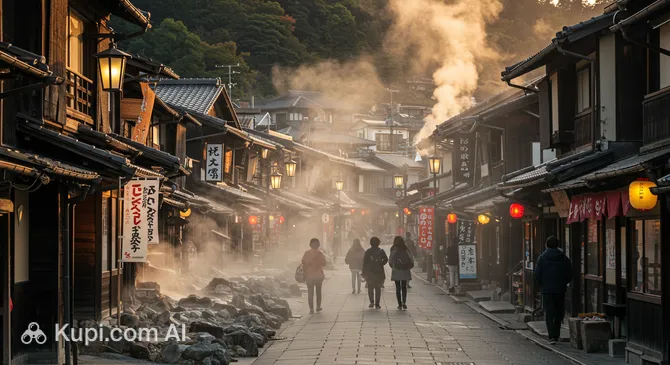
Ureshino. Illustration.
Source: Kupi.com AI

The town is located in an area with a unique microclimate, ideal for growing the famous Ureshino green tea and maintaining the thermal springs known as onsen. With a population of about 25,593 people, Ureshino retains the warmth and hospitality of a small settlement where every traveler feels like a welcome guest. Century-old customs are honored here, and local legends are shared with love.

The key attractions of Ureshino that draw tourists from all over the world are its famous onsen. Their water is considered particularly beneficial for the skin, earning them the nickname "bihada-no-yu" – "water for beautiful skin." Beyond health treatments, Ureshino offers the opportunity to enjoy the taste and aroma of local green tea grown on nearby plantations. Strolls through historical streets, visits to tea houses, and getting to know traditional crafts will complete your impressions of this amazing place.

If you are looking for a peaceful holiday, want to restore your strength, immerse yourself in authentic Japanese culture, and enjoy harmony with nature away from the bustle of metropolises, Ureshino will be the ideal choice for you. This town seems created for leisurely contemplation and discovering the true soul of the Land of the Rising Sun.

You can find more interesting facts on the history of Ureshino page.
Weather Overview

The weather in Ureshino is characterized by a distinct change of seasons. Summer, especially from June to August, is warm here, with average temperatures reaching 23-28°C. Winters, from December to February, are quite cool, with the average temperature staying around 7-8°C. In general, Ureshino is characterized by warm summers with occasional rain and cool, relatively dry winters.

The hottest month is August, when the average temperature is 28.1°C, and maximum values can exceed 30°C. The coldest month is January, with an average temperature of 7.0°C. The highest amount of precipitation falls in July (11 mm), which also features the largest number of rainy days (averaging 20). Spring and autumn please with moderate and comfortable temperatures. You will find more detailed information about weather conditions on the Ureshino Climate page.

Average monthly temperature

Average monthly precipitation

Interesting Facts

In addition to its famous hot springs and picturesque tea plantations, Ureshino hides many amazing stories and unique traditions. Ready to learn some little-known facts about this charming corner of Japan?

  • It was in Ureshino that the famous Japanese green tea variety, Ureshino-cha, was first produced, distinguished by its delicate taste and subtle aroma. The city's tea plantations are considered some of the oldest in the country, and Ureshino is rightfully called the "tea capital" of the region.

  • Ureshino is one of the few places in Japan where water from hot springs is used not only for bathing but also for preparing a unique dish — "onsen tofu." It is believed that the mineral water gives the tofu a special tenderness and unique flavor.

  • The city is inextricably linked to the legend of the goddess Toyotamahime. Her sanctuary, the Toyotamahime Shrine, is an important spiritual center and attracts pilgrims who believe in its special power.

  • The traditional district of Shiotatsu-no-Machinami (Shiotatsu Townscape) has been preserved in Ureshino, where you can immerse yourself in the atmosphere of the Edo period. Walking along its narrow streets among ancient houses, it's easy to imagine how merchants and tea masters lived here centuries ago.

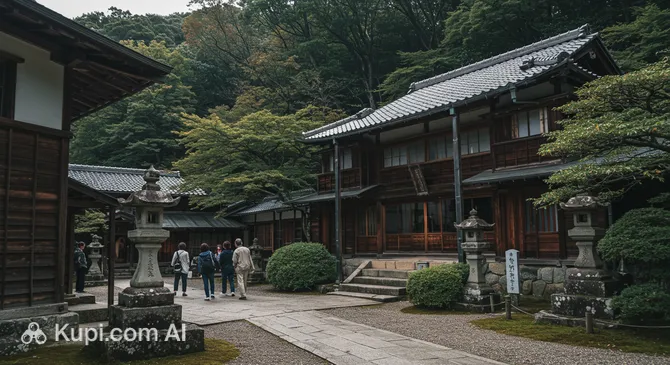
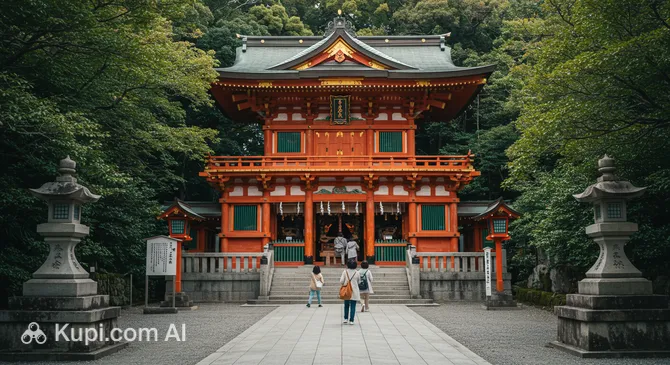
Toyotamahime Shrine. Illustration.
Source: Kupi.com AI

Traveler photos:

How to Get There

Ureshino, located in the picturesque Saga Prefecture, attracts travelers with its hot springs and tea plantations. When planning a trip, it is important to think about the route in advance. You can find out all the ways to get to the city to choose the most convenient option for you, whether it be by plane, train, or bus.

The closest airport to Ureshino is Nagasaki Airport (NGS). It is located in the city of Nagasaki, approximately 21.5 km from the center of Ureshino. This is a convenient airport that handles both domestic and some international flights. The trip by taxi or car from here will take less than an hour, making it an excellent choice for those who value time.

Another convenient option is Saga Airport (HSG), located in the city of Saga at a distance of about 29.9 km. This is a regional hub that is often less crowded, allowing for faster processing of all formalities upon arrival. The path to Ureshino from here also doesn't take much time.

For those looking for more international flight options, the major Fukuoka Airport (FUK) in the city of Fukuoka is suitable. It is located about 69 km from Ureshino but offers the widest selection of flights and excellent transport accessibility. A trip by car or bus from here will take about an hour and a half to two hours.

For clarity, here is summary information on the main airports in the region:

AirportPassenger trafficDistance
Nagasaki Airport3.1 mln22 km
Saga Airport600 58230 km
Fukuoka Airport24.9 mln69 km
Amakusa73 06570 km
Iki Airport64 25874 km

As for land transport, Ureshino has a developed infrastructure. Travelers can use the rail connection: a high-speed train line (Shinkansen) operates in the region, connecting key cities in Kyushu. Comfortable intercity buses are also popular, running from Fukuoka and Nagasaki airports directly to the Ureshino hot springs. This allows you to easily reach the resort while enjoying views of the Japanese countryside along the way.

Main Attractions

Ureshino, a cozy town in Saga Prefecture, is famous not only for its healing hot springs but also for several interesting attractions that attract tourists with their uniqueness and cultural significance.

One of the most exciting stops for visitors is the Hizen Yumekaido Ninja Village. This is a theme park where you can dive headfirst into the world of mysterious Japanese warriors. Guests can expect fascinating shows, demonstrations of martial arts, the opportunity to try their hand at throwing shurikens, and learn a lot about the life and training of ninjas. This place will be of interest to both history and Japanese culture buffs and families with children looking for interactive entertainment.

Hizen Yumekaido Ninja Village. Illustration.
Source: Kupi.com AI

Traveler photos:

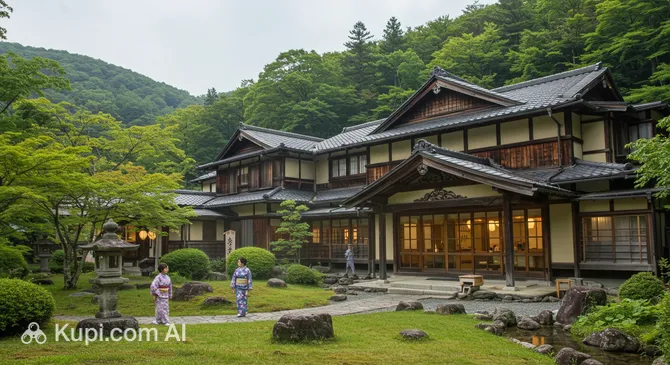
For those who seek complete immersion in the traditional Japanese atmosphere and want to experience Ureshino's famous onsens for themselves, the Wataya Besso is worth noting. This is not just a ryokan (a traditional Japanese inn), but a true oasis of tranquility with magnificent hot springs and beautiful gardens. Even if you are not staying overnight, visiting its onsen (often available for day visits) or a walk through the well-kept grounds will provide unforgettable impressions and allow you to touch the high art of Japanese hospitality.

Wataya Besso. Illustration.
Source: Kupi.com AI

Traveler photos:

An equally noteworthy place is the Toyotamahime Shrine. This Shinto shrine is dedicated to the goddess Toyotama-hime, who, according to legend, patronizes beauty and smooth skin — which is very symbolic for a city famous for its "onsens for beautiful skin." Visitors come here to pray for health and beauty, as well as to enjoy the peaceful and spiritual atmosphere of this place.

Toyotamahime Shrine. Illustration.
Source: Kupi.com AI

Traveler photos:

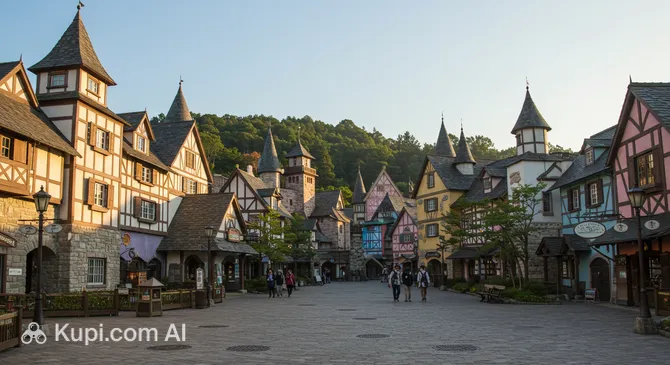
If you are traveling with children or simply want to add a bit of a fairy tale to your trip, stop by Marchen Village. This charming theme park is based on European fairy tales. Here you can stroll through picturesque streets, meet familiar characters, ride the attractions, and take many bright photos. It is an excellent place for a family holiday and creating magical memories.

Marchen Village. Illustration.
Source: Kupi.com AI

Traveler photos:

Local Cuisine

The gastronomic scene in Ureshino will pleasantly surprise you with its authenticity and unique flavors. The hallmark of the city is, without a doubt, Ureshino tofu. it is prepared using water from the local hot springs, which is rich in minerals, giving the tofu an incredibly delicate, almost creamy texture — it literally melts in your mouth. This dish is often served in traditional Japanese inns (ryokans) and is a must-try item.

Another gastronomic symbol of Ureshino is the famous green tea. It is not only drunk here, enjoying the rich aroma and taste, but is also actively used in cooking. You can try ice cream, desserts, noodles, and even some main dishes infused with local tea. A walk through the tea plantations with the opportunity to taste freshly picked tea will be a real treat for foodies.

The food culture in Ureshino offers a variety of options. Locals and tourists can enjoy dishes in cozy family cafes, traditional restaurants, or explore street markets where you can find seasonal delicacies: fresh vegetables, pickled snacks, fish, and seafood dishes. Rice and bean paste-based sweets occupy a special place, as do various pastries with tea and, of course, Japanese matcha ice cream.

Shiibasanso. Illustration.
Source: Kupi.com AI

Traveler photos:

To get acquainted with local cuisine in a restaurant setting, you can visit, for example, Shiibasanso, which offers dishes reflecting the culinary traditions of the region. It's also worth paying attention to establishments like the Kureyon Home Burger Diner if you want something more familiar but with a local twist.

Throughout the year, Ureshino often hosts tea festivals and gastronomic celebrations. Participating in such events is a great opportunity not only to try the region's best dishes but also to take part in masterclasses on making traditional tofu or the art of brewing tea. A trip to Ureshino promises to be a real feast of taste and provide unforgettable gastronomic impressions.

Travel Tips

Welcome to the charming city of Ureshino! To make your journey through this corner of Japan as comfortable and memorable as possible, we have prepared some practical tips. By following them, you will be able to avoid minor inconveniences and fully enjoy the hospitality and beauty of Ureshino.

  1. Clothing and Essentials:

    The climate in Ureshino, as in Kyushu as a whole, is temperate, with four distinct seasons. In summer (June-August), choose light, breathable clothing; don't forget an umbrella or raincoat, especially at the beginning of summer. In spring (March-May) and autumn (September-November), the weather is most pleasant — layered clothing will come in handy. In winter (December-February), it can be chilly, so warm clothes, including a jacket, hat, and gloves, are essential. Comfortable shoes are your best friend for walks around the city and its surroundings. Since Ureshino is famous for its onsens (hot springs), bring swimwear, though much is usually provided on-site. For visiting temples and some traditional establishments, choose modest clothing and be prepared to remove your shoes. Don't forget an adapter for electrical appliances (Japan uses Type A and B sockets, 100 V voltage).

  2. Transport in the City:

    Ureshino is a small city, so you can get around it on foot or by bicycle, which will allow you to better feel its atmosphere. For longer trips or if you are tired, you can use local buses — check routes and schedules on tourist information stands or at your hotel. Taxis are also available but can be more expensive. Renting a car may be worthwhile if you plan to actively explore Saga Prefecture, but for Ureshino itself, it is not always necessary. Remember that renting a car in Japan requires an international driving permit.

  3. Finances:

    The official currency is the Japanese yen (JPY). It is recommended to have a sufficient amount of cash with you, as not all small shops, restaurants, and ryokans (traditional inns) in Ureshino may accept credit cards. It is better to exchange currency at the airport upon arrival or at banks in large cities. In Ureshino, exchange opportunities may be limited. ATMs that accept international cards can most often be found in post offices (Japan Post Bank) and in 7-Eleven convenience stores. Tipping is not practiced in Japan and may be perceived as an insult; good service is already included in the bill.

  4. Health and Safety:

    Japan is one of the safest countries in the world, and Ureshino is no exception. Follow normal precautions: keep an eye on your belongings and do not leave them unattended. Pharmacies (look for the sign 薬 - kusuri) are in the city, but pharmacists may not speak English, so it is useful to have a list of necessary medications with international names or a translation into Japanese. For serious medical help, contact your hotel for assistance or find out the addresses of the nearest clinics in advance. Having travel medical insurance is highly recommended.

  5. Communication:

    The main language in Ureshino, as in all of Japan, is Japanese. The level of English proficiency among the local population may be low, especially outside of tourist sites. Learn a few basic Japanese phrases: "konnichiwa" (hello), "arigato" (thank you), "sumimasen" (excuse me/sorry). For convenience of connection, we recommend renting a pocket Wi-Fi router or purchasing a tourist SIM card upon arrival at the airport. Free Wi-Fi may be available in some hotels, cafes, and tourist information centers.

  6. Local Etiquette:

    Japanese people are very polite and value a respectful attitude toward their traditions. When greeting, it is customary to bow; the degree of the bow depends on the situation. Remove your shoes before entering private homes, temples, some traditional restaurants, and ryokans (pay attention to special shoe shelves). In onsens, before dipping into the shared bath, it is necessary to wash thoroughly in designated areas. Do not talk loudly on public transport and other public places. Eating on the go is not encouraged, except in special areas at festivals.

  7. What to Avoid:

    Never stick chopsticks vertically into rice — this is associated with funeral rituals. It is not customary to point at people or objects with one finger; use your whole palm for this. Try not to blow your nose loudly in public; it's better to go to the restroom. Do not pass food from chopsticks to another person directly into their chopsticks; this is also related to funeral rites.

  8. Special Tip for Ureshino:

    Ureshino is famous for its magnificent green tea (Ureshino-cha) and healing hot springs (onsens). Be sure to set aside time to visit one of the tea plantations or shops where you can try and purchase local tea. And, of course, do not miss the opportunity to relax in one of the many onsens — this is not just a procedure, but an important part of Japanese culture and the hallmark of Ureshino.

We hope these tips help you better prepare for your trip and get the most out of your stay in Ureshino. We wish you an unforgettable journey!

Entertainment & Nightlife

In the evening, Ureshino offers its guests a special atmosphere of tranquility and coziness, characteristic of Japanese onsen resorts. Instead of noisy nightclubs and lively districts, you will find opportunities for relaxing rest and pleasant pastimes. The main evening ritual for many is visiting local onsens, where you can wash away the fatigue of the day and enjoy the healing waters. There are no specific streets or quarters buzzing with nightlife until morning in Ureshino; the town encourages a more measured pace of rest.

The main focus of evening life in Ureshino is on gastronomy. The town offers many restaurants where you can enjoy both local and international cuisine in a pleasant setting. For example, you can visit the Shiibasanso restaurant to try exquisite dishes, or stop by the Kureyon Home Burger Diner for a more casual dinner. Prices in Ureshino restaurants can vary: you can find both affordable cafes and diners as well as mid-range and high-end restaurants, especially at traditional ryokan inns. Many establishments take pride in using fresh local products, which makes dinner particularly memorable.

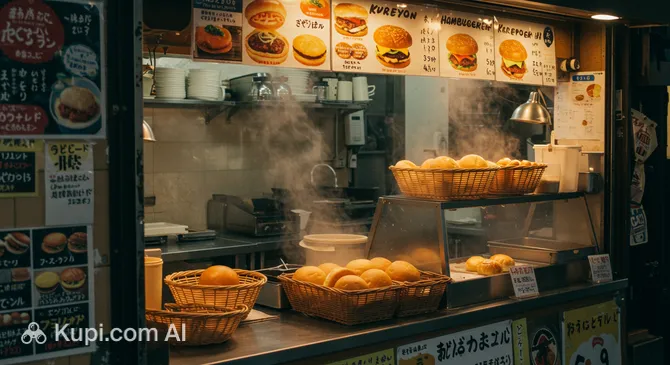
Kureyon Handmade Hamburger Shop. Illustration.
Source: Kupi.com AI

Traveler photos:

In addition to restaurants, you can find traditional Japanese drinking establishments in Ureshinoizakayas. These are great places to try sake or shochu with a variety of appetizers in an authentic Japanese atmosphere. The crowd here is usually local along with tourists seeking quiet conversation. The atmosphere in such places is friendly and relaxed. A dinner in an izakaya is usually inexpensive and offers an excellent price-to-quality ratio. You are unlikely to find large nightclubs with loud music and dancing until morning in Ureshino; the city is more suited for leisurely evening relaxation.

When planning your evening leisure, keep in mind that most restaurants and izakayas work until late evening, but not deep into the night as in large metropolises. There is usually no specific dress code; a neat casual style is welcomed. For getting around the city after dark, it is most convenient to use taxi services. Japan as a whole is a very safe country, and Ureshino is no exception, so evening walks here are pleasant and safe, though it is always worth following basic precautions.

During the day, Ureshino offers other interesting leisure options. You can immerse yourself in history by visiting the Hizen Yumekaido Ninja Village, or enjoy a stroll through the picturesque Marchen Village. These places allow you to better understand the culture and traditions of the region.

Parks & Museums

Ureshino, known for its healing onsens and tea plantations, offers guests not only a relaxing holiday but also an introduction to its rich cultural heritage and picturesque natural corners. Everyone will find something for the soul here: from quiet parks to fascinating themed villages and ancient shrines.

For nature lovers, Ureshino has prepared several wonderful places. One of these is Todoroki-no-Taki Park, surrounding the waterfall of the same name. This is a beautiful place for walks where you can enjoy the sound of water and the freshness of the forest. No less attractive are the walks along the Ureshino River, whose banks are especially beautiful in spring during the cherry blossom season. The endless tea plantations covering the surrounding hills add a special charm to the town — they are not just agricultural land, but an integral part of the landscape and culture of the region, offering magnificent views and photo opportunities.

The main place for immersion in the history and culture of the region is the Hizen Yumekaido Ninja Village. This unique open-air museum recreates the atmosphere of the Edo period and allows visitors to learn about the life and art of ninjas through interactive exhibits, performances, and even the opportunity to try on a shadow warrior costume. It is an exciting adventure for both children and adults interested in Japanese history.

Hizen Yumekaido Ninja Village. Illustration.
Source: Kupi.com AI

Traveler photos:

Among other significant cultural and historical sites in Ureshino is the Toyotamahime Shrine. This ancient Shinto shrine is dedicated to the goddess Toyotama-hime, who, according to legend, grants beauty to the skin. People come here not only for spiritual peace but also to touch local legends. Its calm atmosphere and beautiful architecture make it an important point on the city map.

Toyotamahime Shrine. Illustration.
Source: Kupi.com AI

Traveler photos:

For those looking for lighter and more whimsical entertainment, Marchen Village is an interesting place. This is a theme park inspired by European fairy tales, offering rides and entertainment for the whole family. While it is not a traditional museum, the village is a popular holiday destination and offers a look at another side of leisure in Ureshino.

Ureshino's architectural heritage also deserves attention, especially the traditional ryokans (Japanese inns). Some of them, such as Wataya Besso, are examples of exquisite Japanese architecture and are often surrounded by beautiful gardens. Visiting such places or even just walking past gives an idea of the traditional way of life and aesthetics.

To feel the atmosphere of Ureshino more deeply, turn off the main tourist routes. Pop into one of the many local tea shops to try and purchase the famous Ureshino tea directly from the producers. And after a long walk, there is nothing better than relaxing your feet in one of the free public "ashiyu" foot baths scattered around the city — an authentic local experience.

Getting Around

You can get around Ureshino and its surroundings in several ways, although, given the size of the town, the public transport system here is not as extensive as in major cities. The main form of public transport is buses. They connect the key points of the city, including onsens, hotels, and the train station (if it serves the city directly or is located at the nearest accessible point).

The bus fare system in Japan, and Ureshino is no exception, usually involves several options. You can pay the fare in cash when boarding or exiting the bus (depending on the system adopted by the specific carrier, often when exiting, after taking a ticket with a zone number upon entry). Also, rechargeable IC transport cards (for example, Suica, Pasmo, ICOCA, and other regional equivalents) are widely used in many regions of Japan. Check locally whether national cards are accepted or if only local ones work. There may not be specialized tourist passes specifically for Ureshino city transport, but there may be regional passes covering a wider area of Saga Prefecture.

Tourists should pay attention to the bus schedule, as in small towns they may not run very often, especially in the evening and on weekends. Schedules are usually available at stops and sometimes on the websites of local transport companies (often in Japanese). Single-trip tickets are purchased directly on the bus. If you use an IC card, don't forget to tap it against the validator when boarding and when exiting (if required for calculating zone-based fares).

As an alternative to public transport, taxis are always available in Ureshino. They can be found at stands near stations or called by phone. For more independent movement, especially if you plan to explore the surroundings, you could consider renting a car. In tourist zones, especially in onsen towns, bicycle rental is popular, which can be an excellent way to leisurely get to know Ureshino and its picturesque corners. Given Ureshino's specificity as a hot spring resort, some hotels may offer shuttles for their guests.

Accommodation

In Ureshino, known for its hot springs, travelers will find a variety of accommodation options to suit different preferences and budgets. The town offers a wide choice from traditional Japanese inns (ryokans) with their own onsens to more modern hotels and guest houses.

Many tourists prefer staying in ryokans to fully enjoy the atmosphere of Japanese hospitality and the healing properties of the local waters. Such inns are often located in picturesque areas, close to the springs or with beautiful views. Mid-range hotels and more budget-friendly options offering comfortable stays are also available. Although the provided list of attractions does not include specific hotels, Ureshino is famous for its ryokans, which often become the main purpose of a trip.

Regarding districts, the most popular ones are those in the immediate vicinity of Ureshino's famous onsens. Staying here allows for easy access to public baths and enjoying walks through the town's charming streets. Some ryokans offer a transfer from the train station, which is also a convenient factor when choosing a place to stay.

When planning a trip to Ureshino, especially during peak season or on weekends, it is recommended to book accommodation in advance. This guarantees you the best selection and prices. The price range varies from budget options to luxury ryokans with full board and exclusive services. You can book accommodation through popular online platforms or directly on the websites of hotels and ryokans, which sometimes allows you to get special offers.

Nearby Cities

For those who want to explore the surroundings, Ureshino serves as an excellent starting point for day trips to several interesting nearby places:

Among them, Sasebo deserves special attention, known for its impressive Dutch-style theme park Huis Ten Bosch and the picturesque Kujukushima Islands, ideal for boat trips. Isahaya attracts lovers of peaceful rest with its Isahaya Park, home to the famous stone arch bridge Meganebashi, and the chance to get closer to the region's nature. And the city of Saga, the prefecture's capital, offers an immersion into history thanks to Saga Castle and the vast Yoshinogari Archaeological Park, where an ancient settlement has been reconstructed.

CityPopulationDistance
Hasami14 3329 km
Takeo47 68111 km
Kawatana13 37012 km
Arita18 86718 km
Imari52 69421 km

These nearby destinations provide insight into the diverse culture and landscapes of the region, complementing the impressions of visiting Ureshino.

Shopping & Souvenirs

Shopping in Ureshino is primarily an immersion into the world of local traditions and unique goods, rather than a chase after global brands. The town is famous for its excellent green tea, handmade crafts, and products related to onsen culture. Here you will find many small shops and stalls offering authentic souvenirs and delicacies that will be a pleasant reminder of your trip to Japan.

In Ureshino, there are no huge shopping avenues like in metropolises. Most trade activity is concentrated along the city's central streets, especially in areas adjacent to the onsens and popular ryokans. Strolling through the town, you will discover cozy shops where you can purchase local goods. Souvenir shops are also often found at tourist sites.

You are unlikely to find large modern shopping centers in the traditional sense in Ureshino. The charm of shopping here lies exactly in the intimacy and uniqueness of the small private stores. Some large ryokans, such as Wataya Besso, may have their own souvenir departments with a good selection of local goods.

While there may not be large, bustling markets typical of major cities in Ureshino, you can sometimes come across small local fairs or farmer's stalls selling fresh seasonal products and local artisan crafts. This is a great opportunity to buy something truly fresh and authentic.

The main souvenir from Ureshino is, without a doubt, the famous local green tea (Ureshino-cha). Pay attention to its various varieties and packaging. Also popular are items related to onsens: bath salts, cosmetics based on thermal water, and towels. For gifts, you might consider local ceramics, traditional sweets (for example, with tea or adzuki), and small handmade items. In souvenir shops at attractions such as the Hizen Yumekaido Ninja Village, Marchen Village, or the Toyotamahime Shrine, you can find themed souvenirs and traditional Japanese amulets (omamori).

Most shops in Ureshino are usually open from 10:00 or 11:00 in the morning until 18:00 or 19:00 in the evening. Small family shops may have more flexible hours and a day off during the week. Although credit cards are accepted in many hotels and some larger shops, it is recommended to have a sufficient amount of cash with you, especially for purchases in small shops and markets.

For foreign tourists in Japan, there is a tax refund system (Tax Free Shopping). Look for shops with the corresponding "Tax Free" logo. Usually, to process a tax refund, you need to make a purchase of a certain amount (most often over 5,000 yen) in one store on the same day and present your passport. Clarify the conditions directly at the points of sale.

Reached the end of the page?

That means the route is fully explored