Support

Arita

About

Arita is a charming town nestled among the lush green hills of Kyushu, in Saga Prefecture. This town in Japan is the true heart of the country's porcelain-making region. Arita is surrounded by picturesque mountains, and its special atmosphere is created not only by natural beauty but also by ancient streets steeped in a creative spirit and rich history.
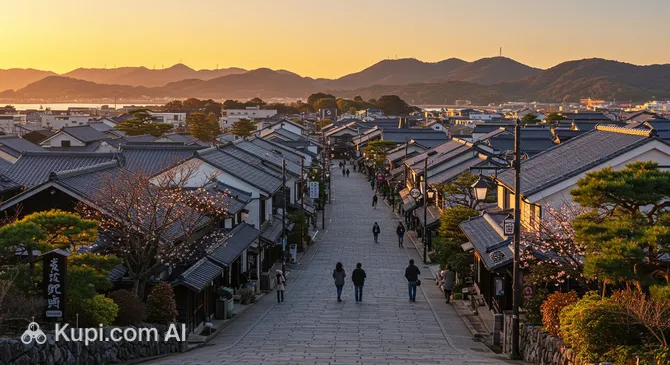
Arita. Illustration.
Source: Kupi.com AI

With a population of about 19,000, Arita wonderfully combines the coziness of a small settlement with global significance. Despite its modest size, the city is rightfully considered one of the world's leading centers of ceramic art. A special, measured pace of life reigns here, filled with the creative energy radiated by numerous workshops, art galleries, and shops selling unique ceramic products.

The main draws for tourists in Arita are, undoubtedly, its porcelain heritage. A visit to the famous Arita Porcelain Park is a must, where you can not only see ceramic masterpieces but also learn about the history of their creation. Equally interesting are the ancient temples that blend harmoniously into the cityscape, as well as the numerous pottery workshops where you can observe masters at work and even try your hand at this art.

Arita is worth visiting for anyone who values authenticity and seeks to immerse themselves in a unique atmosphere where an ancient craft has turned into high art. It is a place where the past and present are harmoniously interwoven in every exquisite porcelain piece, and hospitable locals are happy to share their secrets of craftsmanship. Arita is an ideal destination for leisurely walks, where time seems to slow down, allowing you to enjoy every moment, whether it's meeting talented artisans or participating in unique cultural events.

You can find more interesting facts on the Arita city history page.
Weather Overview

The climate in Arita is characterized by warm, humid summers and cool, drier winters. Summer months, especially July and August, bring average temperatures around 27-28°C, while maximum values can reach 30°C and above. This period also sees the highest rainfall, particularly in July, with about 10 mm and up to 20 rainy days. Winter, from December to February, is cooler, with average temperatures around 7-8°C and minimum temperatures dropping to 4-6°C. Precipitation in winter is less abundant, amounting to about 2-3 mm per month.

Spring and autumn offer mild and comfortable conditions. In March-May, the temperature gradually rises from 11°C to 19°C, and in September-November, it decreases from 25°C to 14°C. Rainfall during these transitional seasons is moderate. Overall, expect a warm summer with occasional rain and cool, relatively dry winters. For more detailed information, check the detailed forecast: Arita Climate.

Average monthly temperature

Average monthly precipitation

Interesting Facts

In addition to its global fame as the cradle of Japanese porcelain, Arita holds many fascinating stories and unique features that don't always make it into standard guidebooks. The city that gave the world exquisite ceramic products is itself a true treasure trove of interesting details.

Arita Sera. Illustration.
Source: Kupi.com AI

Traveler photos:

  • In Arita, there is a unique Shinto sanctuary called Tozan-jinja, which is remarkable because its torii gates and other decorative elements are made of porcelain. It is the only temple of its kind in Japan where this fragile material has become an integral part of sacred architecture, symbolizing the city's deep connection to the art of pottery.

  • In the 17th century, when political instability in China led to a temporary halt in Chinese porcelain exports, it was Arita that managed to fill this important niche in the European market. Arita products, exported through the port of Imari, became so popular thanks to the Dutch East India Company that the terms "Imari" and "Arita" became synonymous with high-quality Japanese porcelain in Europe.

  • Although Arita is known as the birthplace of Japanese porcelain, the secret of its production was actually brought by Korean potters in the early 17th century. Legend has it that one of them, Yi Sam-pyeong, discovered rich deposits of kaolin (porcelain clay) on Mount Izumiyama, which allowed for the first production of true porcelain in Japan.

  • Every year during Golden Week (late April to early May), Arita transforms, hosting one of the largest ceramic fairs in Japan – the Arita Toki-ichi. During these days, the city's streets are filled with hundreds of stalls offering everything from priceless antiques to modern artisan works, attracting more than a million enthusiasts and collectors from all over the world.

How to Get There

When planning a trip to this picturesque corner of Saga Prefecture, it is important to think through your route in advance and find out how to get to Arita in the most comfortable way. The town has good transport accessibility, and the choice of the best path depends on your starting point and preferences.

Since the town of Arita itself does not have its own airport, most travelers arrive via nearby major aviation hubs. The most popular option for international tourists is Fukuoka Airport (FUK). It is one of Japan's busiest airports, handling many flights. It is located about 70 km from Arita, and you can get there by direct train or rented car.

Geographically, Nagasaki Airport (NGS) is the closest—only 33 km away. This is an excellent choice if you plan to rent a car, as the drive will take just over an hour. It is also worth considering the regional Saga Airport (HSG), located 43 km away. It is convenient for domestic flights and offers bus connections to the nearest railway stations.

Below is summary information for the nearest airports:

AirportPassenger trafficDistance
Nagasaki Airport3.1 mln33 km
Saga Airport600 58243 km
Iki Airport64 25860 km
Fukuoka Airport24.9 mln70 km
Amakusa73 06586 km

The railway connection is perhaps the most convenient and scenic way to get to the town. Arita Station is located on the JR Sasebo Line. Trains from major cities on the island of Kyushu run here regularly. Especially popular are the "Midori" and "Huis Ten Bosch" limited express trains, which depart from Hakata Station in Fukuoka. A ride on such an express takes about 1 hour and 20 minutes and passes through beautiful natural landscapes. For holders of the Japan Rail Pass, this route is fully covered, making the trip even more cost-effective.

Main Attractions

The town of Arita, known as the cradle of Japanese porcelain, offers travelers a unique opportunity to immerse themselves in a world of fine art and centuries-old traditions. Here, every street breathes history, and ceramic workshops guard the secrets of creating world-famous products.

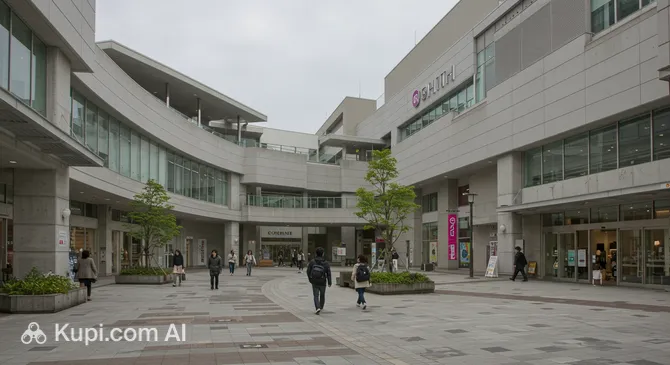
One of the main centers of attraction for ceramic enthusiasts is Arita Sera. This is not just a shopping complex, but a real city within a city, bringing together many shops and galleries under one roof that represent the products of various Arita manufacturers. You can find everything here, from classic dinner sets to modern designer pieces, as well as unique souvenirs to remember your trip.

Arita Sera. Illustration.
Source: Kupi.com AI

Traveler photos:

For those who want to better understand the history and diversity of the region's ceramic art, a visit to the Kyushu Ceramic Museum is essential. Its extensive exhibition features not only Arita porcelain masterpieces but also ceramics from all over the island of Kyushu, including ancient artifacts and works by contemporary masters. The museum offers a fascinating journey through centuries of pottery making.

Located near the city center is Tozan Shrine (Tōzan-jinja), a landmark site for Arita. This Shinto shrine is unique because its torii gate and several other elements are made of porcelain—a tribute to the town's main craft. The shrine is dedicated to Yi Sam-pyeong (Ri Sampei), a Korean potter considered the founder of porcelain production in Arita, and serves as a symbol of gratitude and respect for his legacy.

To experience the authentic atmosphere of old Arita, take a stroll through the Uchida-Sarayama Historic District. This area has preserved its traditional layout with narrow streets, old houses, and active pottery workshops, many of which have passed their art down through generations. Here, you can watch masters at work, visit small galleries, and feel the spirit of the time when the first porcelain items were created.

Local Cuisine

The gastronomy of Arita is not just food, but a true art form, closely interwoven with the centuries-old traditions of producing the famous Arita porcelain. Every meal here turns into an aesthetic pleasure, as dishes are served exclusively on exquisite local ceramics, emphasizing the beauty and freshness of the ingredients.

Be sure to try dishes made from the freshest seafood that Saga Prefecture is famous for. Of particular note is the sashimi, served on wafer-thin handmade porcelain plates—this is the signature of the local cuisine. Also popular are dishes made from seasonal vegetables, rice, and shiitake mushrooms, which are prepared with great respect for the natural taste of the products. Local restaurants often specialize in seasonal menus, offering guests the best that nature can provide at a particular time of year.

While walking around Arita, stop by the farmers' markets, where you can discover a variety of local delicacies: from fresh vegetables and mushrooms to traditional Japanese pickles and rice flour sweets. Don't pass by the street stalls offering popular snacks such as onigiri (filled rice balls) and yakitori (chicken skewers). You can also find original desserts whose shape and painting are inspired by the famous Arita porcelain.

As for drinks, in Arita, as throughout Japan, you will be offered various types of green tea, which perfectly complement any meal. Regarding alcoholic beverages, pay attention to the local sake, which can also be served in elegant ceramic vessels created by local masters.

Food culture in Arita is centered around restaurants that serve meals on local porcelain and farmers' markets. A special atmosphere prevails during the Ceramic Fair, when thematic cafes appear on the city streets, offering dishes based on ancient recipes. In search of gastronomic souvenirs or places to eat, you can check out Arita Sera, where restaurants and shops offering local products are often located.

Arita Sera. Illustration.
Source: Kupi.com AI

Traveler photos:

The gastronomic scene of Arita is unique for its close fusion of culinary arts and ceramic arts. This is a place where the freshness and seasonality of products are valued, and the presentation of dishes is elevated to the level of art. A visit to Arita will give you not only culinary discoveries but also deep aesthetic pleasure, leaving vivid memories of the harmony of taste and beauty.

Travel Tips

Welcome to Arita, a charming town with a rich history of Japanese porcelain! To ensure your journey to this unique corner of Japan goes smoothly and leaves only pleasant impressions, we have prepared some practical tips for you.

  1. Clothing and Essentials:

    The climate in Arita is temperate, with four distinct seasons. In summer (June-August), bring light, breathable clothing. In spring (March-May) and autumn (September-November), layered clothing and a light jacket will be useful. In winter (December-February), dress warmly and don't forget a jacket, hat, and gloves. The key wardrobe item is comfortable shoes, as you will be doing a lot of walking while exploring the streets and workshops. Don't forget an adapter for electrical appliances (in Japan, Type A sockets with two flat parallel pins are used). When visiting temples and shrines, choose modest clothing that covers shoulders and knees.

  2. Transport in Arita:

    Arita is a small town, and many of its attractions, especially in the central part, can easily be explored on foot. To travel longer distances, you can use local buses, but it's worth checking their schedules in advance. Taxis are available but can be quite expensive. If you plan to explore the surrounding Saga Prefecture, renting a car may be a good option (an international driving permit is required), but note that parking in Arita itself may be limited.

  3. Finance and Payments:

    The official currency is the Japanese Yen (JPY, ¥). It is recommended to exchange money at the airport upon arrival or at banks in major cities before traveling to Arita, as the number of exchange points in the town itself may be limited. Credit cards are accepted in hotels, large stores, and some restaurants, but cash remains the preferred method of payment in many small shops, workshops, and cafes. International cards usually work at Japan Post Bank ATMs (in post offices) and at 7-Eleven convenience stores. Tipping in Japan is not practiced and may be perceived as a misunderstanding.

  4. Health and Safety:

    Arita, like Japan as a whole, is considered a very safe place for tourists. Observe basic precautions: keep an eye on your belongings and be careful in crowded places. Pharmacies (marked as "drugstore" or 薬) sell over-the-counter medicines, but staff may not always speak English. It is highly recommended to take out travel medical insurance before your trip. In emergencies, seek help at your hotel reception or call 119 (ambulance/fire service).

  5. Language and Communication:

    The official language is Japanese. In tourist areas and hotels, staff may speak English, but overall English proficiency in small towns like Arita may be low. Learn a few basic Japanese phrases: "konnichiwa" (hello), "arigato" (thank you), "sumimasen" (excuse me/sorry)—it will be very helpful in communication. For convenience, consider purchasing a tourist SIM card or renting a pocket Wi-Fi device at the airport. Free Wi-Fi is available in some hotels and public places.

  6. Local Etiquette and Traditions:

    Japanese people are very polite and value respect for traditions. A slight bow is the common form of greeting. Always remove your shoes before entering private homes, traditional restaurants (where you sit on tatami), temples, and ryokans (traditional inns). In public places, especially on transport and in temples, try to speak quietly and not disturb those around you. Avoid eating and drinking while walking on the street unless it is in a specially designated area.

  7. What to Avoid:

    To avoid offending locals and awkward situations, keep a few things in mind. Never stick your chopsticks vertically into a bowl of rice—this is part of a funeral ritual. It is also considered impolite to point at people or objects with your index finger; use an open palm instead.

  8. Special Tip for Arita: Immerse yourself in the world of ceramics!

    Arita is the heart of Japanese porcelain, known as "Arita-yaki." Be sure to set aside time to visit the Kyushu Ceramic Museum and stroll through the Uchiyama historic district of pottery workshops, where you can find unique items and even watch the masters at work. Many studios offer ceramic painting workshops—a great chance to create your own souvenir. If your trip coincides with the annual Spring Ceramic Fair in Arita (usually in late April to early May), don't miss the chance to attend this grand event.

We hope these tips help you better prepare for your trip and fully enjoy the unique atmosphere of Arita, its art, and the hospitality of the local people. Enjoy your trip!

Entertainment & Nightlife

Arita is a small but world-renowned town in Japan, where the concept of "nightlife" has its own special, traditional flavor. You won't find noisy nightclubs with neon signs or large-scale discos typical of Tokyo or Osaka here. Evening leisure in Arita is primarily about immersion in gastronomic culture, relaxed rest in local establishments, and enjoying the silence of the Japanese countryside after an eventful day.

The center of evening activity is the area around Arita Station. This is where most classic Japanese bars—izakayas—are concentrated. The atmosphere in such places is very friendly and intimate: locals come here to discuss news and drink beer or sake. By the way, Saga Prefecture is famous for its high-quality sake, so tasting local varieties is a must for your evening program. There is no dress code; the style of clothing is casual and comfortable.

If you are planning an evening out, there are several practical points to consider. Most restaurants and bars close quite early, around 10:00 PM or 11:00 PM, so it's best to plan dinner in advance. The average check in Arita's establishments is quite reasonable compared to major cities. It's important to remember that public transport runs infrequently late at night, so find out the number of a local taxi service in advance or ask the restaurant staff to call a car for you. In terms of safety, Arita, like all of Japan, is an ideal place: night walks are absolutely safe here even in the quietest alleys.

Although nocturnal entertainment is limited, the daytime and evening cultural program is very rich. The city lives for ceramics, and this is reflected in everything. One of the main points of attraction for tourists is the unique Arita Sera complex. This is not just a shopping center, but an entire district resembling an open-air museum where you can not only buy exquisite porcelain but also just walk around, enjoying the aesthetics. Many travelers visit it in the late afternoon before heading to dinner at nearby cafes.

Arita Sera. Illustration.
Source: Kupi.com AI

Traveler photos:

In addition to gastronomy and shopping, entertainment in Arita is contemplative in nature. During the day, numerous pottery workshops and ceramic museums are open, where you can try your hand as a master. In the evening, if the weather permits, tourists often go for a walk to local shrines, which look especially mysterious and atmospheric at twilight.

Parks & Museums

Arita, known as the cradle of Japanese porcelain, offers its guests not only an immersion into the world of fine ceramic art but also the opportunity to enjoy the tranquility of picturesque corners and get acquainted with a rich cultural heritage. This town in Saga Prefecture harmoniously combines natural beauty with centuries-old traditions.

Although Arita is famous primarily for its porcelain, its natural charm will not leave you indifferent. The town is surrounded by green hills, and walks in its surroundings will delight nature lovers. In many Japanese cities, and Arita is no exception, you can find well-kept gardens at temples or public spaces where you can relax and enjoy the changing seasons, especially the cherry blossoms in spring or the vibrant colors of autumn. Visiting such places allows you to experience the harmony of Japanese landscape design.

The heart of Arita is its museums and galleries dedicated to the famous Arita-yaki porcelain. One of the key places to get acquainted with this art is the Kyushu Ceramic Museum. It features an extensive collection covering the history of ceramics not only in Arita but throughout the island of Kyushu, allowing you to appreciate the scale and significance of this craft. Another landmark site is the Arita Porcelain Park. Despite its unusual European-style architecture, it includes a museum where you can see magnificent examples of Arita-yaki, as well as workshops and kilns. For those who want to dive deeper into the world of modern and traditional porcelain, the numerous small galleries and ceramic artists' studios in the Uchiyama district will be a real discovery.

The history of Arita is inextricably linked with porcelain production, and this is reflected in its architectural appearance. A visit to Tozan Shrine is a must; it is unique because its torii gates, lanterns, and other elements are made of porcelain—an impressive testament to the skill of local artisans. A stroll through the Uchiyama historic district, where old merchant houses and workshops have been preserved, allows you to feel the atmosphere of past centuries. Here you can see traditional noborigama (climbing kilns) that once smoked, creating world-famous porcelain.

Arita Sera. Illustration.
Source: Kupi.com AI

Traveler photos:

For those who wish not only to see but also to purchase Arita-yaki products, the Arita Sera shopping complex offers a huge selection of products from various manufacturers. It is a great place to find unique souvenirs or household items. For a less well-known but authentic experience, try visiting one of the active small pottery workshops, where you can watch a master at work or even try your hand at painting ceramics. It is also worth paying attention to local culinary delights, which are often served in Arita-yaki tableware, adding a special charm to the meal.

Getting Around

Getting around Arita, the famous center of Japanese ceramics, can be done in several ways. While the town is compact enough for walking through the main tourist areas, public transport here is represented by buses and trains that will help you reach various districts and neighboring settlements. A bicycle is also an excellent option for a more detailed look at some corners of the town.

The main form of public transport for moving directly around the town of Arita and its immediate surroundings is buses. The route network connects key points, including the famous ceramic quarters, museums, and the railway station. It is important to note that bus schedules, especially in the evenings and on weekends, may not be very frequent. Therefore, tourists are recommended to check current schedules in advance. Fares are usually paid in cash to the driver upon exiting the bus; some routes may also accept regional transport IC cards.

The JR Arita railway station serves as an important transport hub, providing connections to other cities in Saga Prefecture and larger transport centers in Japan. JR (Japan Railways) trains are a convenient and fast way both to get to Arita and to continue your journey through the Kyushu region. Train tickets can be purchased at special machines or at ticket offices located at the station.

Regarding the payment system, buses most often require cash payment—it is advisable to have small bills and coins with you. For train trips, tickets are purchased at stations. Nationwide and regional Japanese IC cards (for example, SUGOCA, Nimoca, as well as Suica, Pasmo—but always check their coverage area in this region) are widely accepted here. Using such a card can significantly simplify the payment process and make transfers more convenient.

Here are some practical tips for tourists planning to use public transport in Arita: Always try to check the current bus and train schedules in advance. This information can be found at stops, the railway station, or in local tourist information centers. In some buses, you must take a paper ticket (整理券 - seiriken) from a machine when boarding, which shows your boarding stop number. Payment is made upon exiting, and the amount depends on the distance traveled. Public transport usually starts operating early in the morning and finishes by evening. Keep in mind that in smaller towns like Arita, the intervals between trips can be quite long, especially on less popular routes.

In addition to public transport, there are other convenient alternatives for getting around in Arita: Walking: Many famous pottery workshops, shops, and museums in central Arita are located close to each other. Walking is a wonderful way to leisurely explore the charming streets of the town. Bicycle rental: This is an excellent option for a more active exploration of Arita and its picturesque surroundings. Bicycle rental points can often be found near the railway station or in tourist areas. Taxi: Taxi services are available, especially at the JR Arita station. This is a more expensive way to travel, but it can be convenient for trips with bulky luggage or for reaching places that are difficult to get to by public transport. Car rental: If you plan to actively explore Saga Prefecture and visit remote attractions around Arita, renting a car will give you maximum freedom and flexibility in planning your route.

Accommodation

In Arita, a city with a rich history of ceramics, travelers will find various accommodation options to suit different preferences and budgets. You can stay in traditional Japanese inns (ryokans), as well as more modern hotels or guesthouses. Many establishments offer a unique experience of immersion into the local culture.

Most housing options are concentrated in areas close to the main attractions related to ceramics, as well as near Arita Station, providing easy access to transport. The choice of area depends on your plans: if you came to study pottery, look for accommodation near workshops and museums. For those who value peace and authenticity, ryokans located in more secluded parts of the city are suitable.

While specific famous hotels are not listed in the available information, in Arita you can find both small family-run guesthouses offering coziness and personalized service, and larger hotels with a wide range of services. The price range varies from budget options to mid-range and high-end offers. It is recommended to book accommodation in advance, especially if your trip coincides with major ceramic fairs or festivals, when the demand for lodging increases significantly. Booking is conveniently done through popular online platforms or directly on hotel websites.

Nearby Cities

For those looking to explore the surrounding area, Arita serves as an excellent starting point for day trips to several interesting nearby locations:

CityPopulationDistance
Imari52 6947 km
Hasami14 3329 km
Sasebo242 66413 km
Kawatana13 37015 km
Takeo47 68116 km

Each of these cities offers something special for travelers wishing to take a day trip from Arita:

  • Nagasaki: Immerse yourself in the history of this city by visiting the Peace Memorial Park and the Atomic Bomb Museum, or enjoy charming views from the hills where old European quarters and a lively Chinatown are located. The city is also famous for its unique cuisine, influenced by various cultures.
  • Sasebo: Discover the Huis Ten Bosch theme park, which recreates a Dutch village with canals and windmills, or take a boat trip to the picturesque Kujukushima ("Ninety-nine Islands"), known for their natural beauty.
  • Saga: Explore the prefectural capital, home to the restored Saga Castle and the prefecture's main history museum. In the vicinity of the city, you can find onsens (hot springs), and in autumn, it hosts the impressive International Balloon Fiesta.
  • Isahaya: Stroll through Isahaya Park, whose main attraction is the stone arched Meganebashi ("Spectacles Bridge"), reflecting in the water. The city also offers beautiful natural landscapes and is a convenient point for trips to Mount Unzen.
  • Karatsu: Visit the majestic Karatsu Castle overlooking the bay, relax on the picturesque coast with the famous Niji-no-Matsubara pine grove, and get acquainted with the art of local Karatsu-yaki ceramics, which has a centuries-old history.

These nearby destinations provide a deeper understanding of the diverse culture, history, and landscapes of the Kyushu region. Each trip promises new discoveries, whether it's exploring important historical sites, enjoying natural beauty, or immersing yourself in unique local traditions.

Shopping & Souvenirs

Arita is a true paradise for lovers of exquisite Japanese ceramics. The city is world-famous for its Arita-yaki porcelain, whose history dates back over 400 years. Therefore, shopping here is primarily an immersion into a world of unique handmade items, ranging from traditional to modern designs. You will find many workshops, galleries, and shops offering a wide range of ceramic products.

The main shopping areas for finding Arita ceramics are the Uchiyama historic district, where old buildings and many pottery workshops are preserved, as well as the streets adjacent to the city's main attractions. Walking through these areas is an exciting activity in itself, allowing you to peek into small family shops and large galleries.

One of the main shopping locations is Arita Sera—a large wholesale and retail complex that brings together over 20 specialized shops under one roof, representing various brands and styles of Arita-yaki. Here you can find both everyday tableware and exclusive works of art. It is an excellent place to get an idea of the diversity of Arita ceramics and choose something to your liking.

While there are no large traditional markets in the European sense in Arita, the town transforms during the annual Arita Ceramics Fair (Arita Tōki Ichi), which usually takes place in late April to early May. During this time, the city streets turn into a huge open-air market where hundreds of vendors offer their products, often at significant discounts. During the rest of the year, shopping is concentrated in specialized shops and galleries.

The main souvenir from Arita is, undoubtedly, Arita-yaki ceramics. The choice is huge: from elegant tea cups, plates, and vases to decorative panels and figurines. Look for items with traditional patterns such as sometsuke (blue underglaze painting) or iro-e (multi-colored overglaze painting). Small items such as chopsticks with ceramic elements or small soy sauce dishes are also popular.

Most shops and galleries in Arita operate roughly from 10:00 AM to 6:00 PM. Some small family workshops may have more flexible hours or be closed on certain days of the week. Credit cards are accepted in many large shops and galleries, especially in tourist areas and the Arita Sera complex. However, it is always useful to have some cash on hand, especially for purchases in small shops or from individual artisans.

For foreign tourists in Japan, there is a tax refund system (Tax Free) for purchases over a certain amount (usually 5,000 yen) at licensed stores. Many ceramic shops in Arita catering to tourists provide this option. Look for the corresponding Tax Free signs and don't forget to bring your passport to process the refund.

Reached the end of the page?

That means the route is fully explored