Support

Gaizhou

About

Gaizhou is a cozy county-level city located in Liaoning Province in northeastern China. As part of the Yingkou prefecture-level city, it combines the features of a dynamically developing industrial center and a quiet residential area. The city is spread across a picturesque region where flat landscapes alternate with low hills, creating the atmosphere of a typical North Chinese settlement.

With a population of approximately 691,595 people, Gaizhou is primarily oriented toward the domestic economy and industry. There are no noisy tourist crowds here, allowing visitors to see the authentic, unvarnished daily life of a Chinese province. The cityscape is a harmonious mix of modern high-rise buildings, industrial zones, and agricultural lands surrounding residential neighborhoods.
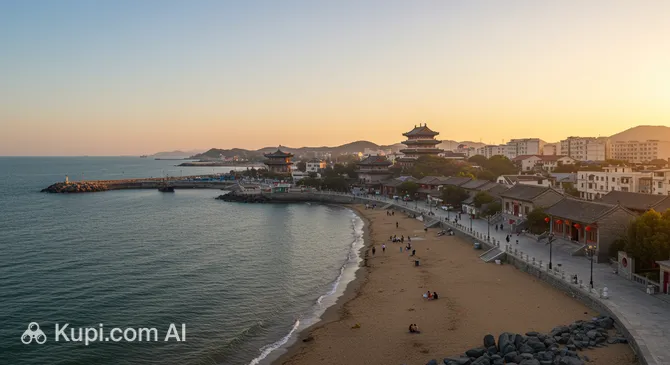
Gaizhou. Illustration.
Source: Kupi.com AI

Despite its predominantly working-class status, the history of this region dates back to ancient times when these lands were part of the important Liaodong region. Today, Gaizhou attracts travelers with its practicality, low prices, and proximity to major seaports. It is an ideal spot for those who want to take a break while traveling through the northeast of the country and feel the rhythm of everyday life for ordinary citizens.

Visiting Gaizhou is an excellent opportunity to get to know the true industrial heart of Liaoning, walk along the banks of the Dayanghe River, and enjoy the hospitality of the locals. The city invites you to experience a calm, provincial atmosphere, free from tourist bustle.

Weather Overview

The climate in Gaizhou has a distinct continental monsoon character, typical for the northeastern regions of China. Expect warm and humid summers with occasional downpours, as well as cold, dry, and windy winters. The city's weather is noticeably influenced by the proximity of the Yellow Sea, which slightly mitigates extreme temperatures but brings fogs in the spring.

In winter, especially in January, temperatures can drop to -10°C or lower, with very little precipitation. Summers in Gaizhou are quite hot: in July and August, the thermometer averages around +25...+28°C. The peak of precipitation occurs in the second half of summer, so humidity rises significantly during this period.

Autumn and spring in the city are short but comfortable enough for walks, although sharp temperature changes are possible during transitional seasons. If you are planning a winter trip, consider that due to the terrain and the city's industrial profile, smog may occur during the cold season, which is important for people with sensitive respiratory systems.

Average monthly temperature

Average monthly precipitation

Interesting Facts

  • Gaizhou has ancient roots and was historically part of the Liaodong region; however, it only gained its modern status as a county-level city in the 1980s following administrative reforms.

  • The city is an important industrial hub in Liaoning Province due to active coal and iron ore mining in its surrounding areas.

  • The economy of Gaizhou has a strong agricultural focus: the region is widely known as a major producer of corn and soybeans in the country's northeast.

  • Geographically, the city is very well-positioned—just 100 kilometers from the major international port of Dalian, making it a strategically important transit point.

  • Despite its industrial profile, the population maintains a commitment to tradition, and there is a significant Manchu community living here, although the majority of residents are Han Chinese.

How to Get There

The transport accessibility of Gaizhou is largely due to its strategic position between major hubs in Liaoning Province. Although the city does not have its own airport, getting here from other regions of China or from abroad is easy thanks to a developed network of high-speed railways and highways.

The nearest major aviation hub is Dalian Zhoushuizi International Airport (DLC). From there, you can reach Gaizhou by taxi or intercity bus in approximately 1.5–2 hours. Travelers also frequently use Shenyang's airports, which have regular transport links to the city.

AirportPassenger trafficDistance
Yingkou Lanqi151 52615 km
Anshan Teng'ao Airport177 00089 km
Jinzhou Airport251 350108 km
Shenyang Taoxian International Airport20.6 mln167 km
Langtou Airport243 068170 km

Railway transport is the most convenient way to reach the city. Gaizhou Railway Station is integrated into the national rail network. Trains connecting the city with Dalian, Shenyang, and even Beijing pass through it. A high-speed train ride from Dalian takes only about 2 hours, making traveling to Gaizhou fast and comfortable.

StationPassenger trafficDistance
Yingkou East Railway Station26 km
Bayuquan Railway Station32 km
Anshanxi Railway Station93 km
Liaoyang Railway Station5.5 mln119 km
Benxi Railway Station4.5 mln154 km

For those who prefer driving, the G15 Shenyang–Haikou Expressway passes through Gaizhou. Taking a bus from neighboring cities like Yingkou or Anshan is also a popular and budget-friendly option, though you should account for potential traffic jams at the city entrance during peak hours.

Main Attractions

Although Gaizhou is not a global tourist hub, it offers guests several interesting locations that allow them to experience the local flavor. The main place for walks and social gatherings is Gaizhou People's Square. This is a spacious open area in the city center where, in the evenings, you can see street dancers performing or simply relax by the fountains, watching the steady pace of life.

For those seeking an authentic experience, it is worth visiting the Gaizhou Agricultural Market. Real life is in full swing here: the stalls are bursting with fresh vegetables, fruits, and local delicacies. It is the best place to see how locals live and what they eat, as well as to purchase the freshest products at very affordable prices.

For a peaceful outdoor break, the park along the Dayanghe River is ideal. Despite the proximity to industrial zones, the riverside areas are gradually being improved, offering green walking paths and scenic views of the river. It is one of the few places in the city where the urban landscape is softened by natural motifs.

The modern side of city life is represented by shopping complexes like Gaizhou Commercial Plaza. They serve not only as shopping points but also as leisure centers featuring cafes, cinemas, and gaming zones. If you are looking for a deep dive into history or large-scale attractions, Gaizhou serves as a convenient base for day trips to the Yellow Sea coast or neighboring Dalian.

Local Cuisine

The gastronomic scene in Gaizhou is inextricably linked to the culinary traditions of Liaoning Province. The main feature of local cuisine is the abundance of fresh seafood delivered from the nearby Yellow Sea. In local restaurants, you should definitely try shrimp and squid prepared in a spicy sauce, or traditional steamed fish.

In addition to seafood, hearty dishes typical of the country's northeast are popular in Gaizhou. Be sure to taste suancai—fermented Napa cabbage, which is often added to rich soups with pork. No less in demand are fried jiaozi dumplings, as well as beef noodles, which are distinguished here by a particularly rich broth.

The dining culture in the city is simple and democratic. Residents prefer small street eateries and family restaurants where a meal costs a modest 20–50 yuan. As for drinks, green tea is the absolute leader, while local Snow beer is popular among fans of bubbly beverages, perfectly complementing the spicy dishes of Liaoning cuisine.

Travel Tips

Gaizhou is a practical and welcoming city, and visiting it will be easier and more enjoyable if you follow the advice of experienced travelers. Prepare for your trip in advance to enjoy the authentic atmosphere of northeastern China.

  1. Clothing and Items: The climate in the region is contrasting. In summer, bring light clothing and an umbrella for monsoon rains; in winter, a very warm jacket is essential, as temperatures can drop to -15°C. Comfortable shoes are a must for walking through industrial and market areas.

  2. Transport: Getting around the city is most convenient by taxi via the Didi app. If you decide to take the bus, carry small 1-yuan coins or set up payment via QR code.

  3. Finance: Cash is reluctantly accepted in Gaizhou. Be sure to install and link a card to Alipay or WeChat Pay. International bank cards do not work everywhere, so it is better to have a small reserve of yuan for emergencies.

  4. Health and Safety: The city is generally safe, but keep an eye on your bags in markets. In winter, air quality may decrease due to factory operations and heating, so sensitive individuals should carry a protective mask.

  5. Communication: English is practically not spoken here. Download an offline translator and Baidu Maps in advance, as Google services are blocked or unstable.

  6. Local Etiquette: Gaizhou residents are used to a working rhythm of life. Be polite and greet people with a nod. Loud behavior in public places is not encouraged.

  7. What to Avoid: You should not plan long walks in the old mining districts in the north of the city—the ecology is poor there, and there is virtually no tourist infrastructure.

  8. Digital Tip: For stable internet and access to familiar social networks, take care of buying a local SIM card and installing a reliable VPN service in advance.

May your introduction to Gaizhou be filled with interesting discoveries and only positive emotions!

Entertainment & Nightlife

Nightlife in Gaizhou reflects its status as a quiet provincial city: you won't find massive nightclubs or noisy bars open until dawn here. The main form of evening leisure for locals is karaoke (KTV). These establishments are concentrated in the downtown areas and offer private rooms for groups to spend time in an informal setting.

The city squares, especially People's Square, become centers of attraction in the evenings. People of all ages gather here: young people ride skateboards, while the older generation organizes group dances. The atmosphere is very friendly and safe, perfect for leisurely post-dinner walks.

For daytime entertainment in Gaizhou, modern shopping centers are the best fit. They house cinemas showing the latest releases and play zones for children. If you crave more vibrant experiences or large-scale concerts, most residents prefer to take a short trip to nearby major cities, returning to quiet Gaizhou to rest.

Parks & Museums

The natural areas of Gaizhou are places where the city bustle gives way to peaceful relaxation. The main green oasis in the center is People's Park. Although it is not huge, it is a favorite spot for locals for morning Tai Chi exercises and evening walks under the shade of trees. The park is well-maintained and offers cozy alleys for a break from the urban landscape.

Another important recreational area is the territory along the Dayanghe River. Despite the riverbanks being partially occupied by industrial facilities, there are landscaped sections for walking. Residents value these spaces for the opportunity to be near the water, although overall Gaizhou still needs to expand its green zones as part of active urbanization.

Regarding cultural leisure, historical knowledge can be sought at the local museum located in the administrative center. It features exhibitions dedicated to the history of the Liaodong region and industrial development in the county. For larger-scale museum exhibitions and art galleries, travelers usually head to neighboring Yingkou or Dalian, where cultural life is more broadly represented.

Getting Around

The transport system of Gaizhou is simple and functional, oriented toward the needs of locals and industrial zone workers. The backbone of public transport is the city bus. The route network covers all key areas: from the center and the railway station to the outlying factories. Fares are very cheap—usually 1–2 yuan—and the frequency during the day is about 10–20 minutes.

There is no metro or tram system in the city, so buses remain the only form of mass transit. It is important to note that during peak hours (7 to 9 AM and 5 to 7 PM), transport can be very crowded, and traffic jams occur on main roads, which can increase travel time by 20–30 minutes. In winter, snowfalls can disrupt schedules, which should be considered when planning trips to the train station.

For more comfortable travel, tourists actively use taxis and the Didi service, which is popular in China. A ride around the city center will cost only 10–20 yuan. Bike-sharing systems are also available in Gaizhou, which are convenient for short trips between central locations. Walking in the city center is also quite comfortable, as key shopping and leisure zones are located relatively compactly.

Accommodation

The accommodation market in Gaizhou is primarily focused on business travelers and transit tourists, so practical and affordable options predominate. The majority of the hotel stock consists of economy-class chain hotels such as Hanting or Home Inn. They offer a standard set of services, cleanliness, and comfort at a very attractive price—usually from 100 to 300 yuan per night.

The city center is considered the most convenient area to stay, especially the blocks adjacent to the railway station. Staying here gives you quick access to transport hubs, local markets, and main shopping areas. This is particularly important for those planning to use Gaizhou as a base for trips around Liaoning Province.

For those planning to stay in the city for a longer period, rental apartments are available. There are no luxury five-star resorts in Gaizhou, but the existing mid-range hotels fully meet the needs of travelers. During peak seasons or holidays, it is recommended to book a room in advance using popular Chinese booking services.

Nearby Cities

Gaizhou occupies an advantageous geographical position, making it an excellent starting point for exploring other interesting places in Liaoning Province. Thanks to the developed rail and bus links, you can easily plan day trips to neighboring cities, each with its own unique character.

Just 30 kilometers away is the city of Yingkou, a major port center where you can walk along the promenade and enjoy the sea air. Also nearby is the city of Dashiqiao, known for its industry and cozy city parks. If you want to see larger-scale industrial landscapes or visit historical sites, it is worth paying attention to Haicheng.

CityPopulationDistance
Dashiqiao704 89130 km
Yingkou2 428 53431 km
Haicheng1 293 87760 km
Wafangdian1 024 87692 km
Wenlan585 97692 km

For those looking for a seaside holiday, a trip toward Wafangdian or the famous Dalian, located further south, would be an ideal destination. The region around Gaizhou offers amazing variety—from modern megacities to quiet coastal areas—encouraging travelers not to limit themselves to one city but to boldly explore the surroundings.

Shopping & Souvenirs

Shopping in Gaizhou is primarily about getting to know local life and everyday goods. There are no massive luxury malls in the city, but trade is well-developed in the form of modern shopping centers and traditional markets. The main shopping destination is Gaizhou Commercial Plaza, where you can find supermarkets, clothing stores featuring Chinese brands, and electronics.

The city's special flavor is revealed at night markets such as the Gaizhou Night Market. Here, almost everything is sold under the open sky: from inexpensive clothing and accessories to freshly prepared street food. It is a great place to haggle and purchase everyday goods at the lowest prices while immersing yourself in the noisy atmosphere of a Chinese bazaar.

Local food products are the most common souvenirs brought from Gaizhou. Look for high-quality varieties of Chinese tea and various dried fruits produced in the region. Shops usually operate from morning until late evening, and for payment, it is best to use Alipay or WeChat Pay apps, as cash is accepted less and less frequently.

Reached the end of the page?

That means the route is fully explored