Support

Bioparco di Roma

About

Bioparco di Roma is more than just a zoo; it is a true green oasis in the heart of Rome, located within the grounds of the famous Villa Borghese. As one of the oldest and largest zoological gardens in Italy, it offers a unique opportunity to escape the city bustle and discover the wonderful world of wildlife. The park covers an extensive area inhabited by hundreds of animal species from all continents.
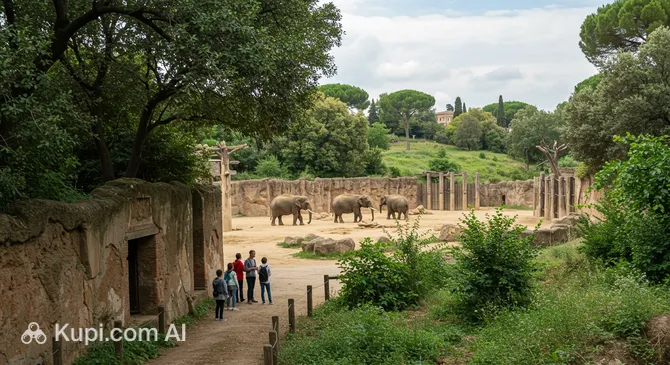
Bioparco di Roma. Illustration.
Source: Kupi.com AI

Traveler photos:

What makes Bioparco di Roma special is its modern approach to animal welfare. Instead of cramped cages, spacious enclosures have been created here to recreate natural habitats. This allows guests to observe tigers, elephants, giraffes, lemurs, and many other inhabitants in conditions as close as possible to the wild. This format is not only more humane for the animals but also makes a visit to the zoo truly educational and engaging.

In addition to animal observation, the park is actively involved in the conservation of endangered species, educational programs, and scientific research. For visitors, there are relaxation areas, cafes, and playgrounds, making Bioparco an ideal place for a full day of family leisure. A walk through its shaded alleys will be a wonderful addition to the cultural program of your trip.

Contacts

To ensure your visit to Bioparco di Roma is as comfortable as possible, we strongly recommend checking for up-to-date information immediately before your visit. Details regarding opening hours, ticket prices, and special event schedules may change depending on the season or other factors.

The most reliable way to get the latest information is to use search engines to find the zoo's official website. You can also clarify details at tourist information centers upon arrival in Rome.

How to contactContact
AddressPiazzale del, V.le del Giardino Zoologico, 1, 00197 Roma RM, Italy
Phone number+39 06 360 8211
Websitewww.bioparco.it

What to Do

Visiting Bioparco di Roma is a fascinating immersion into the world of wildlife, where you can get to know fauna from every continent. It is home to more than 200 species of animals, and you can closely observe the lives of graceful tigers, intelligent chimpanzees, mighty bears, and playful lemurs. The exotic bird aviary deserves special attention, impressing visitors with its variety of plumage and sounds.

The park offers more than just animal watching; it provides many educational activities. Educational programs and themed tours dedicated to biodiversity conservation are regularly held for children and adults. This is a great opportunity to learn more about the habits and habitats of the animals. Additionally, at certain times, you can catch demonstration feedings, during which staff members share interesting facts about their charges.

Beyond the animal world, Bioparco has everything needed for a comfortable rest. You can stroll along the wide green alleys, relax in one of the specially equipped zones, or grab a snack at a local cafe. For younger visitors, there are playgrounds, making this an ideal place for a leisurely family day out.

Getting There

Bioparco di Roma boasts a very convenient location in the heart of Rome, within the picturesque Villa Borghese park. Thanks to its central position, reaching it is easy regardless of your chosen mode of transport, and the journey itself can be a pleasant part of your adventure.

The simplest and most popular way to reach the zoo is by public transport. Several bus stops are located nearby, such as Bioparco/Mercadante. Another convenient option is to take Metro Line A to the Flaminio or Spagna stations. From there, a pleasant 15–20 minute walk through the shaded alleys of Villa Borghese will take you straight to the zoo entrance. You can also reach the park entrance by tram No. 19.

If you are traveling by car, there are paid parking lots near Bioparco. However, please note that this area is very popular with both tourists and locals. Finding a free spot on weekends and holidays can be difficult, so it is recommended to prioritize public transport to avoid extra hassle and save time for meeting the zoo's residents.

Nearest city: Rome

History & Facts

The history of Bioparco di Roma began on January 5, 1911, when it first opened its doors to the public. From its very foundation, this place was special. Its design was developed by the famous German specialist Carl Hagenbeck, who proposed a revolutionary idea for the time: moving away from cramped cages in favor of spacious enclosures separated from visitors by moats and natural barriers. This innovative approach, implemented across 12 hectares in the picturesque gardens of Villa Borghese, allowed for the creation of conditions for animals that were as close as possible to their natural habitat.

Initially, the zoo was intended partly as a place of entertainment, but over time its mission has undergone significant changes. Throughout its long history, the park has been expanded and modernized many times to meet new scientific and ethical standards. A major milestone was the transformation of the zoo into a "biopark" in 2004, highlighting its new focus. Today, it is not just a collection of animals, but an important scientific and educational center that makes a significant contribution to wildlife protection.

Modern-day Bioparco di Roma actively participates in international conservation programs for rare and endangered species, such as the rare Kleinmann's tortoise, which has lived here since 2005. The park administration follows a strict policy: they do not buy animals caught in the wild. All of its inhabitants were either born in captivity or were rescued and confiscated from poachers. This approach turns a visit to Bioparco into more than just a pleasant stroll—it is an opportunity to support an important mission to preserve our planet's biodiversity.

Time Needed

When planning a visit to Bioparco di Roma, it is best to set aside several hours to get the most out of your experience without rushing. For a complete and leisurely tour of all thematic zones, it is recommended to allocate at least 3–4 hours. This will be enough time to meet the park's main residents, walk through its picturesque alleys, and take commemorative photos.

If you are traveling with children or want to dive deeper into the life of the zoo, feel free to plan for half a day. This time buffer will allow you not only to visit all the enclosures but also to participate in interactive programs, catch demonstration feedings, and take a comfortable break for lunch or rest in one of the green zones. Some visitors note that even a quick look at the main exhibits takes about two hours. In any case, Bioparco in Rome is a place where time flies by.

Working Hours

Bioparco di Roma is open to visitors year-round, though opening hours change depending on the season. Generally, the zoo opens daily at 9:30 AM. Closing times vary: in the colder months (from late October to late March), it closes earlier, around 5:00 PM, while in the warmer season (from late March to late October), it stays open longer, until 6:00 PM. It is important to remember that last entry is usually permitted one hour before the park closes.

To avoid any misunderstandings, it is strongly recommended to check the current schedule on the official Bioparco website before planning your visit, as opening hours may change due to holidays or special events. While pre-booking is not always mandatory, buying tickets online will help save time and avoid queues at the ticket offices, especially during the peak tourist season and on weekends.

DayOpening hours
Monday9:30 – 17:00
Tuesday9:30 – 17:00
Wednesday9:30 – 17:00
Thursday9:30 – 17:00
Friday9:30 – 17:00
Saturday9:30 – 18:00
Sunday9:30 – 18:00

Nearby

A visit to Bioparco di Roma is not only an encounter with the amazing world of animals but also a wonderful opportunity to explore one of Rome's most picturesque districts. The zoo is located within the famous Villa Borghese gardens, making it an ideal starting point for a further walk through the cultural treasures of the Eternal City.

Many iconic attractions are within walking distance, allowing you to easily combine a zoo visit with a tour of artistic and architectural masterpieces. This combination will give you a rich and varied day full of vivid impressions from both nature and the rich heritage of Italy's capital. Below is a list of interesting places located nearby.

NameDistance
Borghese Gallery0.5 km
Piazza del Popolo1.2 km
Trevi Fountain1.8 km
Pane e Salame1.9 km
Pantheon2.2 km
Piazza Navona2.3 km
Castel Sant'Angelo2.4 km

Have you reached the end of the page?

So the route has been studied inside and out