Support

Kita-no-maru Park

About

In the heart of bustling Tokyo, the capital of Japan, lies Kitanomaru Park—a true green oasis that separates the modern metropolis from the Imperial Palace grounds. This park occupies what was once the northern section of Edo Castle and is still surrounded by deep moats and massive defensive walls, giving it the atmosphere of a secluded fortress. Here, wooded trails sit alongside spacious lawns, creating the perfect environment for those looking to temporarily escape the urban rhythm.
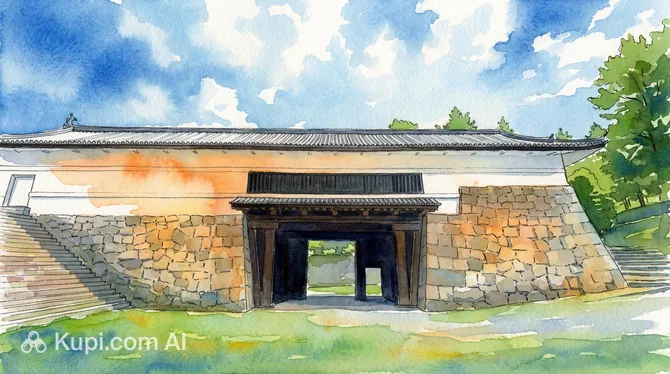
Kitanomaru Park. Illustration.
Source: Kupi.com AI

Traveler photos:

Kitanomaru Park is not just about nature; it is also one of the city's most important cultural hubs. Its grounds house iconic landmarks such as the legendary Nippon Budokan arena, the National Museum of Modern Art (MOMAT), and the Science Museum. The park is famous for its historic 17th-century gates, Tayasu-mon and Shimizu-mon, which serve as living reminders of the samurai era.

The park is especially popular in spring, when hundreds of cherry trees lean over the water-filled moats, and in autumn, when Momijiyama Hill is painted in the brilliant reds and golds of maple trees. Thanks to its blend of historical heritage, high concentration of museums, and landscape artistry, this location is considered a must-visit for anyone seeking harmony between culture and relaxation.

Contacts

To ensure your visit to Kitanomaru Park is as smooth as possible, we recommend checking the latest reference information in advance. Please note that the operating hours of individual cultural sites within the park and the scheduling of major events may vary depending on the season or current timetable.

Below are the primary official details to help you find your way, contact the park administration, or check further details on the managing organization’s website.

How to contactContact
Address1-1 Kitanomarukōen, Chiyoda City, Tokyo 102-0091, Япония
Phone+81 3-3211-7878
Websitewww.env.go.jp

What to Do

Kitanomaru Park offers guests a variety of leisure options, from contemplative relaxation to deep immersion in Japanese art. You can wander the winding paths of the western ridge, where small waterfalls flow and decorative stones lie, or enjoy a picnic on one of the open lawns while watching street musicians perform. Photographers should head to the Chidorigafuchi Moat—this spot offers the best views of boats gliding through the water under the shade of the trees.

The park’s cultural program is incredibly rich. Art lovers should stop by the National Museum of Modern Art, Tokyo, while families with children will appreciate the interactive exhibits at the Science Museum. If you're lucky, you might catch a sporting event or a concert at the famous Nippon Budokan—an arena that has gained cult status far beyond the country's borders.

The park changes its character with the seasons. In spring, hanami (cherry blossom viewing) is a mandatory ritual, and from April to November, you can rent a boat to view the massive walls of Edo Castle from the water. For hikers, the park serves as a green link between the Imperial Gardens and the Jimbocho book district, offering a peaceful route away from the traffic.

Getting There

The easiest way to reach Kitanomaru Park, located at 1-1 Kitanomarukōen, Chiyoda City, is by public transport. The most convenient method is the Tokyo Metro: take the subway to Kudanshita Station (Tozai, Hanzomon, and Shinjuku lines). Use exits 1 or 2, and after just a few minutes' walk, you will find yourself at the historic Tayasu-mon Gate. Takebashi Station is also within walking distance (about 5 minutes away).

If you are starting from Tokyo Station, the metro ride to the park takes no more than 10–15 minutes. For those who prefer the bus, the nearest stop is located at the Chiyoda Ward Office, which is very close to the Shimizu-mon Gate.

The park is perfectly integrated into central Tokyo's walking routes. Many visitors choose to walk here from the Imperial Palace—a stroll along the picturesque moat takes about 10–15 minutes and allows you to enjoy the city views without having to cross busy roads.

Nearest city: Tokyo

History & Facts

Kitanomaru Park occupies land that was once the northern reaches of the legendary Edo Castle. During the Tokugawa Shogunate, this area housed the residences of high-ranking officials and medicinal gardens. Although the castle itself was heavily damaged by fire in 1873, the park still features grand defensive structures, including the Tayasu-mon Gate, built in 1685 and designated an Important Cultural Property of Japan.

Interestingly, until the mid-20th century, this area was known as Daikantō, which translates to "the town of local governors." During the Meiji era, the former samurai estates were replaced by barracks for the Imperial Guard. The only surviving building from that period—the 1910 guard headquarters—now serves as the home for the Crafts Gallery.

The park’s modern appearance began to take shape after the mid-1900s. In 1964, the famous Budokan arena was built here specifically for the Olympic Games, and in 1969, to commemorate Emperor Showa's 60th birthday, the grounds were officially opened to the public as a forest park. Today, the site wonderfully blends the rugged architecture of the Edo era with elegant modern museums and the tranquility of century-old trees.

Time Needed

To simply stroll through the alleys of Kitanomaru Park, see the ancient gates, and enjoy the views of the Chidorigafuchi Moat, you will need about 1.5–2 hours. This is plenty of time for a leisurely walk and a few great photos against the backdrop of the historic walls.

However, if you plan to visit at least one of the museums on the grounds or rent a boat to go out on the water during the cherry blossom season, you should budget at least 4 hours or even half a day. Art and science enthusiasts could easily spend a full cultural day here, moving between exhibitions and relaxing on the park’s green lawns.

Working Hours

Kitanomaru Park itself is hospitably open to visitors 24 hours a day, including weekends and holidays. This makes it a great spot for early morning walks or quiet evening strolls when the hustle of Tokyo has subsided a bit.

When planning your visit, it is important to keep in mind that the cultural institutions inside the park follow their own schedules. Most museums and exhibitions are open from 09:30 to 17:00 and are often closed on Mondays. It is also wise to check the event schedule at Nippon Budokan in advance, as access to the surrounding area may be restricted during concerts or competitions.

Open 24 hours

Nearby

Kitanomaru Park's location in the very heart of the historic center makes it an ideal starting point for further exploration of Tokyo. Just a few steps from the park’s pathways are iconic sites that will help you dive deeper into the country's culture and history.

Right nearby, you will find the majestic Imperial Palace in Tokyo and its stunning East Gardens. Also within walking distance is Yasukuni Shrine, known for its unique history and beautiful architecture. Exploring these surroundings allows you to see the contrasting faces of the Japanese capital in a single day: from ancient fortress walls to modern art spaces.

NameDistance
Tokyo Imperial Palace0.8 km
Nijubashi Bridge1.4 km
Suga Shrine2.6 km
teamLab Borderless3.4 km
The National Museum of Western Art3.4 km
National Museum of Nature and Science3.6 km
Tokyo National Museum3.8 km

Reached the end of the page?

That means the route is fully explored