Support

Statue of Saigō, Ueno Park

About

The Saigo Takamori Statue is one of the most recognizable monuments in Tokyo, located at the southern entrance of the famous Ueno Park. Erected in 1898, this bronze figure, standing about 4.7 meters tall, depicts one of the most influential samurai in the history of Japan. Sculptor Takamura Kōun captured "Great Saigo" in informal attire, accompanied by his faithful dog named Tsun.
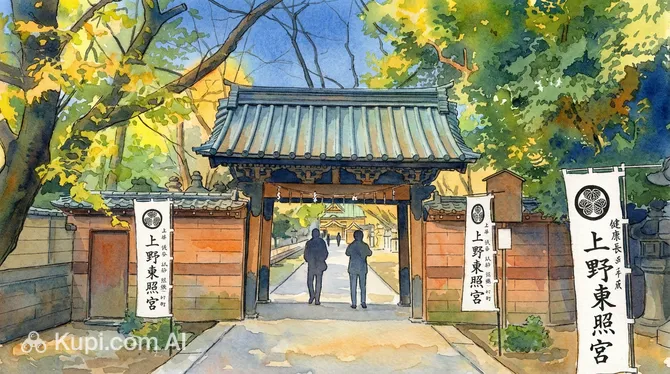
Statue of Saigo Takamori. Illustration.
Source: Kupi.com AI

Traveler photos:

This monument is an important symbol of the Meiji Restoration era. Unlike many other memorials of that time, which depicted heroes in formal uniforms, Saigo Takamori is shown here in an everyday kimono, emphasizing his closeness to the people and his spiritual greatness. It is believed that the statue faces the former Edo Castle, serving as a reminder of Saigo's role in the bloodless surrender of the city to imperial troops.

Today, the monument has become a true icon of Ueno Park, attracting thousands of tourists and locals alike. The image of Saigo, whose motto was "Revere Heaven, Love People," continues to inspire figures in culture and art—indeed, this man's story served as the basis for the famous film "The Last Samurai."

Contacts

Before visiting the Saigo Takamori Statue in Ueno Park, we recommend checking for the latest information and possible changes to the park's operating hours on the official website of the Tokyo Metropolitan Government. While access to the monument itself is usually open throughout the day, maintenance work or special events may occasionally take place within the park grounds.

How to contactContact
Address1 Уэнокоэн, Тайто, Токио 110-0007, Япония
Phone+81 3-3828-5644
Websitewww.kensetsu.metro.tokyo.lg.jp

What to Do

Strolling around the Saigo Takamori Statue is a great way to feel the spirit of the samurai era in the middle of modern Tokyo. Visitors often take commemorative photos next to the bronze dog Tsun or admire the panoramic view of the park from the elevated ground where the monument stands. This spot is perfect for leisurely city-watching and meditative reflection.

The surroundings of the statue are particularly picturesque in spring during the hanami season, when thousands of cherry trees in Ueno Park turn soft shades of pink. Visiting the monument is easy to combine with a cultural program: just a few minutes' walk away are Tokyo's major museums, including the National Museum of Western Art. During the warmer months, you can also observe the lotus blossoms in the nearby Shinobazu Pond.

Getting There

The Saigo Takamori Statue is located in the Taito ward of Tokyo, in the southern part of Ueno Park. Reaching it by public transport is very simple: the nearest station is Ueno (serving JR Yamanote, Keisei, Hibiya, and Ginza lines). You should use Exit 1 or 2, from which the park entrance is just a couple of minutes' walk away.

From the JR Ueno Park Exit, a path leads directly to the statue on the hill. If you are heading to the park from Tokyo Central Station, a taxi ride will take about 10–15 minutes. For those who prefer walking, the stroll from the Akihabara district takes approximately 20 minutes.

Please note that parking in the Ueno area is very limited and quite expensive, so using the well-developed network of subways or city trains is the most practical choice for tourists.

Nearest city: Tokyo

History & Facts

Saigo Takamori, immortalized in bronze in the heart of Tokyo, was a key figure in 19th-century Japan. He led the forces that restored the Emperor's power and played a decisive role in the fall of the Tokugawa Shogunate. Despite his enormous contribution to the country's modernization and the Meiji Restoration, Saigo later became disillusioned with the reforms and led the Satsuma Rebellion to defend the ideals of the samurai class.

Following the defeat of the rebellion and Saigo's death in 1877, he remained in the people's memory as a model of honor, loyalty, and integrity. In 1889, the government posthumously pardoned him, recognizing his past services to the nation. The erection of the monument in Ueno in 1898 served as an official gesture of reconciliation and recognition of his status as a national hero.

Interestingly, the sculptor Takamura Kōun depicted Saigo in casual clothing accompanied by his favorite hunting dog, Tsun. At the grand unveiling, the hero's widow was surprised by her husband's informal appearance; however, it was precisely this human and accessible image that made the statue a truly beloved national symbol.

Time Needed

Simply viewing the Saigo Takamori Statue and taking commemorative photos will take about 20–40 minutes. However, given the monument's location in one of Tokyo's most attraction-dense areas, we recommend setting aside at least 1–2 hours for a walk through this part of Ueno Park.

If you plan to combine your visit to the statue with a trip to the zoo or one of the major museums located nearby, you should allow at least half a day to explore the location. During the cherry blossom season or during festivals, your stay in the park might lengthen due to the large number of interesting events and relaxation areas.

Working Hours

Since the Saigo Takamori Statue is located in the open area of Ueno Park in Tokyo, it is available for viewing daily and year-round. The official operating hours of the park zone are from 05:00 to 23:00. During this time, you can freely approach the monument and view it from all sides.

Viewing the statue is most convenient during daylight hours to better appreciate the details of the bronze casting and the monument's texture. Nevertheless, the park area is well-lit in the evening as well. We recommend checking the official park administration website for current access information, as the schedule may change slightly during major festivals or maintenance work.

05:00–23:00

Nearby

Exploring the surroundings of the Saigo Takamori Statue will allow you to dive deeper into the cultural and historical life of Tokyo. Located right nearby are some of the country's largest museums, including the National Museum of Western Art, which houses world-class masterpieces, as well as the famous Ueno Zoo.

Just a few hundred meters from the shaded alleys of the park lies the bustling Ameyoko Shopping Street, where you can try traditional street food, buy fresh seafood, or pick up memorable souvenirs. This combination of historical tranquility and vibrant city bustle makes visiting this area a must-see on any trip to Japan.

NameDistance
The National Museum of Western Art0.4 km
National Museum of Nature and Science0.5 km
Tokyo National Museum0.8 km
Kaminarimon2 km
Tokyo Imperial Palace3.5 km
Nijubashi Bridge4 km
Suga Shrine5.5 km

Reached the end of the page?

That means the route is fully explored