Support

Yokohama Chinatown

About

Yokohama Chinatown is the largest Chinatown not only in Japan but in all of Asia. Located near Tokyo, this district is a dazzling kaleidoscope of colors, sounds, and aromas. In an area of about 500 square meters, thousands of ethnic Chinese residents live, carefully preserving their traditions over many decades.
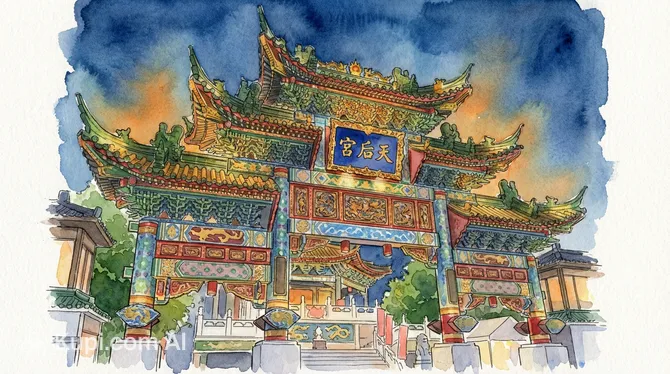
Yokohama Chinatown. Illustration.
Source: Kupi.com AI

Traveler photos:

Ten magnificent pailou (triumphal gates) define the unique look of the district, each with its own symbolic meaning based on the Chinese zodiac and the cardinal directions. Inside, visitors will find narrow streets adorned with red lanterns and hundreds of establishments, ranging from tiny souvenir shops to luxurious restaurants serving authentic Cantonese and Shanghainese cuisine.

The spiritual heart of the area is the majestic Kanteibyo Temple, dedicated to the god of prosperity and business. This vibrant structure, with its intricate carvings and gilding, serves not only as a place of prayer for the local diaspora but also as a major architectural landmark, instantly transporting guests from modern Japan into the atmosphere of ancient China.

Contacts

When planning a stroll through Yokohama Chinatown, keep in mind that it is a vast residential and commercial district without a single information center. We recommend checking official information about major events and festivals in Japan in advance to make your visit as fulfilling as possible.

As each restaurant and shop in the quarter operates on its own schedule, it is best to check the current contact details of specific establishments directly before visiting or on the official district association portal. Up-to-date links and addresses will always help you find your way on the spot.

How to contactContact
AddressЯмаситатё, Нака, Иокогама, Канагава 231-0023, Япония
Websitewww.chinatown.or.jp

What to Do

The main pleasure of visiting Yokohama Chinatown is a leisurely stroll through its lively alleys. Be sure to stop by Kanteibyo Temple to admire its rich decor and perhaps try your luck with traditional fortune-telling. The architectural details of the gates and the bright illumination of the buildings create perfect conditions for colorful photos, especially in the evening hours when the lights come on.

Gastronomic discoveries are an essential part of the experience. Here you can try everything from the famous nikuman (steamed buns) sold right on the street to exquisite delicacies in centuries-old restaurants. Shopping enthusiasts will find unique Chinese tea sets, traditional silk clothing, and exotic spices that are hard to come by in other parts of Tokyo or Yokohama.

If you are lucky enough to be here during Chinese New Year, you will witness a grand celebration with lion and dragon dances. The roar of firecrackers, vibrant processions, and festive illumination turn Chinatown into one continuous carnival, offering unforgettable impressions of Chinese culture in the heart of Japan.

Getting There

Getting to Yokohama Chinatown from central Tokyo is very easy: a ride on the JR Tokaido or JR Negishi rapid lines to Yokohama Station takes about 30 minutes. From there, transfer to the Minatomirai Line and go to the terminal station, Motomachi-Chukagai; the exit leads directly to the district's famous eastern gate.

An alternative and very convenient option is to take the train to Ishikawacho Station (JR Keihin-Tohoku Line). From this station, the entrance to Chinatown is just a 5–7 minute walk. If you are already in central Yokohama, a pleasant stroll from the scenic waterfront will also lead you to your destination.

For those who prefer a taxi or private transport, the official address is Yamashitacho, Naka Ward, Yokohama. However, it is worth remembering that the streets of the quarter are quite narrow and mostly pedestrian, and parking spaces in this popular area are very limited, so public transport remains the most reliable and fastest way to get around.

Nearest city: Tokyo

History & Facts

The history of this amazing place began in 1859, immediately after the opening of the Port of Yokohama to international trade. Chinese merchants from Shanghai and Guangzhou were among the first foreign settlers in Japan. Over time, they formed a tight-knit community that became an important link between Japanese entrepreneurs and the outside world.

In 1887, the Kanteibyo Temple was founded in the heart of the district. Legend has it that it all began with a small statuette of General Guan Yu brought by one of the immigrants. Over time, the modest sanctuary transformed into an architectural masterpiece that was rebuilt several times after fires and earthquakes, each time becoming more magnificent and significant to the community.

Today, Yokohama Chinatown is not just a tourist attraction but a living historical monument. It is home to fourth and fifth-generation Chinese descendants whose families settled on these streets over 150 years ago. The district has survived numerous historical upheavals, preserving its unique identity and becoming a major symbol of the region's cultural diversity.

Time Needed

For a quick look at the main gates and a visit to the main temple of Yokohama Chinatown, about 2 hours will be enough. However, to truly feel the atmosphere of the place and enjoy a leisurely lunch in one of the local restaurants, it is better to set aside 3 to 4 hours.

If your trip coincides with cultural festivals or you plan to explore the assortment of numerous souvenir, tea, and antique shops in detail, you can easily spend an entire day in the district. The evening deserves special attention—the illumination of thousands of lanterns makes the place completely unrecognizable and truly magical.

Working Hours

The Yokohama Chinatown district itself is open to visitors 24/7, and you can stroll through its central streets at any time of the day or night. However, keep in mind that most souvenir shops, stalls, and restaurants operate on individual schedules, typically opening around 10:00 and closing by 21:00 or 22:00.

Kanteibyo Temple also has limited visiting hours, so it is best to arrive in the first half of the day to see its interior. Before your trip, we recommend checking the official website of the district association to confirm festival times or any changes to the operating hours of the main attractions.

Open 24 hours

Nearby

A visit to Chinatown can be perfectly combined with exploring other iconic city spots. Very close by is the picturesque Yamashita Park, where you can relax by the water and admire the bay view after a stroll through the noisy and vibrant alleys of Chinatown.

Just a few minutes' walk away stands the Yokohama Marine Tower, whose observation deck offers a breathtaking panorama of the city and port. This proximity allows for a rich itinerary combining cultural immersion, historical discoveries, and the modern maritime landscapes of Japan.

NameDistance
Cosmo Clock 211.5 km
Rooftop Kamata Ferris Wheel14.7 km
Shinagawa Aquarium18.2 km
Reserve Roastery Tokyo23.3 km
Gundam Base Tokyo23.5 km
Immersive Fort Tokyo23.6 km
Aquarium Gakyo23.7 km

Reached the end of the page?

That means the route is fully explored