Support

Higashiizu

About

Higashiizu is a small but incredibly picturesque town nestled on the eastern coast of the Izu Peninsula in Shizuoka Prefecture, Japan. Its geographical location seems perfectly designed for those dreaming of escaping the bustle of metropolises: on one side, the town is washed by the gentle waters of the Pacific Ocean, and on the other, it is surrounded by green hills and impressive volcanic landscapes. Due to its relative proximity to Tokyo, Higashiizu has long been a favorite destination for Japanese people seeking tranquility and communion with nature.
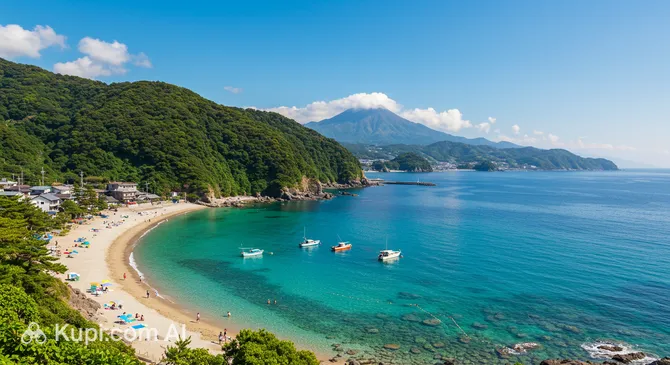
Higashiizu. Illustration.
Source: Kupi.com AI

With a population of just over 11,000 people, Higashiizu is a typical Japanese resort town where an atmosphere of comfort and hospitality reigns, reminiscent of a large family gathering. There is no place for rush here, and every corner seems imbued with the spirit of old Japan, inviting leisurely walks and contemplation.

The main pride and magnet for tourists in Higashiizu are its famous onsens (hot springs), many of which are located right along the coast. Imagine the opportunity to relax in a thermal bath with a view of the endless ocean, breathing in the fresh sea air – this is true Japanese Zen, for which travelers come here. In addition to the onsens, the town attracts visitors with the opportunity for secluded walks along the scenic coastline and an introduction to the authentic Japanese countryside.

Higashiizu is a real find for those who want to experience authentic Japanese culture. Ancient traditions are carefully preserved here, cozy family restaurants operate, and local festivals fill the town with bright colors and liveliness. If you are looking for a place where time seems to slow down and every day is filled with harmony, natural beauty, and sincere hospitality, Higashiizu will be a pleasant discovery for you.

You can find more interesting facts on the history of Higashiizu page.
Weather Overview

In Higashiizu, you can expect warm summers with occasional rain and cool, drier winters. The average air temperature in summer ranges from 21°C in June to 26.4°C in August, which is also the month with the highest number of rainy days. In winter, average temperatures range from 6.8°C in January to 9.0°C in December, with January and December being the driest months of the year. For more detailed information about weather conditions and for trip planning, check out the data on the climate of Higashiizu.

Average monthly temperature

Average monthly precipitation

Interesting Facts

In addition to its picturesque landscapes and famous hot springs, Higashiizu holds many fascinating secrets and little-known details. Here are just a few that will help you look at this charming town from a new, unexpected perspective:

Izu Animal Kingdom. Illustration.
Source: Kupi.com AI

Traveler photos:

  • One of the oldest resorts on the Izu Peninsula: Higashiizu is rightfully considered one of the most ancient resort destinations on the Izu Peninsula. The first mentions of its healing hot springs date back to the 8th century, and according to legend, even imperial figures visited these places to restore their strength and health.

  • Fire purification festival "Onsen Matsuri": Every spring, a unique and colorful festival called "Onsen Matsuri" takes place in the town. During this traditional celebration, locals dressed in national kimonos hold a solemn torchlight procession through the streets. This ancient ritual symbolizes the purification of the town and serves as a prayer for well-being and good luck for the entire coming year.

  • Exotica among the mountains: crocodiles and bananas: In Higashiizu, there is an amazing park called "Atagawa Banana Wanen". This place is an unusual combination of a botanical garden, where tropical plants and even banana palms grow (which is a rarity for Japan), and a real crocodile farm. Visitors can see more than 20 different species of these ancient reptiles here.

  • "Gate to the Ocean" for divers: Thanks to its exceptionally clear water and rich underwater world, Higashiizu has earned the unofficial title of "gate to the ocean." This region is a true mecca for divers and snorkeling enthusiasts who come here to admire sea turtles and a variety of exotic fish in their natural habitat.

How to Get There

There are several ways to reach Higashiizu, and for most tourists, especially those arriving from afar, the most convenient option will be a flight to one of the major airports in Japan followed by a transfer. Higashiizu itself does not have its own airport, so travelers will need to use the nearest aviation hubs.

The closest to Higashiizu is Shizuoka Airport (FSZ), located in the city of Shizuoka, about 79 km away. This is a regional airport serving domestic and some international flights. A trip from Shizuoka Airport to Higashiizu by car or taxi will take approximately 2 – 2.5 hours. You can also get here by public transport, combining buses and trains.

For most international travelers, the main entry points into the country will be the major capital airports. Haneda Airport (HND) in Tokyo, one of the busiest in the world, is located about 110 km from Higashiizu. A car journey from Haneda can take about 3 hours, but a more common and often faster option is to use Japan's extensive rail network. Another key international hub, Narita International Airport (NRT), which also serves Tokyo, is located further away – about 165 km from Higashiizu. A car trip from Narita will take more than 4 hours, so from here, most tourists prefer to reach Higashiizu by train, including the "Shinkansen" high-speed trains with necessary transfers, or by express buses.

For clarity, here is a summary of the main airports through which you can reach Higashiizu:

AirportPassenger trafficDistance
Shizuoka Airport691 27479 km
Haneda Airport85.7 mln110 km
Narita International Airport40.8 mln165 km
Matsumoto Airport112 618185 km
Hachijo Jima Airport380 583196 km

Higashiizu is served by the Japan rail network. You can reach the town by train with transfers from major transport hubs such as Tokyo or Shizuoka, where the aforementioned airports are located. We recommend checking routes and schedules in advance on the official websites of Japanese railway companies (for example, JR East or JR Central, depending on your route), as the country's rail service is excellently developed and is a popular and efficient choice for traveling around the country.

Main Attractions

Higashiizu, snugly located on the picturesque Izu Peninsula in Shizuoka Prefecture, offers its guests several notable places that allow for a deeper understanding of the nature and culture of this region of Japan. Among them, unique theme parks and cultural centers stand out, attracting both Japanese and foreign tourists.

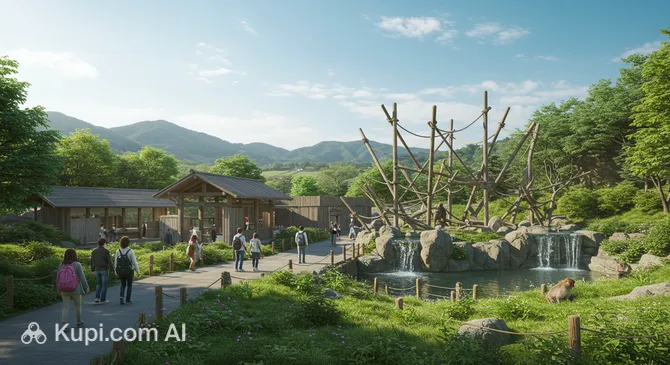
One of the main points of attraction for families with children and all animal lovers is the Izu Animal Kingdom. This extensive park provides a rare opportunity not only to see but also to interact with a variety of animals, including exotic ones such as white tigers, giraffes, and rhinos. Visitors can feed some of the inhabitants and learn many new things about their habits and habitat, making a visit here not only entertaining but also quite educational.

Izu Animal Kingdom. Illustration.
Source: Kupi.com AI

Traveler photos:

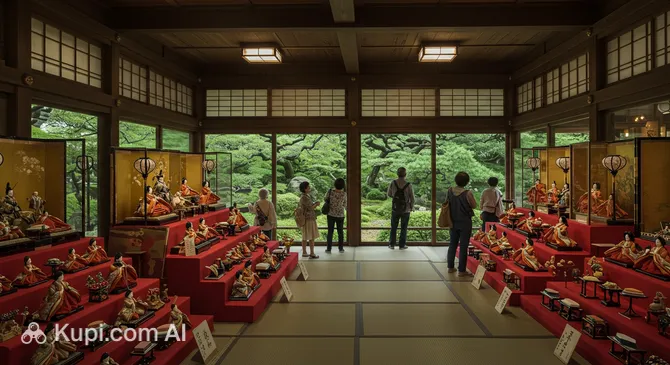
For those interested in rich Japanese culture and traditional art, a visit to the Hina Doll Hall in Inatori Cultural Park is highly recommended. This place is famous for its impressive and large-scale collection of traditional Japanese Hina dolls, which play a central role during the annual Girls' Festival (Hinamatsuri). The exhibition allows guests to immerse themselves in the refined world of Japanese decorative and applied arts and crafts, while the cultural park itself offers a peaceful atmosphere for leisurely strolls and contemplation.

Chamber of Hina Dolls, Inatori Culture Park. Illustration.
Source: Kupi.com AI

Traveler photos:

Local Cuisine

The gastronomic world of Higashiizu is a true immersion into an ocean of flavors, where the freshest seafood plays the leading role. If you are a seafood connoisseur, this town will be a real discovery for you, offering authentic dishes prepared from the catch of the day. The cuisine of Higashiizu attracts tourists with its freshness, unique local products, and the opportunity to taste Japan in a cozy coastal atmosphere.

Be sure to start your morning with a local specialty — "kaisen-don". This is an appetizing bowl of rice topped with an assortment of the freshest seafood, such as tuna, sea urchin, scallops, and shrimp – a real ritual for guests of the town! Another culinary highlight is "onsen-tamago", eggs boiled in hot springs, served with a light salt or soy sauce. Their delicate texture and unusual taste will be remembered for a long time. It is also worth paying attention to dried fish and grilled eel, which are often found on the menus of local establishments.

The food culture in Higashiizu is characterized by its simplicity and authenticity. Along the coast and in the town center, you will find many family-run restaurants and street stalls where you can enjoy traditional dishes. Don't miss the chance to try fragrant miso soup with seaweed or even exotic ice cream made from wasabi grown nearby — it's a real gastronomic experiment! The meal is perfectly complemented by traditional Japanese green tea.

If your trip falls in the autumn months, you will be lucky enough to attend a gastronomic festival dedicated to the gifts of the sea. During this time, the streets of the town turn into lively fairs where you can taste fresh oysters, grilled sea scallops, and exotic seaweed dishes. Local chefs are happy to conduct masterclasses, allowing tourists to get to know Japanese cuisine deeper from the inside. This is a great opportunity not only to eat delicious food but also to learn the secrets of preparing local delicacies.

Travel Tips

Planning a trip to charming Higashiizu? Wonderful! To ensure your journey through this picturesque corner of Japan goes smoothly and leaves only pleasant impressions, we have prepared some practical tips.

  1. Clothing and items for the season: The climate in Higashiizu, as in all of Japan, has distinct seasonality. In summer (June-August), it is hot and humid, so bring light, breathable clothing. Spring (March-May) and autumn (September-November) are ideal times to visit with comfortable temperatures, but evenings can be cool, so a light jacket or sweater will come in handy. In winter (December-February), it's not as cold as in northern regions, but warm clothing is a must. Don't forget comfortable shoes for walking along the coast and visiting local attractions. Also, bring an adapter for electrical appliances (voltage in Japan is 100V, types A and B sockets). If you plan to visit onsens (hot springs), you might need a small towel.
  2. Getting around town: Higashiizu is a small town, and the best way to enjoy its beauty is a combination of public transport and walking. The main forms of transport here are local buses and the Izu Kyuko Line trains, which connect the coastal towns. Taxis are available but can be expensive. Car rental can be a good option if you plan to explore the Izu Peninsula more freely, but note the left-hand traffic and the need for an international driving permit.
  3. Financial matters: The national currency is the Japanese yen (JPY). Credit cards (Visa, Mastercard) are accepted in many hotels, large shops, and restaurants, but in smaller establishments and when buying tickets for local transport, it's better to have cash with you. You can exchange currency at the airport upon arrival or at banks, but the rate may be less favorable. ATMs that accept international cards are available at post offices (Japan Post Bank) and 7-Eleven convenience stores. Tipping in Japan is not customary – good service is already included in the price.
  4. Health and safety: Japan is one of the safest countries in the world, and Higashiizu is no exception. The crime rate here is very low. Pharmacies (薬, kusuri) are easy to find, but not all pharmacists speak English, so it's useful to have a translator app or write down the name of the medicine you need. For serious cases, it is recommended to have travel insurance that covers medical expenses. Tap water is safe to drink.
  5. Communication: The official language is Japanese. In tourist spots and hotels, staff may speak English, but in general, the level of proficiency is not very high. Learn a few basic phrases: "konnichiwa" (hello), "arigato" (thank you), "sumimasen" (excuse me/sorry). For convenience, it is recommended to purchase a local SIM card or rent a pocket Wi-Fi router – this can be done at the airport. Free Wi-Fi is found in hotels and some public places. Useful apps: Google Maps, Japan Travel by NAVITIME, HyperDia (for train schedules).
  6. Local etiquette: Japanese people highly value politeness and respect for tradition. A greeting is usually accompanied by a bow. In public places, especially in transport, try not to make noise or talk loudly on the phone. Before entering homes, some temples, traditional restaurants, and ryokans (Japanese-style inns), it is customary to remove your shoes. When visiting onsens, be sure to wash thoroughly in the shower area before entering the communal bath.
  7. What to avoid: Never stick your chopsticks vertically into your rice – this is associated with funeral rituals and is considered extremely bad manners. Also, try not to eat on the go on the street, unless it is a specially designated place (e.g., street festivals). Loud mobile phone conversations in public transport are also frowned upon.
  8. The specialty of Higashiizu – onsens and nature: Higashiizu is famous for its hot springs (onsens) and picturesque coastline. Be sure to set aside time to relax in one of the local onsens – it is an integral part of Japanese culture. Also, enjoy the freshest seafood for which this region is famous.

We hope these tips help you better prepare for your trip and get the most enjoyment out of your stay in beautiful Higashiizu. We wish you an unforgettable journey!

Entertainment & Nightlife

Higashiizu, being a charming coastal town, offers its guests a quiet and relaxed evening leisure experience rather than the vibrant nightlife of big cities. Here, you won't find noisy districts with neon club signs, but you can enjoy the cozy atmosphere of local establishments and the hospitality of Japan.

Evening entertainment in Higashiizu is centered around traditional Japanese pubs – izakayas, where you can try local dishes and drinks in a casual setting. Small bars and restaurants offering fresh seafood and regional cuisine are also popular. The atmosphere in such places is usually friendly and conducive to conversation. Although there are no specific night clubs on our list, while walking along the central streets or the waterfront, you may discover local spots that stay open until late evening. Most of them are focused on quiet relaxation and do not require a strict dress code.

When planning your evening, keep in mind that many establishments may close earlier than in large cities. The best time to visit is early evening. As for prices, they are generally moderate. You can get around town at night by taxi or on foot if your accommodation is located near your points of interest. Higashiizu is considered a fairly safe town, but standard precautions are always a good idea.

During the day, Higashiizu also offers a variety of leisure options. You can explore the picturesque surroundings, visit local temples, or relax at the hot springs for which the region is famous. Interesting places for a daytime visit include the Hina Doll Hall in Inatori Cultural Park, which features a rich collection of traditional Japanese dolls. If you are traveling with children or simply love animals, you might enjoy the Izu Animal Kingdom.

Chamber of Hina Dolls, Inatori Culture Park. Illustration.
Source: Kupi.com AI

Traveler photos:

Thus, evening in Higashiizu is an opportunity to immerse yourself in the authentic atmosphere of the Japanese province, enjoy delicious food, and have a quiet rest away from the city bustle.

Parks & Museums

Higashiizu, snugly located on the picturesque Izu Peninsula, offers its guests not only magnificent natural landscapes but also interesting opportunities for cultural enrichment. Here you can enjoy both the tranquility of green zones and get acquainted with unique local traditions through museums and cultural centers.

Although Higashiizu is not famous for huge urban parks in the traditional sense, its natural charm and coastal location are themselves the main green attraction. One of the places where you can combine cultural recreation with being in nature is Inatori Cultural Park. It serves as a beautiful setting for the Hina Doll Hall and allows visitors to enjoy the well-kept grounds and peaceful atmosphere. Additionally, the entire Higashiizu coastline is a natural walking area where you can admire ocean views and breathe in the fresh sea breeze.

Chamber of Hina Dolls, Inatori Culture Park. Illustration.
Source: Kupi.com AI

Traveler photos:

Among the city's cultural sites, several places stand out. The Hina Doll Hall (Hina no Yakata), located in the aforementioned Inatori Cultural Park, is a true gem. This museum is dedicated to traditional Japanese Hina dolls, which play an important role in the Hinamatsuri festival. The "Hina no Tsurushi Kazari" exhibition is particularly impressive — thousands of handmade hanging decorations creating a mesmerizing sight. Visiting this hall is a unique opportunity to touch Japanese craftsmanship and local traditions.

For family vacations and getting to know the world of animals, the Izu Animal Kingdom is perfect. This is not just a zoo, but an entire entertainment complex where you can see rare animals such as white tigers, as well as giraffes, capybaras, and many others. The park offers interactive zones and exciting shows, making it interesting for visitors of all ages. It is a great place to spend time in the fresh air and get vivid impressions.

Izu Animal Kingdom. Illustration.
Source: Kupi.com AI

Traveler photos:

As for historical and architectural landmarks, Higashiizu, like many towns on the Izu Peninsula, has preserved the charm of old fishing settlements. Walking through the town, you can find small temples and shrines reflecting local history and culture. While there are no monumental castles here, the authentic atmosphere and traditional architecture of some buildings allow a glimpse into the region's past.

For an authentic experience, we suggest turning off the beaten tourist paths and exploring the narrow streets of Higashiizu's coastal areas. Also, don't miss the chance to visit one of the local onsens (hot springs) – this is an integral part of Japanese culture and a great way to relax after a busy day.

Getting Around

Getting around Higashiizu and its surroundings can be done in several ways, each of which is convenient for certain purposes. The basis of public transport is made up of local buses and rail connections linking the town with other parts of the picturesque Izu Peninsula.

The main form of public transport in Higashiizu is the bus. They run on various routes, connecting the main areas of the town, tourist attractions, and railway stations. For longer trips and connections with other cities, a key role is played by the Izukyu Line, which passes through the town and has several stations here, such as Izu-Inatori and Izu-Atagawa. This line is particularly popular with tourists due to the beautiful views from the train window.

The fare payment system in Higashiizu is quite standard. In buses, payment is most often made in cash directly to the driver upon exiting; it is recommended to have small change with you. On some bus routes and on the Izukyu Line trains, popular Japanese IC cards such as Suica or Pasmo may be accepted, which greatly simplifies the payment process. Train tickets are purchased at stations from machines or ticket offices. Sometimes regional passes covering a wider area of the Izu Peninsula are offered to tourists; their availability should be checked at stations or tourist information centers.

Tourists planning to use public transport in Higashiizu should consider a few points. Bus tickets are usually bought or paid for at the entrance/exit, depending on the system (sometimes you need to take a ticket with a zone number when entering). Train tickets are purchased before boarding. Schedules, especially for buses, may not be as frequent as in large cities, so it is recommended to check them in advance, especially if trips are planned in the evening or on less popular routes. Information at stops and stations may be partially in English, but having offline maps or a translator can be helpful.

In addition to public transport, alternative ways of getting around are available in Higashiizu. Taxis can be found at railway stations and major hotels; this is a convenient, though more expensive option, especially for trips to hard-to-reach places. For those who want to explore the Izu Peninsula at their own pace, car rental is a good choice. In some areas of the town, especially along the coast, bicycle rental may be popular, allowing you to leisurely enjoy the local beauty. Given the scenic nature of the Izukyu Line, the train ride along the coast itself is a kind of attraction.

Accommodation

In the town of Higashiizu, travelers will find a variety of accommodation options to suit different preferences and budgets. The choice includes traditional Japanese inns (ryokans) offering a unique cultural experience, modern hotels, cozy guesthouses, and apartments for short-term rent. Thus, you can find both budget-friendly options and more luxurious places to stay.

When choosing accommodation in Higashiizu, many tourists prefer to stay in areas located near the famous hot springs (onsens) for which this region is renowned. Places with convenient access to the scenic coastline and major tourist attractions are also popular. Some hotels offer breathtaking views of the ocean or the surrounding mountains, adding a special charm to your stay.

When planning a trip, especially during popular tourist seasons like the cherry blossom season or the autumn foliage, it is recommended to book accommodation well in advance. This not only guarantees availability but also allows you to choose the best option in terms of price and quality.

The price range for accommodation in Higashiizu varies from budget options to mid-range hotels and luxury offerings, especially when it comes to full-service ryokans with their own onsens. You can book accommodation through well-known international online platforms (such as Booking.com, Agoda) or directly through hotel websites, which can sometimes provide more favorable terms or special offers.

Nearby Cities

For those who want to explore the surrounding area, Higashiizu serves as an excellent starting point for day trips to several interesting nearby places:

CityPopulationDistance
Ito64 47322 km
Izu28 49324 km
Oshima8 00029 km
Izunokuni46 21230 km
Atami35 27636 km

Shizuoka, the prefectural capital, attracts travelers with its famous tea plantations, picturesque views of Mount Fuji, and the historical Kunozan Toshogu Shrine. It is a great place to experience Japanese culture and nature.

Odawara is known for its majestic Odawara Castle, which played an important role in Japanese history. The city also offers beautiful parks and museums that immerse you in the atmosphere of the feudal era.

Numazu, located on the coast of Suruga Bay, is famous for its freshest seafood and beautiful views of Mount Fuji. Visit the Numazu Imperial Villa or stroll through the bustling port.

Yaizu is one of Japan's largest fishing ports, where you can taste freshly caught tuna and other seafood. The city also offers interesting museums dedicated to maritime themes.

Gotemba is a popular starting point for climbing Mount Fuji and is famous for its Gotemba Premium Outlets, which attract shopping enthusiasts. Breathtaking views of the sacred mountain open up from here.

These nearby destinations provide insight into the diverse culture and landscapes of the Japan region. Each trip promises new discoveries, whether they be historical sights, natural beauties, or unique local traditions.

Shopping & Souvenirs

Higashiizu, a charming town in Shizuoka Prefecture, offers a rather intimate and authentic shopping experience rather than the noisy shopping streets of metropolises. Here you won't find huge malls, but you can immerse yourself in the atmosphere of local shops and purchase unique souvenirs reflecting the culture and nature of Japan and the Izu region. The town is famous for its fresh seafood and the products of local artisans.

In Higashiizu, shopping is mainly concentrated around small stores and souvenir shops located in the central part of the town, as well as near tourist attractions and railway stations. There are no specialized large shopping streets here, but while walking around the town, you will surely come across interesting little shops offering local goods.

There are no large shopping centers in the conventional sense in Higashiizu, which is characteristic of small Japanese towns. However, you can find supermarkets selling food and daily necessities, as well as small department stores offering a diverse range of items, from clothing to household goods.

Special attention should be paid to small local markets if any are held during your visit. This could be a morning market where farmers and fishermen sell fresh produce, or a small souvenir market. Such places are a great opportunity to purchase the freshest seafood, local vegetables and fruits, and to chat with the residents.

As souvenirs from Higashiizu, you should consider:

  • Local delicacies: dried seafood, canned fish, local tea (Shizuoka Prefecture is famous for its tea), citrus products (for example, yuzu or mikan).
  • Handmade products: ceramics, textiles, wooden crafts reflecting local traditions.
  • Onsen-related goods: bath salts, cosmetics based on mineral water, traditional tenugui towels.
  • Dolls and souvenirs: Given the presence of places like the Hina Doll Hall in Inatori Cultural Park, you can find themed souvenirs, such as traditional Japanese dolls or items related to the Hinamatsuri festival. You can also find souvenirs related to other popular spots, like the Izu Animal Kingdom.

Shops in Higashiizu are usually open from 10:00 or 11:00 AM to 6:00 or 7:00 PM. Small family-run shops may have their own schedules. As for payment, most shops and restaurants accept credit cards, however, having cash is always welcome, especially in small shops and at markets. ATMs for withdrawing cash can usually be found at the post office or in convenience stores.

For foreign tourists in Japan, a Tax Free system is available. In shops participating in this program (they usually have a corresponding sticker), when purchasing goods for a certain amount (usually over 5000 yen excluding consumption tax), you can get a tax refund. You will need your passport for this. Check the conditions directly in the shops.

Reached the end of the page?

That means the route is fully explored