Support

Oshima

About

Oshima is a true oasis of tranquility and natural beauty, nestled in the waters of the Pacific Ocean. The city is located on a volcanic island of the same name and offers travelers a unique opportunity to escape the city bustle and enjoy pristine landscapes and a relaxed pace of life.

Administratively, the city is part of the Tokyo Prefecture, yet it is situated about 120 kilometers south of the bustling metropolis as part of the Izu Archipelago. Despite its remote location, there is an invisible connection to the capital, while maintaining the cozy atmosphere of a small settlement with a population of about 8,000 people. Oshima is a gem of Japan, where the subtropical climate and ocean breeze create ideal conditions for year-round relaxation.
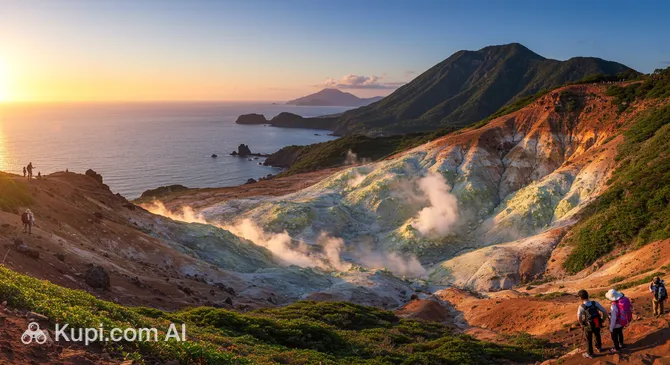
Oshima. Illustration.
Source: Kupi.com AI

The unique landscape, shaped by the powerful forces of nature, has defined not only the island's appearance but also the city's historical heritage. Rugged rocky shores, solidified lava fields, and dense forests create a striking contrast with the crystal-clear turquoise waters of the ocean. One of the main attractions is the majestic Mount Mihara, surrounded by picturesque hiking trails and viewpoints.

Tourists come here not only for the views but also for wellness. Oshima is famous for its hot springs (onsens), many of which are located outdoors. In addition, the city is known for its camellia gardens, which produce the famous camellia oil, and excellent opportunities for diving and snorkeling.

Oshima is worth visiting for those who want to discover a "different," non-touristy side of the region: sincere, hospitable, and filled with harmony. Here, every sunrise and sunset becomes an event, and the fresh air and silence allow for true rejuvenation.
Weather Overview

Weather:

The climate in Oshima is mild and comfortable, making the island a pleasant travel destination almost year-round. Thanks to the influence of the ocean, there are no extreme frosts, and the summer heat is tempered by a fresh breeze. In general, expect warm summers with periodic rainfall and cool winters with moderate temperatures.

The winter months here are quite mild. For example, in January, the average temperature is 8.0°C, while the thermometer rarely drops below 6.1°C. Precipitation during this period is low (about 3 mm), but cloudy days are not uncommon—an average of 9 days with precipitation is recorded.

Summer brings real warmth to the island. The hottest month is August, with an average temperature of 26.5°C and highs of up to 28.0°C. This time of year is characterized by increased humidity: the number of rainy days varies from 15 to 17 per month, though the intensity of rainfall remains moderate. To choose the perfect time for your trip, we recommend checking what the weather in Oshima is expected to be during your holiday dates.

Spring and autumn are transitional seasons that are ideal for outdoor activities. In May, the air warms up to an average of 18.2°C, and in October, the temperature stays at a comfortable 19.3°C, creating excellent conditions for hiking tours to the volcano and walks along the coast.

Average monthly temperature

Average monthly precipitation

Interesting Facts

In addition to its main attractions, Oshima holds many fascinating secrets and legends that only reveal themselves to curious travelers. This island is not just a resort, but a place with deep traditions and a unique connection to the forces of nature.

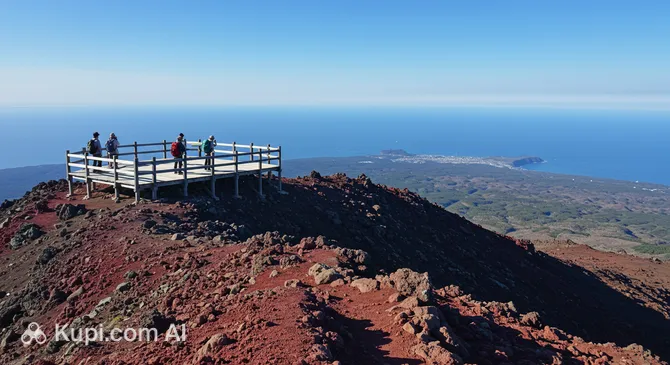
Mt. Gairin Observation Deck (Mt. Mihara Summit Trailhead). Illustration.
Source: Kupi.com AI

Traveler photos:

  • A Movie-Star Volcano. Mount Mihara is known not only for its geological activity but also for its mark on pop culture. The volcano inspired the creators of many Japanese films, and its harsh landscapes, visible from the Gairin Mountain Viewpoint, are often associated with the imprisonment of the famous monster Godzilla in one of the movies.

  • An Island Zoo. Oshima is home to one of the most impressive zoos among Japan's island territories—Oshima Park Zoo. It is not just an entertainment facility but an important nature center where you can see rare species of animals and birds native to this region.

  • A Guardian Shrine. Local residents hold the Mihara Shrine in high regard. There is a belief that it serves as the island's spiritual shield, protecting it from natural disasters and bringing good luck to every traveler who visits.

  • Lava Crafts. Oshima is one of the few places where the volcanic past has become part of everyday art. Masters still work here, creating unique items from volcanic stone, and in the ports, you can see fishing boats built using ancient technologies passed down carefully through generations.

How to Get There

Planning a trip to the island begins with choosing the right route, as there are no direct roads from the mainland. The logistics usually consist of two stages: a flight to one of Japan's major hubs, followed by a transfer to sea transport or a local flight. You can find out more about how to get to Oshima to plan your connections as comfortably as possible.

For most international travelers, Tokyo's airports serve as the gateway. The nearest and most convenient is Haneda (IATA: HND), located within the capital. The distance from there to the island in a straight line is about 97 km. Upon arrival, tourists need to reach the Takeshiba Ferry Terminal by public transport or taxi, from where ships depart for Oshima. Direct flights from Haneda also sometimes occur, but their schedule depends on the season.

Another important hub is Narita International Airport (IATA: NRT), which handles most international flights. It is further away, approximately 146 km from the destination. From Narita, travelers face a transfer to Tokyo (to the Takeshiba Terminal) or to the local Chofu Airport, where small planes make regular flights to the island. Travel time to the ports depends on the chosen mode of ground transport.

The primary way to reach the island itself is by sea. High-speed vessels (Jet Foil) run from the Takeshiba Terminal, delivering passengers in a couple of hours, as well as large overnight ferries that move slower (about 6–8 hours) but allow you to save on accommodation. Ferries also run from the cities of Atami and Ito on the Izu Peninsula.

Below is information about the nearest major mainland airports that serve as transit points:

AirportPassenger trafficDistance
Haneda Airport85.7 mln97 km
Shizuoka Airport691 274108 km
Narita International Airport40.8 mln147 km
Ibaraki Airport776 063186 km
Hachijo Jima Airport380 583186 km

There is no railway service on Oshima itself. Trains, including the famous Shinkansen, are used by tourists exclusively to reach port cities on the Honshu coast. For example, you can take a train to Hamamatsucho Station in Tokyo (near the Takeshiba Terminal) or to stations in Atami and Ito, where the piers for transferring to a ship are located.

Main Attractions

The main natural landmark and symbol of the island is the majestic Mount Mihara. The best way to start exploring it is at a location like the Gairin Mountain Viewpoint (trailhead to the Mihara summit). It offers a breathtaking panorama of the volcanic caldera and the surrounding ocean. This spot serves as the starting point for hiking routes that allow you to get closer to the crater and see the famous "Godzilla" rock, which resembles the legendary monster. A walk here provides a sense of the power of the underground forces that shaped this landscape.

Mt. Gairin Observation Deck (Mt. Mihara Summit Trailhead). Illustration.
Source: Kupi.com AI

Traveler photos:

Another unique geological monument is the "Baumkuchen Stratigraphic Section." This is an impressive rock cross-section along the road, exposing over a hundred layers of volcanic ash and lava accumulated over thousands of years of eruptions. The landmark got its name because of its resemblance to the layered cake popular in Japan. This site vividly demonstrates the island's turbulent history and is considered one of the most photogenic spots for nature lovers.

For those seeking the atmosphere of old Japan, the historical Habu Port is a must-visit. This once-prosperous fishing village has retained the charm of past eras: old wooden buildings, narrow streets, and a calm harbor create a nostalgic mood. The port has inspired many Japanese writers and poets, and a walk here allows you to take a break from the hustle and bustle and enjoy the quiet by the water.

You also shouldn't miss Oshima Park, especially if your trip falls during the winter or spring months. It is home to Japan's largest camellia garden—the symbol of the island. Thousands of blooming trees turn the park into a vibrant sea of color. The grounds also feature a zoo where you can see various animals in near-natural conditions, making it an excellent choice for family outings.

Local Cuisine

The cuisine of Oshima is a hymn to freshness and the generous gifts of the Pacific Ocean. The gastronomic culture here is built around seafood, which reaches the table literally hours after being caught. The menus of local establishments are based on dishes made from fish, crabs, sea urchins, and octopus, prepared according to ancient recipes passed down through generations.

A true culinary signature of the city is "asari-miso." This is a rich soup made from local clams, featuring a thick, aromatic broth that is perfect for restoring strength after walks around the island. Another unique preparation method worth seeing and trying is grilling seafood on hot volcanic stone. This method gives the food a unique flavor and a light smoky aroma, reminding diners of the island's volcanic nature.

Fans of classic Japanese cuisine should look out for sushi and sashimi made from seasonal fish. To appreciate the skill of local chefs and the quality of ingredients, you can visit the Sushiko restaurant, which serves the freshest seafood. Dried fish and various types of seaweed are also popular, often served as snacks or added to soups for a rich flavor.

For those with a sweet tooth, Oshima offers desserts with local citrus and honey, characterized by a delicate and not overly sweet taste. As for drinks, it is worth trying the local milk, which is famous for its quality throughout Japan, as well as refreshing fruit-based drinks. In the evening, the meal can be complemented with Japanese sake or shochu, which pair perfectly with fish dishes.

The dining culture on the island is democratic and warm. Gastronomic festivals are often held here, where chefs compete in culinary arts, turning food into a real celebration. Tourists can grab a bite in cozy family restaurants or at small fairs where farmers offer homemade treats and fresh products straight from the garden.

Travel Tips

A trip to Oshima is an exciting adventure that requires a little advance preparation, as the way of life here is noticeably different from the pace of big cities. To ensure your holiday is as comfortable as possible and free of surprises, we have gathered the most important practical recommendations for travelers.

  1. Clothing and Gear. Even if you're visiting in summer, be sure to bring a windbreaker or light jacket: strong winds often blow on the coast and especially at the summit of Mount Mihara. For walks across solidified lava fields and trekking trails, comfortable, closed shoes with thick soles (sneakers or trekking boots) are essential. If you plan to visit hot springs, bring your own towel, as some public baths do not provide them.
  2. Transport Nuances. This is perhaps the most important point. There are no trains on the island, and buses run infrequently and stop early (often around 5:00 PM). The best way to explore the island is by renting a car or an electric bicycle (the terrain is mountainous). If you don't drive, plan your route carefully around the bus schedule. Apps like Uber do not exist here; taxis must be called by phone, which may require help from hotel staff.
  3. Finances and Cash. Japan is known for its love of cash, and Oshima is no exception. Cards are accepted in hotels, port terminals, and large supermarkets, but in small cafes, souvenir shops, buses, and vending machines, you will need cash yen. ATMs can be found in post offices (JP Bank) and a few shops, but it's better to bring the necessary amount from the "mainland."
  4. Health and Safety. The island is very safe, with virtually no crime. However, keep natural factors in mind: be careful at the edges of the volcanic caldera and follow weather warnings. Drugstores exist, but they are not open 24/7, so it's better to pack a basic first-aid kit with essentials, motion sickness medicine (for the ferry), and sunscreen in advance.
  5. Connectivity and Internet. Free Wi-Fi is guaranteed in port passenger terminals and some tourist centers, but coverage across the island can be unstable. We highly recommend buying a SIM card or renting a pocket router at your arrival airport (Tokyo/Narita). Few people here speak English, so download an offline translator to your smartphone—it will make communicating with locals much easier.
  6. Local Etiquette. Residents of Oshima are very friendly but value peace and respect. Always remove your shoes when entering homes, traditional hotels (ryokans), and some temples. Pay special attention to the rules for visiting onsens: you must wash thoroughly in the shower before entering the communal bath. Tattoos are still banned in many public baths, so check the rules in advance or use special waterproof patches.
  7. What to Avoid. Don't count on late-night shopping or a late dinner without a reservation. Life on the island winds down early: most shops close at 5:00 PM – 6:00 PM, and restaurants by 8:00 PM. Also, avoid walking on moss and plants in the national park—the island's ecosystem is fragile and protected by law.
  8. Critically Important Logistics Tip. Oshima has two main ports: Motomachi and Okata. The arrival and departure point for ferries changes daily depending on wind direction and waves! Be sure to check the current port status on the morning of your departure (ask at the hotel reception or check the carrier's website) so you don't end up at a pier where no ships are docking that day.

Oshima is a place where you can truly slow down and feel one with nature. By following these simple tips, you can avoid minor domestic inconveniences and fully devote yourself to contemplating the majestic volcano, the vast ocean, and the blooming camellias.

Entertainment & Nightlife

Nightlife and entertainment:

The nightlife in Oshima is a far cry from the neon lights and noisy parties of Tokyo. You won't find massive nightclubs with DJs or 24-hour entertainment complexes here. Evening leisure on the island is intimate, relaxed, and authentic, offering tourists a chance to immerse themselves in the local atmosphere of hospitality and calm.

The center of evening activity is the Motomachi port area. This is where most establishments that open their doors after sunset are concentrated. The primary format of nightlife consists of traditional Japanese izakaya bars and so-called "snack bars." An izakaya is a place where you can slowly sip beer or sake and order many small snacks. The atmosphere is always friendly: locals come here to socialize, so the dress code is completely casual.

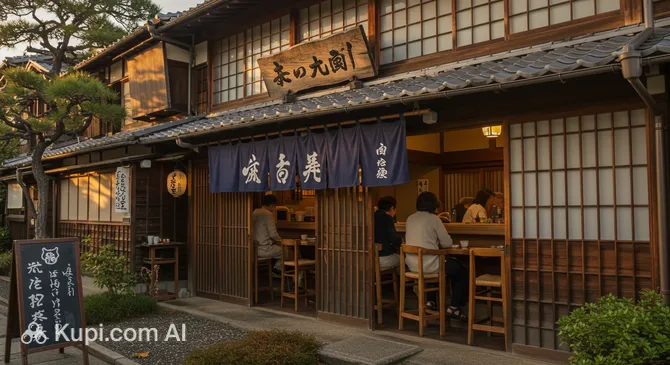
For those who want to enjoy a delicious dinner as well as a drink in the evening, the Sushiko restaurant is an excellent choice. This establishment is popular for its incredibly fresh seafood and cozy setting, perfect for ending the day. After dinner, you can stop by one of the local karaoke bars, which are the main form of entertainment for the islanders. In these places, it's customary to sing songs in a common room, creating a house-party feel.

Sushikou. Illustration.
Source: Kupi.com AI

Traveler photos:

A special kind of "nightlife" on Oshima is provided by nature itself. Thanks to the low light pollution, the island is an ideal place for stargazing. Many tourists go on night tours or simply head to darkened viewpoints to admire the Milky Way. It is a truly mesmerizing sight that takes the place of going to the cinema here.

As for daytime entertainment, it mostly revolves around exploring nature and culture. During the day, it is worth visiting local museums that tell the story of volcanic activity or strolling through picturesque parks. There are no theaters or large shopping malls on the island, but there is the opportunity to enjoy peace and unique landscapes.

Practical tips for evening strolls:

  • Transport: Public buses stop running quite early, often around 5:00 PM – 6:00 PM. If you plan to stay late at a bar, make sure to get the number of a local taxi in advance or ask the owner to call a car for you.
  • Money: Many evening establishments, especially small bars, only accept cash. Be sure to withdraw money beforehand.
  • Safety: Oshima is an exceptionally safe place. You can walk the streets of Motomachi at night without worry. The only danger might be the darkness on unlit road sections, so carrying a flashlight is a good idea.
  • Opening hours: Life on the island winds down early. Many restaurants close by 8:00 PM – 9:00 PM, and while bars may stay open until midnight, it is better to arrive early.

Parks & Museums

The cultural and natural landscape of Oshima is inextricably linked to its volcanic origins and rich flora. Here, travelers can go from "lunar" landscapes of solidified lava to lush subtropical gardens in just a few minutes' drive, while local museums offer a deep dive into the geological history and everyday life of the islanders.

The main natural treasure of the island is Oshima Park (Tokyo Metropolitan Oshima Park). This large-scale complex includes the famous camellia garden, home to thousands of varieties of this flower—the symbol of the island. It is especially beautiful from January to March during the blooming festival. The park also features a free zoo where you can see common animals as well as rare bird species native to the Izu Archipelago. A walk here provides a sense of harmony with nature against the backdrop of the vast ocean.

For lovers of more rugged and majestic views, the Fuji-Hakone-Izu National Park, of which the island is a part, is a must-see. The central point of attraction here is the Gairin Mountain Viewpoint (trailhead to the Mihara summit). This spot serves as the gateway to the active volcano's caldera. Hiking trails across lava fields begin here, allowing visitors to feel the power of the earth's core and enjoy a panorama often compared to alien landscapes.

Among the cultural institutions, the Izu-Oshima Museum of Volcanology holds a special place. It is one of the few museums in the world entirely dedicated to volcanoes. The exhibition is interactive: visitors can descend into a simulated magma chamber, watch films about past eruptions in a special capsule cinema, and learn how the island's unique terrain was formed. It is an educational visit that will interest both adults and children.

To better understand the history of people living in the shadow of the volcano, it is worth visiting the Oshima Town Folk History Museum. It houses everyday items, fishing gear, and tools used by locals for centuries. The museum is located in an old building and conveys the atmosphere of the traditional Japanese countryside, telling the story of the difficult but fascinating life on an isolated island.

Insider Tip: If you're looking for seclusion and beautiful sunsets, head to the "Sunset Palm Line"—a picturesque coastal road in the north of the island. It's a perfect place for a bike ride, with the endless ocean on one side and the majestic Mount Fuji visible on a clear day on the other.

Getting Around

The transport system of Oshima has its own unique features and differs significantly from the infrastructure of major cities in Japan. Since the city is located on an island, there is no railway or subway system. The only form of public transport is scheduled buses connecting the port terminals with the airport, hot springs, and the main attraction—Mount Mihara.

Bus services are operated by the Oshima Bus company. The route network is designed to make it convenient for travelers to reach major tourist locations from the ports of Motomachi and Okata. However, it is important to remember that intervals can be long, especially in the low season. Bus schedules are often timed with the arrival of sea ferries and planes, so it's better to plan your trips in advance by checking the current schedule.

Special attention should be paid to the fare payment system, as it differs from the capital's. Popular transport IC cards (such as Suica or Pasmo) are not accepted on Oshima buses. Payment is made exclusively in cash. You board the bus through the rear door, where you must take a small paper ticket with a stop number. When exiting through the front door, drop the ticket and the corresponding amount of coins into the machine next to the driver. The fare depends on the distance and is displayed on an electronic board. There is a change machine for 1,000 yen bills inside, but it's always better to have change on hand.

For those planning to travel around the island extensively, 1- or 2-day passes (Bus Free Kippu) are a cost-effective solution. They grant unlimited travel on Oshima Bus routes and allow for significant savings, as single tickets for long distances can be expensive. These passes can be purchased at the ticket offices of the Motomachi and Okata ferry terminals.

Many tourists prefer not to rely on schedules and rent a car. This is the most convenient way to explore the island at your own pace, offering complete freedom of movement. Rental of scooters and bicycles is also popular. Given the mountainous terrain and changes in elevation, it is highly recommended to choose electric bicycles to handle the inclines easily.

Taxis are available on the island, with stands located at the port passenger terminals and the airport. This is a comfortable option for short trips or transfers with heavy luggage, but for long tours around the island, the cost can be quite high.

An important logistical nuance on Oshima involves the changeable weather. The arrival port for ferries from the mainland (Motomachi or Okata) is determined daily based on wind direction and waves. The bus schedule is adjusted accordingly: they depart from whichever port the ships are using that day. Be sure to check the current arrival and departure port information in the morning at your hotel or on information boards.

Accommodation

The choice of accommodation on Oshima is quite diverse, though you won't find the usual skyscrapers of international hotel chains here. The island's hospitality is built on coziness and authenticity. Travelers can choose from budget family pensions to comfortable hotels with their own hot springs, where you can relax after climbing the volcano.

Popular Areas to Stay

The most convenient base is the Motomachi port area. This is the island's administrative and tourist center, where most cafes, shops, and transport rental points are concentrated. Staying here puts you within walking distance of infrastructure, which is especially important given the early closing times of many establishments. Another popular area is the vicinity of Okata Port in the north of the island, which is convenient for its proximity to the alternative ferry pier. For those seeking complete privacy and wellness, hotels located on the heights closer to Mount Mihara are ideal: this is where the best onsens with panoramic views are often found.

Types of Accommodation

The main charm of staying on Oshima comes from minshuku—traditional family-run guesthouses. This is a budget-friendly option involving a stay in a room with tatami and futons, as well as shared facilities. The main advantage of a minshuku is the homey atmosphere and excellent dinners featuring fresh local seafood, which are often included in the price. There are also classic hotels and mid-to-high-end ryokans on the island, offering a higher level of service, private baths, and rooms in both Japanese and Western styles.

Booking Tips and Prices

The price range varies from affordable (around 6,000 – 9,000 yen per night in a minshuku) to high (15,000 yen and up in resort hotels with meals). When planning your trip, we strongly recommend choosing a "half-board" rate (breakfast and dinner), as finding an open restaurant after 7:00 PM outside the center can be problematic.

Accommodation should be booked in advance, especially if your trip coincides with peak seasons: the Camellia Festival (late January to March), "Golden Week" (early May), and summer holidays (August). During these times, the best options are snapped up months in advance. Large hotels are available on international booking platforms, but reserving small minshukus may require searching on local Japanese sites or getting help from travel agents.

Nearby Cities

For those looking to explore the surroundings, Oshima serves as an excellent starting point for day trips to several interesting nearby locations:

Although Oshima is an island, water transport connects it to fascinating cities on the Honshu coast. One of the most notable destinations is Odawara. This city is famous for its majestic castle, which is a reconstruction of a medieval fortress, and beautiful parks that are especially popular during the cherry blossom season. Odawara is also considered the gateway to the Hakone resort region.

Fans of fresh seafood and maritime themes should turn their attention to Numazu. This port city is known for its fish markets, where you can taste the best sushi and sashimi from the morning catch. Additionally, a unique deep-sea aquarium is located here, attracting tourists from all over the country.

Another interesting option is a trip to the Kamakurayama area. Neighboring the historical Kamakura, this area offers a peaceful atmosphere, picturesque views of Sagami Bay, and the chance to experience the rich cultural heritage of the region with its ancient temples and shrines.

CityPopulationDistance
Higashiizu11 38929 km
Ito64 47333 km
Izu28 49345 km
Atami35 27646 km
Yugawara23 48050 km

These nearby destinations provide an insight into the diverse culture and landscapes of the region, complementing an island holiday with new experiences.

Shopping & Souvenirs

General Overview

Shopping in Oshima is drastically different from the typical experience in major Japanese metropolises. You won't find multi-story department stores, high-fashion boutiques, or noisy shopping districts with neon signs here. Commerce on the island is local and cozy, focused on natural gifts and traditional crafts. For tourists, this is a wonderful opportunity to purchase authentic goods produced only here and support local artisans. The main assortment in shops includes food products, cosmetics based on local plants, and unique souvenirs.

Main Shopping Districts and Streets

The center of commercial life is the Motomachi port area. Small souvenir shops, family-run stores, and cafes line the main streets leading from the passenger terminal. This is the most convenient place for shopping before your ferry departs. You can stroll leisurely, picking out gifts and chatting with friendly shopkeepers who are happy to tell you about the origin of each item.

Shopping Centers

There are no large shopping malls in the traditional sense on the island. However, the "Buratto House" (Buratto Hausu) center near the airport serves as the primary shopping complex for tourists. This large pavilion sells fresh farm vegetables, plants, and a wide range of local products. You can also try the famous Oshima milk ice cream here, making a visit both useful and delicious.

Markets

There are practically no classic flea markets on Oshima, but direct sales points from local farmers scattered across the island serve as food markets. The freshest seafood can be found in specialized shops near the ports of Motomachi and Okata. Tourists should pay attention to the morning hours when the fresh catch and newly harvested fruits hit the shelves.

Souvenirs

The island's signature product is camellia oil (tsubaki abura). Oshima is famous for its camellia groves, and the oil extracted here is considered one of the best in Japan. It is used in cosmetics and cooking. As a gift, you should also consider bringing back:

  • Products made from ashitaba (angelica leaves)—a plant known for its medicinal properties (tea, noodles, cookies).
  • Kusaya—dried fish with a specific smell but a unique taste, a delicacy for gourmets.
  • "Milk senbei" crackers, made using local milk.
  • Items made from volcanic glass and lava, serving as reminders of the formidable Mount Mihara.

Opening Hours and Payment

Life on the island moves at a relaxed pace, so shops close quite early. Standard hours for souvenir shops are from 9:00 AM to 5:00 PM or 6:00 PM. Supermarkets may stay open until 8:00 PM. Regarding payment, cash (yen) is still the primary method of transaction here. Large souvenir shops at the port and Buratto House accept credit cards, but they may be useless in small shops. We recommend always having a supply of cash with you.

Tax-Free

The Tax-Free system is not well-developed on Oshima. Most local shops do not provide this service, as they are geared toward domestic tourism and everyday demand. Exceptions may include only the largest outlets in passenger terminals, but it's best not to count on it and to check at the register before purchasing.

Reached the end of the page?

That means the route is fully explored