Support

Hibiya Park

About

Hibiya Park is a stunning green oasis located in the heart of Tokyo. Spanning over 16 hectares in the Chiyoda special ward, it serves as a living reminder of how Japan opened its doors to the world. This site is notable for being the country's first public space designed in a European style, harmoniously blending Western landscaping traditions with Eastern contemplativeness.
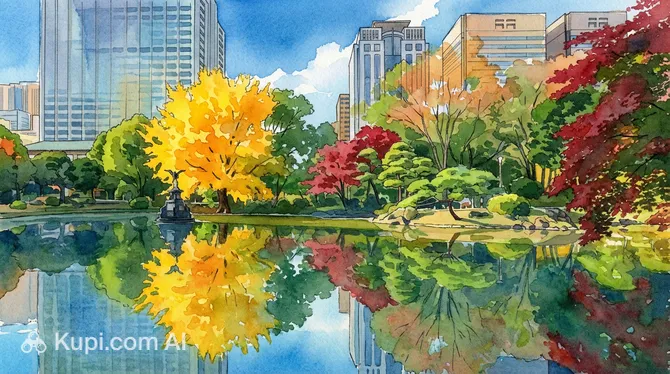
Hibiya Park. Illustration.
Source: Kupi.com AI

Traveler photos:

The park's territory is divided into zones where the strict geometric forms of Western gardens sit alongside picturesque Japanese ponds and fountains. Approximately 200 species of trees grow here, including the famous dogwoods—a gift from Washington, D.C. A special charm is added by the Shisei Kaikan, a brick building in the Gothic style that rises majestically above the emerald foliage.

For residents and visitors of the metropolis, Hibiya is more than just a park; it is the city's "drawing room." Situated between the bustling Ginza district and the Imperial Gardens, it offers a rare opportunity to enjoy the silence, admiring the seasonal blooming of tulips and nemophilas or observing local birdlife, such as cranes and kingfishers.

Contacts

When planning a stroll through Hibiya Park, it is worth checking the latest information on current events in advance. Although the park is an open public space, the operating hours of individual pavilions or restaurants on its grounds may vary.

We recommend checking the official website or confirming details by phone before your visit to Tokyo to ensure your visit is as comfortable and fulfilling as possible.

How to contactContact
Address1-6 Hibiyakōen, Chiyoda City, Tokyo 100-0012, Япония
Phone+81 3-3501-6428
Websitewww.tokyo-park.or.jp

What to Do

A visit to Hibiya Park offers guests of Tokyo many options for a peaceful and cultural getaway. One of the main highlights remains leisurely walks along the shaded paths and relaxing on benches by the central fountains. Nature lovers can spend time watching the koi in the ponds or trying to spot a rare kingfisher amidst the lush greenery. In spring, the park turns into a colorful canvas thanks to blooming tulips, while in autumn, it attracts photographers with its crimson maple leaves.

For those who prefer active leisure, the park features tennis courts and an open-air concert stage, where musical performances and food festivals often take place on weekends. Don't forget to seek out the unusual artifacts hidden in the park, such as the "stone money" from Yap Island—a huge stone coin considered one of the site's symbols of good luck.

During lunch hours, you can see many local office workers enjoying picnics under the pine trees, creating a special atmosphere of everyday life in the Japanese capital. Restaurants and small cafes located on the grounds allow for a quick snack without leaving this serene corner of nature.

Getting There

Located in the heart of Tokyo, Hibiya Park boasts excellent transport accessibility. The easiest way to get here is by subway: the nearest stations—Hibiya, Kasumigaseki, and Yurakucho—are just a few minutes' walk from the park entrances. The extensive subway network makes traveling from any part of the city fast and convenient.

If you are in the popular Ginza or Shimbashi districts, a walk to the park will take no more than 10–15 minutes. The route passes through vibrant urban blocks, allowing you to feel the rhythm of the Japanese capital. The park is also easily reachable by taxi; simply give the driver the address in the Chiyoda district: 1-6 Hibiyakōen.

Nearest city: Tokyo

History & Facts

The history of Hibiya Park is closely intertwined with the modernization of Japan during the Meiji era. Before becoming a public park in 1903, the area was used for military parades, and in earlier centuries, it housed the estates of influential daimyo feudal lords. The decision to transform this plot into the country's first Western-style park was a bold step, symbolizing Japan's cultural rapprochement with Europe.

The park has endured severe trials, including the devastating Great Kanto Earthquake of 1923. However, its rapid reconstruction turned it into a symbol of the city's resilience. In 1929, the Shisei Kaikan building was added; constructed of red brick in a Gothic style, it remains one of the district's most recognizable architectural landmarks today.

An interesting historical fact is the origin of the local dogwood trees. In the early 20th century, they were sent as a gift from the United States in gratitude for the cherry blossom saplings that the Japanese government had sent to Washington, D.C. This "diplomatic tree exchange" continues to delight visitors with its blooms, serving as a reminder of the park's international ties.

Time Needed

To leisurely walk through the main paths of Hibiya Park, see the fountains, ponds, and architectural monuments, most travelers will need between 1 and 2 hours. This is sufficient for an introductory walk and a brief rest by the water.

However, if your visit coincides with the peak blooming periods in spring or autumn, or if one of the many cultural festivals is taking place, we recommend setting aside at least 3 hours. This will allow you to fully enjoy the festive atmosphere and take beautiful photos without rushing.

Working Hours

One of the advantages of Hibiya Park is its accessibility: it is open to visitors 24 hours a day, seven days a week. This makes it an ideal spot for both early morning walks before the workday begins and quiet evening strolls under the city lights.

While the main grounds are accessible around the clock, please note that internal facilities such as tennis courts, restaurants, or concert venues operate on their own schedules. For attending events or planning a meal, we recommend checking their operating hours on the park's official resources.

Open 24 hours

Nearby

The location of Hibiya Park makes it easy to combine your visit with other iconic sites in Tokyo. Just a few steps away is the majestic Kokyo Gaien National Garden, adjacent to the Imperial Palace grounds, where you can see the historic Sakurada Gate and the famous bridges.

For those who want to swap natural landscapes for modern urban entertainment, the Tokyo Midtown Hibiya complex is nearby, featuring numerous shops and cinemas. Also close by is the legendary Imperial Hotel Tokyo, whose history is inextricably linked to the development of this area.

NameDistance
Nijubashi Bridge0.8 km
Tokyo Imperial Palace1.3 km
teamLab Borderless1.7 km
Suga Shrine3.2 km
Kidzania Tokyo3.7 km
Nezu Museum3.7 km
Blue Note Tokyo3.8 km

Reached the end of the page?

That means the route is fully explored