Support

The Railway Museum

About

The Railway Museum in Japan is one of the world's largest centers dedicated to rail transport. Located in the Omiya district of Saitama City, just outside Tokyo, it opened its doors in 2007 to mark the 20th anniversary of JR East. This is more than just an exhibition of old machinery; it's a massive interactive space covering over 42,000 square meters, where history comes alive through the sound of whistles and the gleam of steel hulls.
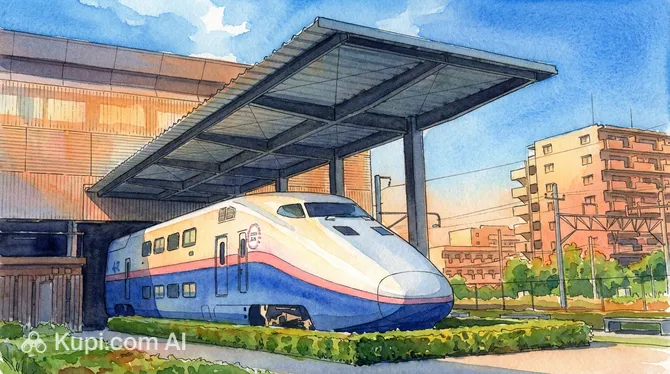
The Railway Museum. Illustration.
Source: Kupi.com AI

Traveler photos:

The museum's collection covers the entire development of Japanese railways: from the first steam locomotive brought from Great Britain in 1872 to the legendary Shinkansen high-speed trains. Visitors can see around 30 authentic locomotives and carriages, including luxurious imperial trains from the Meiji and Taisho eras. Many of the trains are open to visitors, allowing you to experience the atmosphere of different eras first-hand.

The interactive zones, where technology meets education, are of particular value. It features the largest railway diorama in the country, as well as modern simulators that allow you to try your hand as a train driver. This innovative approach to presenting information makes the museum popular not only with tech enthusiasts but also with families with children.

Contacts

To ensure your visit to the Railway Museum is as comfortable as possible, we recommend checking for the latest information in advance. Before your trip, it's worth visiting official resources to find out about any program changes or special exhibitions.

How to contactContact
AddressЯпония, 〒330-0852 埼玉県さいたま市大宮区大成町3丁目47
Phone+81 48-651-0088
Websitewww.railway-museum.jp

What to Do

Visiting the Railway Museum is a true adventure where you can not only observe but also actively interact with the exhibits. A highlight is the opportunity to step inside historic trains, explore driver's cabs, and see the luxurious interiors of imperial carriages. Twice a day, there's a spectacular show: the rotation of a massive Class C57 steam locomotive on the turntable, accompanied by its loud, historic whistle.

Tech enthusiasts should definitely try the interactive simulators. You can take the controls of the legendary D51 steam locomotive or a modern express train, feeling the vibrations and watching the landscape pass by on the screens. Equally impressive is the giant diorama with miniature trains moving through a complex network of tracks across detailed urban and natural landscapes.

For children, there's a miniature railway in the outdoor area where young guests can drive toy trains on tracks themselves. When it's time for a break, head to the panoramic restaurant on the roof. It offers an excellent view of the active mainline, where real Shinkansens whiz by at high speeds, creating a striking contrast between the history inside the museum and the reality outside.

Getting There

The Railway Museum is located at: 3-47 Taisei-cho, Omiya-ku, Saitama City. The easiest and fastest way to get here from Tokyo is by taking the Saikyo Line or Tohoku Shinkansen to Omiya Station. The journey takes only 20–30 minutes, after which the museum is a 15-minute walk or a short ride on a dedicated shuttle.

If you're coming from other parts of the capital, such as Shinjuku or Ikebukuro, direct trains will get you to Omiya in 25–40 minutes. Travelers arriving from Narita Airport can take the Narita Express, which goes directly to Omiya Station in about an hour. This makes the museum an ideal destination for a day trip.

For those who prefer to drive, there is parking for 500 cars, costing about 1,000 yen per day. Simply follow the Kan-Etsu Expressway to the Omiya IC exit, and you'll be there in 10 minutes. However, taking the train is a great thematic start to your journey.

Nearest city: Tokyo

History & Facts

The Railway Museum opened on October 14, 2007, succeeding the historic Transportation Museum in Tokyo. Its creation by JR East was aimed at preserving the rich heritage that shaped modern Japan. The centerpiece is Locomotive No. 1 — the first steam engine to run on the Shimbashi–Yokohama line in 1872, marking the beginning of the railway era in the country.

The museum's history is divided into eight thematic periods, each reflecting an important stage in the country's development: from Meiji-era steam engines to the global triumph of high-speed rail in the 1970s. Here, you can trace how engineering solutions and train designs evolved under the influence of time and social needs. Many exhibits, including the imperial carriages, are designated as Important Cultural Properties of Japan.

In 2018, the museum expanded significantly with the opening of the South Wing. This phase emphasized the institution's commitment to being more than just a repository of the past, but also an educational center focusing on the future of transport and eco-friendly technologies. The museum vividly demonstrates how railways became the backbone of the economy and a symbol of Japanese progress.

Time Needed

When planning a visit to the Railway Museum, you should set aside at least 3–4 hours. This is enough time to leisurely explore the main halls, study the diorama, and try a few simulators. If you plan to study every exhibit in detail or watch all the video materials, your visit might take longer.

For families traveling with children, we recommend allowing about 5 hours or even a full day. Numerous play areas, outdoor spaces, and the chance to have lunch in a themed café make the museum a full-day destination that's hard to pull little explorers away from until closing time.

Working Hours

The museum doors are open to visitors daily from 10:00 AM to 5:00 PM. Note that last entry is at 4:30 PM, so it's best to arrive in the morning. Please be aware that the museum is typically closed on Tuesdays, except on certain holidays.

The operating schedule may change depending on the season or Japanese national holidays. To avoid disappointment, it's recommended to check the current schedule on the official website before visiting.

DayWorking hours
Monday10:00–17:00
TuesdayЗакрыто
Wednesday10:00–17:00
Thursday10:00–17:00
Friday10:00–17:00
Saturday10:00–17:00
Sunday10:00–17:00

Nearby

A visit to the museum can be perfectly combined with a walk around the Omiya area. Very close by is the majestic Hikawa Shrine (Musashi Ichinomiya Hikawa-jinja)—one of the oldest shrines in the region with an impressive tree-lined approach. This location allows you to swap the high-tech atmosphere of the museum for the peace and tranquility of traditional Japan.

Nature lovers should visit Omiya Park, which is especially beautiful during the cherry blossom season. This combination of a technical museum and scenic park areas will make your day in Saitama rich and diverse, allowing you to see different facets of Japanese culture and history.

NameDistance
Studio Tour Tokyo – The Making of Harry Potter19.7 km
Adachi Park of Living Things22.2 km
Ghibli Museum25.4 km
Tokyo National Museum26.6 km
National Museum of Nature and Science26.8 km
The National Museum of Western Art26.9 km
Suga Shrine27.9 km

Reached the end of the page?

That means the route is fully explored