Support

Madrid Zoo Aquarium

About

The Madrid Zoo Aquarium is one of the most impressive attractions in Madrid, located within the massive Casa de Campo park. As one of the largest zoological gardens in the world, it offers visitors a unique opportunity to travel through the fauna of all five continents. This massive complex in Spain covers over 20 hectares and combines a classic zoo, a modern aquarium, a dolphinarium, and an aviary.
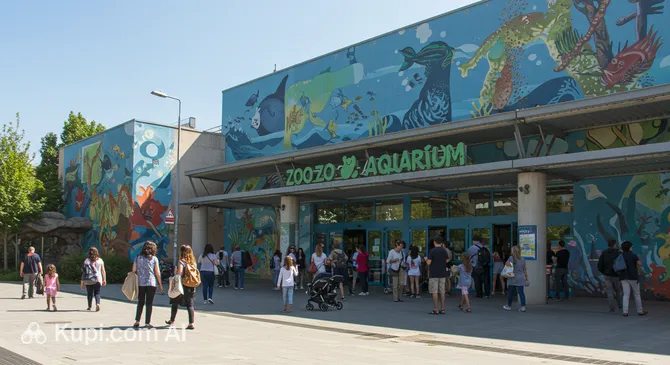
Madrid Zoo Aquarium. Illustration.
Source: Kupi.com AI

Traveler photos:

The zoo's collection includes about 6,000 animals representing more than 500 different species. For convenience and clarity, the entire territory is divided into geographical zones corresponding to the continents. This allows guests to easily move from the Asian plains, home to elephants and yaks, to the African savanna with giraffes, zebras, and gorillas. You can also find rarer animals here, such as koalas and anteaters.

A particular point of pride for the Madrid Zoo Aquarium is its giant pandas. It is one of the few zoological parks in the world where you can see these rare and charming animals. In addition to observing the pandas, visitors can enjoy spectacular shows featuring dolphins, sea lions, and exotic birds. The aquarium, in turn, amazes with its variety of marine life, including an impressive shark tunnel, making a visit here truly unforgettable.

Contacts

To get the most up-to-date information on opening hours, ticket prices, and special events, it is recommended to visit the official website of the Madrid Zoo Aquarium. You can also contact the administration by phone for further details.

How to contactContact
AddressCasa de Campo, S/N, Moncloa - Aravaca, 28011 Madrid, Spain
Phone number+34 911 54 74 79
Websitewww.zoomadrid.com

What to Do

A visit to the Madrid Zoo Aquarium offers guests a fascinating journey through the fauna of five continents. The entire area is divided into themed zones, allowing you to consistently get acquainted with the inhabitants of different corners of the planet. In the European sector, you will encounter animals such as the brown bear, lynx, bison, and several species of deer. Moving to the Asian section, you can observe the lives of camels, Indian rhinos, and yaks. The giant panda enclosures are particularly popular with visitors.

In addition to animal observation, the zoo offers many other activities. One of the highlights for many guests is a visit to the dolphinarium, which hosts regular, exciting shows featuring marine animals. These performances demonstrate the intelligence and grace of dolphins and consistently draw full crowds. There is also a "Little Farm" on-site, where young visitors can get up close and personal with domestic animals.

To ensure guest convenience, the zoo has a well-developed infrastructure. Its extensive grounds feature many relaxation areas where you can take a breather in the shade of the trees. If you get hungry, numerous cafes, fast-food outlets, and restaurants are at your service. To take a piece of your experience home, you can stop by the souvenir shops, which offer a variety of gifts for the whole family.

Getting There

Getting to the Madrid Zoo Aquarium is quite easy, as it is located in the famous Casa de Campo park and has excellent transport links to the city center. The most convenient and popular way is to use public transport, which will quickly take you right to the entrance of this wonderful world of wildlife.

The preferred option for many tourists and locals is the Metro. You need to take lines 5 or 10 and get off at the Casa de Campo station. The metro exit is in the immediate vicinity of the zoo, so you will easily find your way following the signs. You can also reach the zoo by city bus No. 33. This route is also very convenient and passes through several city districts, allowing you to choose the most suitable stop.

If you prefer comfort and speed, you can use taxi services. A trip from the center of Madrid takes about 15–20 minutes depending on the traffic. For those traveling by car, there is free parking next to the zoo. Additionally, there is a more scenic way to reach Casa de Campo—the Teleférico cable car, which connects the park with the Argüelles district (Argüelles metro station). This ride will give you unforgettable bird's-eye views of the city.

Nearest city: Madrid

History & Facts

The history of the Madrid Zoo Aquarium dates back to 1770, when its predecessor, "Casa de Fieras," was founded by decree of King Charles III. Initially, this royal menagerie was located in the famous Retiro Park and served to showcase exotic animals brought from all corners of the world, including Spanish colonies. At that time, visitors could see animals as rare and amazing for Europe as lions, tigers, and elephants.

An important milestone in the zoo's development was 1972, when it was moved to its current location in the expansive Casa de Campo park. This move was part of a major modernization program aimed at creating more spacious and natural habitats for the animals. Thanks to this step, the zoo not only significantly expanded its territory but was also able to implement cutting-edge animal care practices for its time.

Today, the Madrid Zoo Aquarium, while remaining property of the city of Madrid, is managed by the international operator Parques Reunidos. Its high status in the zoological world is confirmed by its membership in prestigious organizations—the European Association of Zoos and Aquaria (EAZA) and the World Association of Zoos and Aquariums (WAZA). This reflects the zoo's commitment in Spain to strict standards in animal welfare, conservation activities, and educational programs.

Time Needed

To fully enjoy your visit to the Madrid Zoo Aquarium, it is worth setting aside at least half a day. Given the complex's vast territory, which covers over 20 hectares, and the diversity of its inhabitants, a quick walk will not allow you to get a complete experience. A brief look at the main enclosures might take 3-4 hours, but to explore all the themed zones without rushing, visit the aquarium, and see at least one of the shows, it is better to plan a visit lasting 4 to 6 hours.

The time spent at the zoo largely depends on your interest in its various parts. Animal shows, such as performances by dolphins, sea lions, and birds of prey, can take up a significant portion of your visit. These shows run on a schedule, so it is recommended to check it at the entrance to plan your route. Additionally, consider the time needed to move between continental zones, leisurely observe the animals—especially rare ones like giant pandas—and visit the two-level aquarium with its impressive shark tunnel.

For the most comfortable and informative visit, it's best to arrive at the zoo in the morning. This will help you avoid long queues, especially on weekends, and allow you to explore all corners of the park peacefully. Don't forget to factor in time for rest and lunch at one of the local cafes. Remember that the Madrid Zoo Aquarium is not just a collection of animals, but a place for a full day of relaxation where everyone will find something fascinating.

Working Hours

The Madrid Zoo Aquarium in Madrid is open to visitors year-round; however, its operating hours can vary significantly depending on the season, day of the week, and holidays. Typically, the zoo opens at 11:00, and closing times range from 17:00 on weekdays in autumn and winter to 20:00 in the summer months. Entry usually stops an hour before the park closes. To avoid any misunderstandings, it is highly recommended to check the current schedule on the zoo's official website before your visit.

To guarantee your visit and avoid long queues, especially during peak periods, it is very wise to buy tickets online in advance. This will not only save you time but also make your visit more planned and comfortable. Pre-booking is not mandatory but is highly recommended for everyone who wants to get the most out of visiting this iconic landmark in Spain.

11:00 – 20:00

Nearby

Visiting the Madrid Zoo Aquarium is an exciting adventure in itself, but its location in Madrid's largest park opens up even more opportunities for exploration. Exploring the surroundings will allow you not only to diversify your day but also to dive deeper into the city's atmosphere, complementing your impressions of the wildlife with an introduction to the cultural and historical sites of Spain.

The zoo itself is located within the vast Casa de Campo park, which is an attraction in its own right. After meeting the animals, you can easily reach other iconic spots nearby. Below is a list of interesting sites located within a few kilometers of the zoo, making them perfect additions to your itinerary.

NameDistance
Casa de Campo1.9 km
Temple of Debod4 km
Royal Palace of Madrid4.1 km
San Miguel Market4.5 km
Plaza Mayor4.6 km
Rosi La Loca5 km
Inclán Brutal Bar5.1 km

Have you reached the end of the page?

So the route has been studied inside and out