Support

Spangdahlem

About

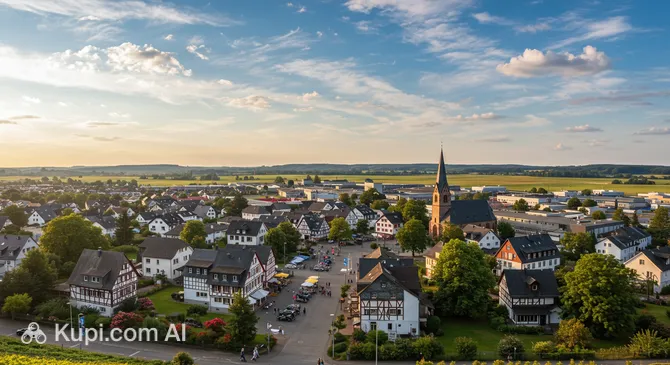
Welcome to Spangdahlem, a distinctive municipality nestled in the scenic Eifel region. While it is globally recognized for hosting a significant United States Air Force base, the village itself offers a peaceful atmosphere and a genuine glimpse into the rural life of Germany. Visitors often appreciate the unique blend of local traditions and the vibrant international community that characterizes this area, creating a welcoming environment for travelers from all walks of life.

Spangdahlem. Source: Kupi.Binoculars

Geographically, Spangdahlem is located in the state of Rhineland-Palatinate, surrounded by the rolling hills, dense forests, and river valleys that define the Southern Eifel landscape. The climate is temperate, offering distinct seasons that transform the scenery from lush greenery in the summer to picturesque snowy vistas in the winter. Although the local village population is modest, the area is lively and diverse, serving as a bridge between cultures in a beautiful natural setting.

For those keen to learn more about the local heritage, the history of Spangdahlem offers interesting insights into how this small agricultural community evolved over the centuries. One of the key architectural landmarks is the parish church of St. Nikolaus, which stands as a focal point for the village. Additionally, the town serves as an excellent base for outdoor enthusiasts, with numerous hiking and cycling trails winding through the nearby countryside and the serene Kyll valley.

Whether you are passing through on a tour of the Eifel or visiting the local community, Spangdahlem provides a charming and convenient stop. Its proximity to the historic city of Trier and the famous brewery town of Bitburg makes it a perfect starting point for exploring the wider region's rich culture and natural beauty.

Weather Overview

Spangdahlem experiences a temperate climate with distinct seasonal changes, offering mild summers and cool to cold winters. Visitors can generally expect comfortable temperatures for outdoor exploration during the middle of the year, though it is wise to be prepared for precipitation regardless of the season. To help plan your packing list, you can check the detailed forecast for weather in Spangdahlem.

During the summer months of June through August, the weather is most inviting, with average temperatures ranging from 16.9°C to 18.3°C and daily highs peaking around 22.8°C. While this is the warmest time of year, rain remains a possibility, with approximately 11 to 14 wet days recorded each month. Spring and autumn serve as transitional periods; May sees pleasant highs of nearly 17°C, while October cools down to averages around 10.9°C.

Winter brings noticeably colder conditions, particularly in January and December, when average temperatures drop to between 2.1°C and 3.2°C. Nights can be chilly with lows nearing the freezing point, and these months also tend to be the dampest, seeing up to 17 wet days. Overall, expect warm summers with occasional rain and cold, relatively wet winters.

Interesting Facts

Beyond the main attractions and its well-known military association, Spangdahlem holds many fascinating secrets that offer a deeper understanding of this Eifel community. Here are a few unique aspects of the village that often go unnoticed by casual passersby.

  • A Tale of Two Villages: The name "Spangdahlem" is actually a combination of two formerly independent settlements: Spang and Dahlem. Although they merged to form a single municipality, the layout of the town still reflects its dual origins, and some long-time residents maintain a strong sense of identity tied to their specific historic section of the community.

  • Ancient Roman Neighbors: The village is situated in a region rich with ancient history, lying just a short distance from Trier, the oldest city in Germany. The surrounding countryside is crisscrossed by former Roman roads, and it is not uncommon for the area to yield archaeological finds that date back to the days of the Roman Empire.

  • A Cultural Mosaic: Due to the long-standing international presence, Spangdahlem is often affectionately referred to as a "Little America" within the Eifel region. This unique demographic has fostered a rare cultural blend where American holidays are celebrated alongside traditional German festivals, creating a vibrant, cross-cultural community atmosphere found in few other places.

  • Volcanic Heritage: Geologically, the municipality sits within the Southern Eifel, a landscape shaped by ancient volcanic activity. While the volcanoes are long extinct, this fiery past has sculpted the distinct rolling hills and fertile valleys that provide the scenic backdrop for the village today.

How to Get There

Reaching this scenic part of the Eifel region requires a bit of planning, as the municipality is tucked away in a rural setting. For a comprehensive guide on the best travel routes, you can read more about how to get to Spangdahlem. Below, you will find an overview of the nearest major transport hubs that serve as convenient gateways to the area.

The city of Spangdahlem does not have its own airport, but several options are available within a reasonable driving distance. The closest facility is Frankfurt-Hahn Airport (IATA: HHN), located in the Hunsrück region approximately 41.8 km from Spangdahlem. Although it serves Frankfurt am Main, it is situated quite far from that city, making it a convenient local hub for the Eifel; the drive typically takes about 45 minutes. Another excellent option is Luxembourg Airport (IATA: LUX) in Luxembourg City, which is roughly 52.5 km away, with a travel time of around 50 minutes by car. For those looking for a major international hub, Cologne Bonn Airport (IATA: CGN) is situated 104.1 km away, requiring a transfer time of approximately 1 hour and 15 minutes by road.

For clarity, here is a summary of the main airports:

Airport Name City Passenger Traffic Km from City
Cologne Bonn Airport Cologne High 104.1
Luxembourg Airport Luxembourg City Medium 52.5
Frankfurt-Hahn Airport Frankfurt am Main Medium 41.8
Liege Airport Liege Low 114.3
Metz-Nancy-Lorraine Airport Metz Low 116.1

Traveling by train is another viable way to approach the region, although Spangdahlem does not have a railway station of its own. You can arrive at Koblenz Hauptbahnhof in the city of Koblenz, which is about 76.3 km from Spangdahlem. From there, a taxi or rental car journey takes roughly 1 hour. Alternatively, travelers often use Bonn Hauptbahnhof in the city of Bonn, located approximately 88.1 km away, requiring a subsequent road journey of about 1 hour and 15 minutes.

Below is a list of the nearest railway stations:

Station City Passenger Traffic Km to Center
Bonn Hauptbahnhof Bonn High 88.1
Koblenz Hauptbahnhof Koblenz High 76.3
Liège-Guillemins Station Liege Medium 106.8
Kaiserslautern Station Kaiserslautern Medium 99.3
Aachen Hauptbahnhof Aachen Medium 96.7

Main Attractions

While Spangdahlem is a small municipality, it serves as an excellent gateway to the cultural and historical treasures of the Eifel region. Within the village itself and in the immediate vicinity, visitors can discover fascinating heritage sites that reflect the area's deep religious roots and medieval past. From ancient architectural remnants to imposing castle ruins, the local sights offer a rewarding experience for history enthusiasts and nature lovers alike.

One of the most significant local landmarks is the Parish Church of St. Nikolaus, located directly in the village. This church is a testament to the community's long-standing history, with its Romanesque tower dating back to the 12th century. Inside, art lovers will find a remarkable treasure: the "Entombment of Christ," a detailed sculpture group created in 1643. Originally housed in a nearby abbey, this piece of baroque art found its way to Spangdahlem in the 19th century and remains a point of pride for the local parishioners.

Just a short drive from the village lies the serene Himmerod Abbey, a Cistercian monastery founded in 1134 by Saint Bernard of Clairvaux. Although the monastic community has evolved over time, the site remains a spiritual and cultural center. Visitors are drawn to the impressive baroque church, which dominates the complex, and the "Old Mill," which now houses a museum. The abbey's peaceful surroundings, nestled in the Salm Valley, make it a perfect spot for a quiet afternoon walk and reflection.

For a glimpse into the feudal history of Germany, the Manderscheid Castles are a must-visit attraction located approximately 30 minutes away. The site features the ruins of two fortresses, the Oberburg (Upper Castle) and the Niederburg (Lower Castle), separated by the Lieser River. These fortifications once belonged to rival powers, and their proximity tells a dramatic story of medieval conflict. Today, they provide a spectacular backdrop for hiking and are the venue for a popular medieval festival held every summer.

Nature enthusiasts often combine a trip to the castles with a visit to the Eifelpark Gondorf. This large wildlife and leisure park offers a mix of nature experiences and entertainment. It is home to native animals such as bears, wolves, and lynxes living in large enclosures, making it an ideal destination for families who want to observe local wildlife in a natural forest setting while enjoying the rolling landscapes of the region.

Local Cuisine

The culinary landscape of Spangdahlem and the surrounding Eifel region is defined by hearty, rustic, and honest flavors that reflect its agricultural roots. This is not the place for delicate, small-portioned haute cuisine; instead, visitors can expect substantial, warming meals designed to satisfy a hard day's work in the rolling hills. The local food culture is deeply traditional, relying heavily on potatoes, pork, and game meat sourced directly from the nearby forests, offering a genuine taste of rural German life.

The undisputed king of the local kitchen is Döppekooche (sometimes spelled Döppekoche), a savory potato cake that is a must-try for any visitor. Originally considered a "poor man's goose" eaten around St. Martin's Day, it has become a beloved regional specialty. Grated potatoes, onions, eggs, and spices are mixed with bacon or sausage and baked in a cast-iron pot (the "Döppe") until a thick, crispy crust forms. It is traditionally served with a side of sweet apple sauce, creating a delicious contrast between savory and sweet that locals adore.

Another classic worth seeking out is Himmel un Ääd ("Heaven and Earth"), a dish that combines the "heavenly" apples (from the orchard trees) with the "earthy" potatoes. These are mashed together and typically served with slices of fried black pudding (Flönz) or liverwurst. For meat lovers, the region's dense forests provide an abundance of high-quality game. During the hunting season, many local guesthouses feature venison (Hirsch) or wild boar (Wildschwein) stews, often paired with red cabbage and dumplings, showcasing the fresh, seasonal ingredients of the area.

When it comes to drinks, Spangdahlem sits in the shadow of one of the country's most famous breweries. Bitburger Pils, brewed just a few kilometers away in the town of Bitburg, is the standard beverage of choice and is served fresh on tap in almost every establishment. For something more specific to the Moselle-Eifel border region, try Viez. This is a tart, refreshing apple wine (cider) that can be drunk pure or mixed with sparkling water or lemonade. It is particularly refreshing in the summer and is served in a traditional porcelain mug known as a Porz.

Dining in Spangdahlem offers a mix of international influences due to the nearby air base, but the authentic experience is found in the traditional Gasthäuser (guest houses). These family-run inns feature cozy, wood-paneled interiors and a welcoming atmosphere where locals gather to socialize. In the afternoons, the tradition of Kaffee und Kuchen (coffee and cake) is very much alive; stopping at a local bakery or cafe for a slice of fruit tart or cheesecake is the perfect way to relax and soak in the village pace.

Travel Tips

Visiting Spangdahlem offers a unique opportunity to experience the peaceful Eifel countryside alongside a vibrant international community. To ensure your trip is as smooth and enjoyable as possible, here are some practical tips to help you navigate local customs, logistics, and daily life in this charming part of Germany.

  1. Clothing and Gear: The weather in the Eifel region is known for being unpredictable, so dressing in layers is the best strategy. Even in summer, evenings can be cool, and rain is possible year-round, so a waterproof jacket and a sturdy umbrella are essential packing items. If you plan to explore the scenic hiking trails nearby, bring comfortable, water-resistant walking shoes. For visiting religious sites like St. Nikolaus Church, modest attire covering shoulders and knees is respectful.

  2. Transportation: While there is a local bus network (VRT), services in rural villages like Spangdahlem can be infrequent, especially on weekends and evenings. Renting a car is highly recommended to fully explore the region, including nearby castles and cities like Trier. Taxis are available but usually require booking in advance; do not expect to hail one on the street. Ride-hailing apps are generally not active in this rural area.

  3. Finances: The local currency is the Euro (€). While supermarkets and larger restaurants accept credit cards (Visa and Mastercard are increasingly common), "Cash is King" (Nur Bares ist Wahres) still applies in many smaller bakeries, traditional guesthouses (Gasthäuser), and cafes. It is wise to carry cash for small purchases. When tipping, it is customary to round up the bill or leave about 5-10% for good service.

  4. Health and Safety: Spangdahlem is a very safe community with low crime rates. For minor health issues, look for a pharmacy (Apotheke), identified by a large red "A" symbol. Note that pharmacies operate on a rotation system for night and weekend shifts; the schedule is usually posted on the door of every pharmacy. In case of a serious emergency, dial 112 for ambulance or fire services.

  5. Communication: The official language is German, but due to the presence of the US Air Base, English is widely understood and spoken in Spangdahlem, much more so than in other rural German villages. However, learning a few basic German phrases like "Guten Tag" (Good day) and "Danke" (Thank you) is always appreciated by locals. Prepaid SIM cards for data can be purchased at supermarkets or gas stations, though you will need a passport to register them.

  6. Local Etiquette: Germans value peace and quiet, especially on Sundays. Sunday is considered a "Rest Day" (Ruhetag), meaning almost all shops, including supermarkets, are closed, and loud activities like mowing the lawn or using power tools are prohibited. When entering a small shop or waiting room, it is polite to greet everyone with a general "Hallo" or "Guten Tag."

  7. What to Avoid: Do not walk in designated bicycle lanes; this is a common annoyance for cyclists and can be dangerous. Additionally, avoid jaywalking at pedestrian crossings; even if the road is empty, it is the norm to wait for the green signal, especially if children are present.

  8. Recycling Tip: Germany has a deposit system known as Pfand. Most plastic bottles and soda cans have a deposit value (usually €0.25). Do not crush them or throw them in the trash; instead, return them to the reverse vending machines found at the entrance of most supermarkets to get your deposit voucher, which can be used at the checkout.

By keeping these practical points in mind, you will be well-prepared to relax and enjoy the hospitality of Spangdahlem. Whether you are hiking through the volcanic landscapes or enjoying a hearty meal in a local tavern, fitting in with the local rhythm will make your stay all the more memorable.

Entertainment & Nightlife

Nightlife in Spangdahlem is a unique reflection of its status as a small rural municipality hosting a major international community. Within the village itself, the atmosphere is quiet and residential, with evening entertainment largely centered around private gatherings or the restricted-access facilities on the Air Base. For visitors and locals looking for a public night out, the scene shifts to the neighboring town of Bitburg, just a short drive away, which serves as the primary hub for dining, drinking, and socializing in the area.

The local nightlife culture is defined by a relaxed, pub-style environment rather than high-energy dance clubs. The crowd is a friendly mix of Eifel locals and American service members, creating a welcoming, English-speaking atmosphere in many establishments. Dress codes are almost exclusively casual; jeans and a t-shirt are acceptable virtually everywhere. The peak times for going out are Friday and Saturday nights, though many places are also lively on Thursday evenings.

Since Spangdahlem itself has limited commercial venues, most residents head to Bitburg for a wider selection. A standout favorite among the local community is Fidder's Irish Pub. Known for its cozy interior and robust selection of draught beers, it offers the quintessential pub experience where you can watch sports, enjoy live music, or simply chat with a diverse crowd. It is often considered the "living room" for the English-speaking population in the region.

For those interested in the region's most famous export, the Bitburger Marken-Erlebniswelt (Bitburger Brand Experience) offers a different kind of evening entertainment. While not a nightclub, this brewery center is essential for understanding the local "Bierkultur." Visitors can explore the history of the famous Pilsner and, more importantly, enjoy fresh tastings in the "Genuss-Shop," making it a perfect starting point for a night out before moving on to other bars.

If you are looking for live music, Musikkneipe Session in nearby Bitburg is a popular venue that frequently hosts bands and offers a vibrant, rustic setting. For a more intense clubbing experience with DJs and dance floors, it is best to travel to the city of Trier, about 30 minutes away, where the nightlife options are more extensive and run much later into the night.

Practical Advice and Safety: Getting around at night requires planning. Public transport (buses) effectively stops running in the evening, and there is no train station in Spangdahlem. Taxis are available but must be booked in advance; you cannot hail them on the street. Because the roads in the Eifel are dark, winding, and often foggy, strict laws against drinking and driving are enforced rigorously. The best advice is to designate a driver or pre-arrange a taxi service to ensure a safe return to your accommodation. The area is incredibly safe for walking, even at night, but visibility is the main concern on rural roads.

During the daytime, entertainment options focus on the region's natural and cultural assets. Visitors can explore the extensive hiking trails of the Teufelsschlucht (Devil's Gorge) or take a short trip to the Eifelpark in Gondorf, which combines a wildlife preserve with an amusement park. For a more relaxed afternoon, the cinema in Bitburg shows current films, and the pedestrian zones in Trier offer excellent shopping and café culture.

Parks & Museums

While Spangdahlem is a small municipality, it is set against the verdant backdrop of the Eifel region, making it a fantastic starting point for nature lovers and history buffs. The village does not feature large urban parks or national museums within its immediate borders; instead, the entire surrounding countryside serves as an open-air recreational area, complemented by regional museums in neighboring towns that preserve the area's rich cultural heritage.

The municipality lies within the expansive South Eifel Nature Park (Naturpark Südeifel), which essentially acts as a vast, fenceless garden for residents and visitors. This protected area is characterized by its rugged rock formations, deep river valleys, and extensive forests. It offers a network of well-marked hiking and cycling trails that allow visitors to immerse themselves in the tranquility of the landscape. For tourists, this means that a walk into nature can often begin right from their doorstep, offering immediate access to the diverse flora and fauna of the region.

A short drive from Spangdahlem leads to one of the most striking natural monuments in the area, the Teufelsschlucht (Devil's Gorge) near Irrel. This geological wonder features narrow crevices and dramatic sandstone rock faces formed during the last Ice Age. A walk through the gorge is an atmospheric experience, where moss-covered rocks and ancient trees create a fairytale-like setting. It is particularly interesting for families and hikers looking for a unique, adventurous route that showcases the raw geological power that shaped this part of Germany.

For those interested in the cultural history of the region, the Kreismuseum Bitburg-Prüm in the nearby town of Bitburg is the primary destination. This museum offers a comprehensive look at life in the Eifel, ranging from Roman artifacts and agricultural history to displays on domestic life in previous centuries. It provides valuable context for understanding the rural traditions and the hardships that shaped the local communities before the modern era.

Another cultural highlight is the historic village of Dudeldorf, located just a few kilometers from Spangdahlem. While not a museum in the traditional sense, the entire village acts as a living exhibit of medieval architecture. Visitors can admire the two well-preserved town gates, the Obertor and the Untertor, and the exterior of the castle. The village's charm lies in its narrow streets and historic buildings, offering a glimpse into the feudal past of the area without the need for a ticket.

For a truly authentic local experience, look for the smaller "Kapellen" (chapels) dotted around the fields and forests of Spangdahlem, such as the Fatima Chapel. These small sanctuaries are often situated on scenic viewpoints or quiet forest edges. Hiking to these spots offers not only a moment of peace but also panoramic views of the rolling Eifel hills, a simple pleasure cherished by the locals.

Getting Around

Public transport in Spangdahlem is reflective of its status as a small, rural municipality in the Eifel region. Unlike large metropolitan areas, the village does not have a subway, tram, or trolleybus system. The primary and practically sole form of public transit available directly within the community is the regional bus network. This service is integrated into the Verkehrsverbund Region Trier (VRT), which manages the schedules and ticketing for the entire area, connecting Spangdahlem to neighboring towns such as Bitburg and the nearest railway stations.

The bus service operates on a schedule that is often tailored to school hours and commuter times, meaning frequency can be limited. During weekdays, connections are relatively reliable for getting to major hubs, but service drops off significantly in the evenings and on weekends. There are no "minibuses" in the informal sense, but occasionally smaller vehicles are used for routes with lower demand. Tourists should be aware that there is no train station located directly in Spangdahlem; the bus serves as a feeder to nearby rail stops, such as the station in Speicher, which connects to the wider regional train network.

The payment system is zone-based, meaning the price of your ticket depends on how many "zones" (Waben) you cross during your journey. For a casual visitor, the most convenient options are usually Single Tickets (EinzelTicket) or Day Tickets (TagesTicket), which allow for unlimited travel within selected zones for one day. If you plan to travel extensively throughout the region or across Germany, the nationwide Deutschland-Ticket is also valid on these local buses.

For purchasing tickets, the most straightforward method for tourists is to buy them directly from the bus driver upon boarding. It is highly recommended to carry cash, specifically coins and small bills, as drivers may not be able to change large denominations and card terminals are not always guaranteed on every vehicle. Alternatively, tech-savvy travelers can use the VRT App or the DB Navigator app to purchase digital tickets in advance, which saves the hassle of carrying exact change. If you buy a digital ticket, simply show the QR code to the driver when you enter.

Given the rural nature of the location, relying solely on buses can require careful planning. A popular alternative for visitors who need flexibility is the local taxi service. However, unlike in big cities, you cannot simply hail a cab on the street. Taxis must be booked in advance by phone, and it is advisable to have the numbers of a few local companies saved. Due to the distances between villages, taxi fares can add up quickly, so asking for an estimated price beforehand is a good practice.

Car rental remains the most effective way to navigate Spangdahlem and the surrounding Eifel countryside. Having a vehicle allows you to explore attractions at your own pace without being tethered to the bus timetable. Additionally, while not a form of public transport, cycling is gaining popularity. In the summer months, the region sometimes operates "RadBus" services—buses equipped with trailers to carry bicycles—allowing cyclists to ride one way and take the bus back, which is a fantastic way to enjoy the scenic landscape.

Accommodation

Finding accommodation in Spangdahlem requires a bit of local know-how, as the municipality is a small rural community rather than a bustling tourist hub. The accommodation landscape is heavily influenced by the presence of the nearby air base and the region's popularity with hikers. Visitors will not find sprawling luxury resorts or high-rise international hotel chains within the village limits. Instead, the area specializes in smaller, more intimate lodging options such as family-run guesthouses (Gasthäuser), bed-and-breakfasts, and fully furnished vacation apartments (Ferienwohnungen).

For those wishing to stay directly in Spangdahlem, options are generally limited to a few local inns and private rentals. These are incredibly convenient for visitors whose primary purpose is to visit the air base or explore the immediate trails. The atmosphere in these establishments is typically rustic and cozy, offering a genuine slice of Eifel hospitality. However, due to the limited inventory, rooms in the village itself can fill up quickly.

Many travelers find it more convenient to widen their search to the surrounding towns. Bitburg, located just a short drive away (approximately 10-15 minutes), offers a broader range of accommodation, including larger hotels with more amenities, 24-hour reception desks, and on-site restaurants. Another popular area is the town of Speicher, which provides a good balance between small-town charm and necessary conveniences like supermarkets and train access.

Booking Tips: Because the region hosts a large transient community due to the military base, temporary lodging can be in high demand year-round, not just during the tourist season. It is highly advisable to book your accommodation well in advance. If you are staying in a smaller guesthouse, be aware that check-in times might be stricter than in large hotels, so communicating your arrival time to the host is important.

In terms of pricing, the region is generally affordable compared to major German cities. You can expect a mid-range price point for most guesthouses and hotels. Budget hostels are rare in this rural area, while luxury seekers may need to look towards the city of Trier for high-end options. While major online booking platforms work for the larger hotels in Bitburg, many of the smaller, traditional guesthouses in the villages may prefer direct booking via email or phone, and some may still offer better rates for cash payments.

Nearby Cities

For those looking to explore the surroundings, Spangdahlem serves as an excellent base for day trips to several interesting nearby locations:

City Population Distance (km)
Trier 110636 26
Merzig 29745 60
Idar-Oberstein 28423 54
Wittlich 19345 15
Mayen 19335 54

Located just a short drive away, Trier is often the first stop for visitors. As the oldest city in Germany, it boasts an incredible array of Roman monuments, including the famous Porta Nigra gate and the Imperial Baths, both of which are UNESCO World Heritage sites. The city center offers a lively mix of history and modern culture, with a pedestrian zone perfect for shopping and enjoying local cafes.

For a unique experience, Idar-Oberstein is a fascinating destination known globally for its gemstone and jewelry industry. Visitors can tour historic mines, visit the Gemstone Museum, and marvel at the Felsenkirche, a striking church built directly into a rock face overlooking the town. It provides a distinct blend of geology, history, and craftsmanship.

Closest to Spangdahlem is the charming town of Wittlich. Known for its friendly atmosphere and the annual "Säubrenner" fair, it features a picturesque market square and a historic town hall. It is an ideal spot for a quick afternoon trip to enjoy a meal or explore the local shops without venturing too far.

These nearby destinations offer a glimpse into the diverse culture and landscapes of the region.

Shopping & Souvenirs

Shopping in Spangdahlem is a low-key and authentic experience, reflecting the rural charm of the Eifel region rather than the bustle of a major metropolis. Visitors should be aware that the municipality itself is a small village, meaning retail options are primarily focused on daily necessities and local services. For tourists, the appeal lies in discovering small, family-run businesses that offer regional products, while serious shoppers typically head to the larger neighboring towns for fashion and international brands. It is also important to note that the extensive shopping facilities located on the nearby Air Base are restricted to authorized personnel and are not accessible to the general public.

Within the village, the main activity centers around the Hauptstraße (Main Street) and its connecting lanes. Here, you will not find high-street fashion chains, but rather traditional establishments such as a local bakery or a butcher shop (Metzgerei). These spots are excellent for picking up fresh, high-quality picnic supplies or trying regional pastries. For a more comprehensive shopping excursion, the pedestrian zone in the nearby town of Bitburg is the primary destination for locals and visitors alike, offering a pleasant mix of clothing stores, bookstores, and cafes in a walkable setting.

There are no shopping malls located directly in Spangdahlem. The village atmosphere is preserved without large commercial complexes. Travelers looking for a modern mall experience with a wide variety of international retailers under one roof should plan a day trip to Trier. The Trier Galerie is a prominent shopping center in the heart of the city, housing dozens of fashion, electronics, and lifestyle stores, making it the nearest major hub for a full day of retail therapy.

While Spangdahlem does not host a large weekly market of its own, the concept of the Hofladen (farm shop) is an integral part of the shopping culture in the Eifel. As you drive through Spangdahlem and the surrounding villages, keep an eye out for signs pointing to these small, often self-service shops run by local farmers. They are the best places to buy fresh eggs, seasonal vegetables, potatoes, and homemade jams directly from the producers. For a bustling open-air market experience, the weekly market in Bitburg offers a wider selection of regional foods and flowers.

When looking for souvenirs to take home, focus on goods that highlight the craftsmanship and flavors of the region. Eifel honey and fruit jams are popular and easy to transport. The region is also famous for its fruit brandies (Schnapps), distilled from local orchards. Pottery and ceramics are traditional crafts in the Eifel and make for unique, durable gifts. Additionally, branded merchandise from the nearby Bitburger Brewery, such as glassware or apparel, is a classic choice for beer enthusiasts.

Store opening hours in Spangdahlem and the surrounding region follow traditional German schedules. Most smaller shops open around 9:00 AM and close by 6:00 PM on weekdays, often with a lunch break (Mittagspause) in rural areas. On Saturdays, shops typically close earlier, often around 1:00 PM or 2:00 PM. Crucially, almost all retail stores, including supermarkets, are closed on Sundays. Payment methods are evolving, but in small villages like Spangdahlem, cash is still king. While supermarkets accept cards, smaller bakeries and farm shops may function on a cash-only basis, so it is wise to carry Euros with you.

For visitors residing outside the European Union, a Value Added Tax (VAT) refund is available on qualifying purchases of goods being exported. Since Spangdahlem has few stores that participate in tax-free schemes, you are more likely to utilize this service when shopping in larger cities like Trier. Look for the "Tax Free Shopping" signage in store windows and ask for a refund form at the checkout, which must later be validated by customs at your point of departure from the EU.
Reached the end of the page?

That means the route is fully explored